

What's Happening?
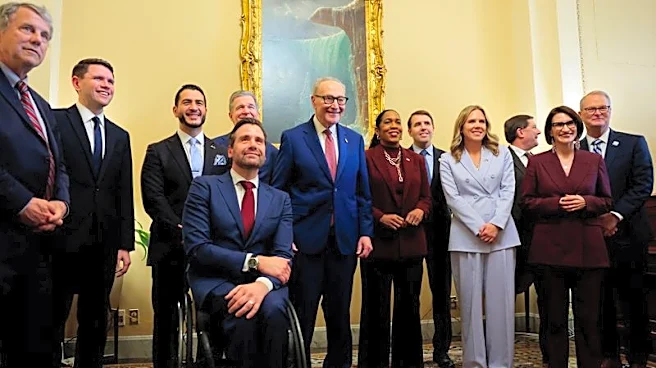
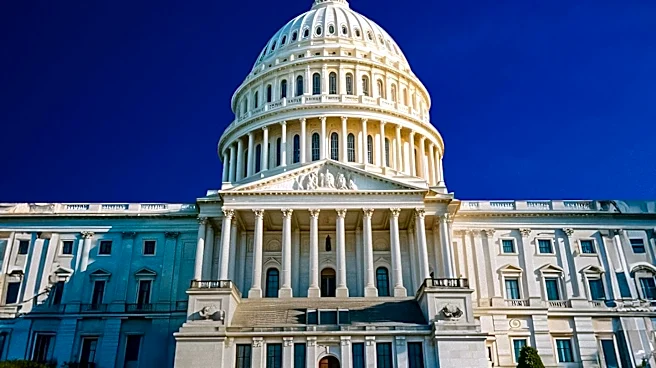
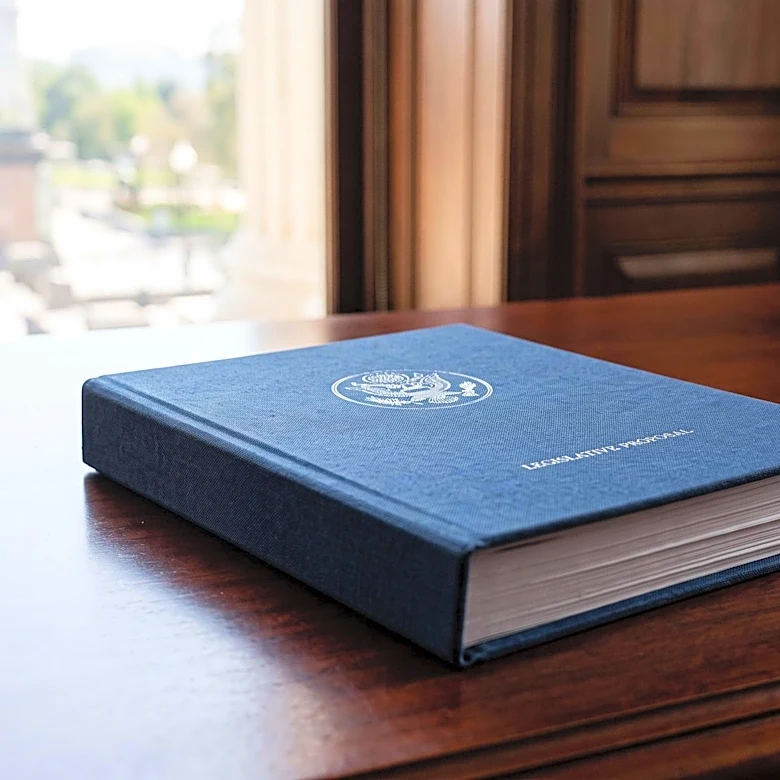
The Protect College Sports Act, a bipartisan bill co-led by U.S. Senator Maria Cantwell (D-WA) and Senator Ted Cruz (R-TX), which overwhelmingly passed the Senate on September 28 and was sent to the House on October 5, has stalled in the House of Representatives.
The bill is now considered likely to die in the current lame-duck 119th Congress. If the House does not take up the legislation before the 120th Congress convenes next year, it will automatically expire and would need to be reintroduced as new legislation, going through the entire legislative process again. Despite its strong bipartisan support in the Senate, the bill's failure to advance in the House before the midterm elections suggests it will not become law in its current form.
Why It's Important?
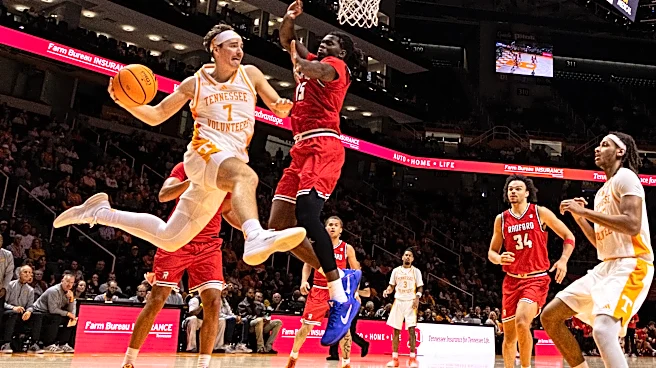
The likely demise of the Protect College Sports Act is significant for the future of college athletics in the United States. The bill aimed to establish a new framework for college sports, potentially treating athletics as an independent business unit responsible for its own revenue, broadcast rights, name, image, and likeness (NIL) operations, and athlete compensation. Its failure means that the current system, which many argue is unsustainable and inequitable, will persist without federal intervention. This outcome leaves universities and athletic conferences to navigate the complex and evolving landscape of NIL rights and athlete compensation without a unified national standard. The absence of federal legislation could lead to continued disparities, legal challenges, and a fragmented approach to college sports governance, impacting athletes, institutions, and the broader sports industry.
What's Next?
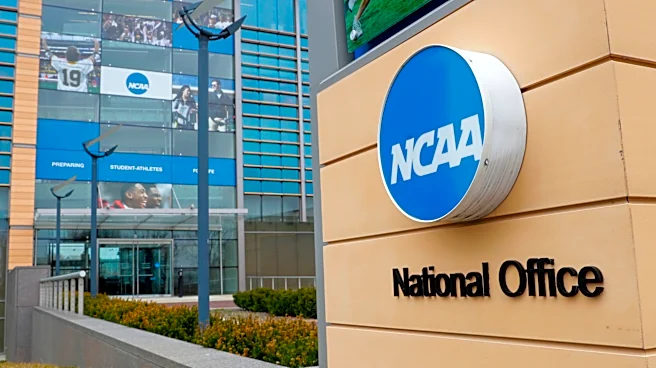
With the Protect College Sports Act likely to expire, any future federal legislation addressing college sports would need to be reintroduced in the 120th Congress. This would entail a new bill number, committee review, and passage through both the Senate and the House. The current legislative vacuum means that the NCAA, individual conferences, and states will continue to grapple with NIL rules and athlete compensation without a clear federal mandate. This could lead to further variations in regulations across states and institutions, potentially exacerbating competitive imbalances. Stakeholders in college sports, including athletes, universities, and media partners, will likely continue to advocate for federal intervention to create a more consistent and sustainable model for the industry.
Beyond the Headlines
The stalling of the Protect College Sports Act highlights the complex interplay between federal legislation, state laws, and the evolving landscape of collegiate athletics. Beyond the immediate legislative setback, its failure raises deeper questions about the economic model of college sports and the rights of student-athletes. The debate over whether athletes should be compensated as employees, and how to balance the amateur status of college sports with the commercial realities of a multi-billion dollar industry, remains unresolved. The ethical implications of NIL deals, including potential exploitation and unequal opportunities, will continue to be a focal point. The absence of a federal framework could also lead to increased legal challenges and a more fragmented regulatory environment, potentially forcing a more radical restructuring of college sports in the long term. This legislative outcome underscores the difficulty of achieving consensus on a national solution for a rapidly changing and highly lucrative sector.