
What's Happening?
Prebiotics are dietary fibers and substrates that play a crucial role in nourishing beneficial microbes and supporting microbial diversity within the gut. Unlike probiotics, which are live microorganisms,
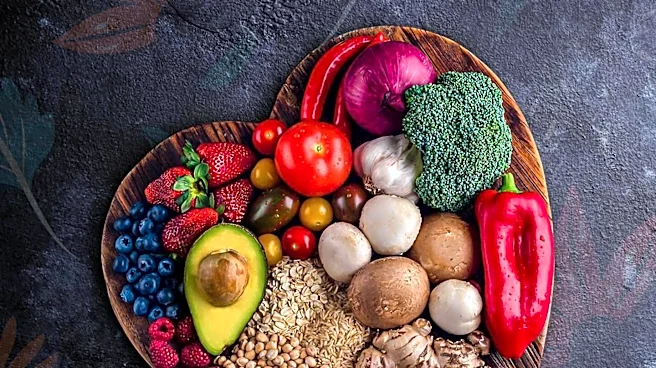
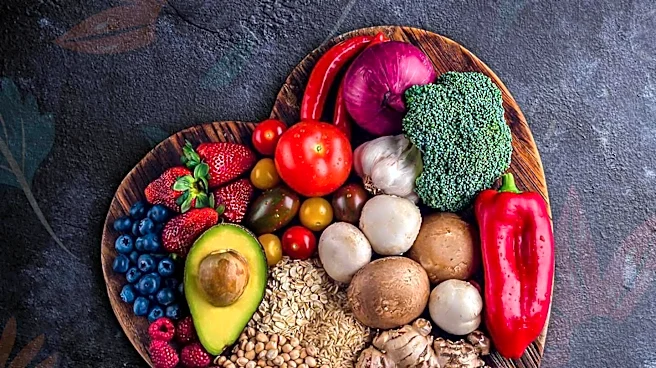
prebiotics act as food for the existing beneficial bacteria. Common food sources of prebiotics include onions, garlic, oats, and beans. The average American adult often falls short of the recommended daily fiber intake, with guidelines suggesting around 25 grams for women and 38 grams for men. This deficiency highlights the importance of incorporating diverse plant-based foods into the diet, as different plants feed different types of microbes, contributing to a more diverse gut microbiome. Supplements combining prebiotics and probiotics, known as synbiotics, are also available to help bridge nutritional gaps and provide targeted gut support.
Why It's Important?
The adequate intake of prebiotics is vital for maintaining a healthy gut microbiome, which in turn impacts overall health. A diverse gut microbiome is associated with improved digestive function, enhanced immune response, and potentially reduced risk of various health issues. When individuals do not consume enough fiber, the beneficial bacteria in their gut may not thrive, leading to an imbalance that can manifest as digestive discomforts like bloating or constipation. The emphasis on dietary variety in prebiotic sources underscores the complexity of gut health, suggesting that a broad spectrum of plant foods is more effective than relying on a few. This understanding can guide dietary recommendations and supplement development, aiming to improve public health outcomes related to gut health.
What's Next?
Individuals can improve their gut health by focusing on increasing their intake of diverse fiber-rich foods. For those struggling to meet daily fiber recommendations through diet alone, prebiotic supplements or synbiotics can offer targeted support. It is recommended to gradually increase fiber intake to allow the gut to adjust and to ensure adequate water consumption, as fiber requires water to function effectively. Further research may continue to identify specific prebiotic compounds and their precise effects on different gut microbial populations, leading to more personalized dietary and supplement recommendations. Consulting healthcare professionals is advised for persistent gut symptoms or before starting new supplement regimens.
Beyond the Headlines
The growing understanding of prebiotics and their impact on the gut microbiome points to a broader shift in how health is perceived, moving beyond simply treating symptoms to fostering a healthy internal ecosystem. This perspective highlights the interconnectedness of diet, microbial health, and overall well-being. The emphasis on dietary diversity also challenges conventional eating habits that often lack sufficient plant variety. Ethically, this knowledge encourages food industries to develop more prebiotic-rich products and for public health campaigns to educate consumers on the importance of fiber. Long-term, a greater focus on prebiotic consumption could lead to a reduction in chronic digestive issues and a general improvement in population health, underscoring the foundational role of diet in preventive medicine.