


What's Happening?
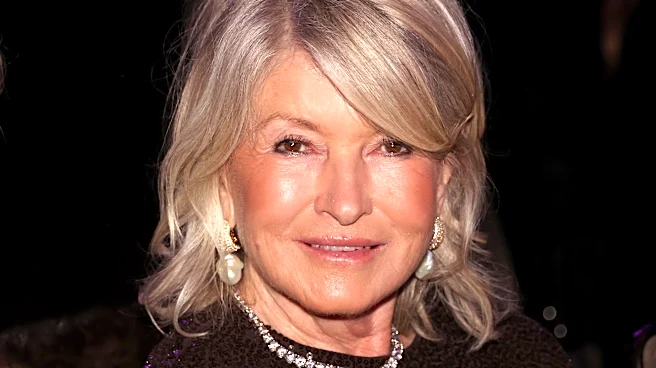
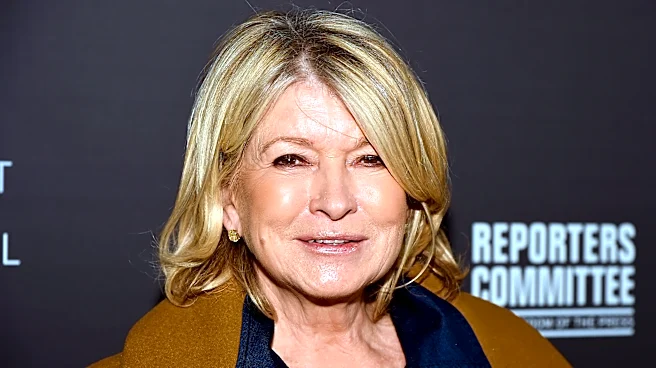
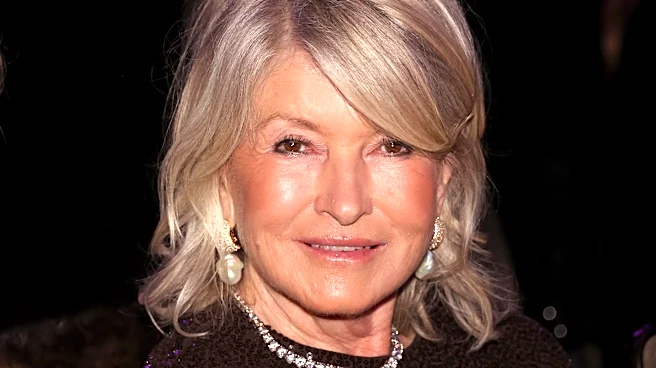
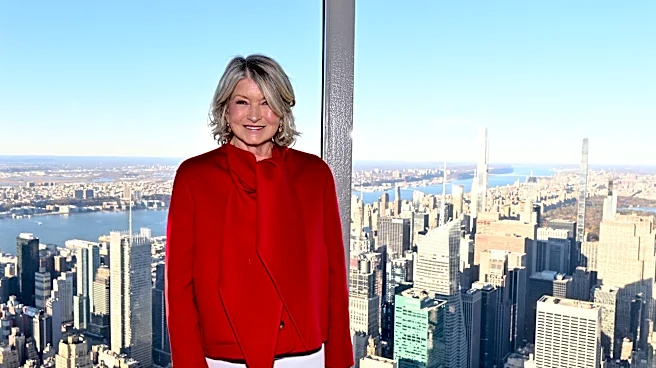
Martha Stewart recently drew attention for a typo in her Thanksgiving Facebook post, which read, 'Random s---s if good and ambiance from the Thursday/Friday celebrations!!!' This post, intended to share photos of her holiday feast, quickly became a topic
of discussion among her followers. When fans pointed out the error, Stewart responded with another post, attempting to address the criticism but inadvertently making a second spelling mistake, writing 'missellings' instead of 'misspellings.' This incident follows a previous controversy where Stewart faced backlash for her Halloween costume, in which she dressed as a homeless person. The costume, which included tattered clothing and a sign asking for food, was deemed insensitive by many. Stewart later deleted the post and issued a statement to Page Six, explaining her intention was to raise awareness about homelessness and apologizing for any offense caused. She also addressed the issue on the Today show, admitting she 'made a mistake.'
Why It's Important?
These recent social media incidents highlight the challenges public figures face in managing their online presence and the immediate scrutiny that follows any misstep. For Martha Stewart, a lifestyle mogul whose brand is built on perfection and aspirational living, these errors can impact her public image and brand perception. The Thanksgiving typo, while seemingly minor, generated significant online engagement, demonstrating how even small mistakes can become viral content. More significantly, the Halloween costume controversy underscores the importance of social sensitivity and awareness, particularly when addressing serious societal issues like homelessness. Public figures are increasingly expected to navigate complex social landscapes, and misjudgments can lead to accusations of insensitivity, potentially alienating segments of their audience and impacting their commercial endorsements or partnerships. The rapid spread of such incidents across social media platforms amplifies their impact, making careful communication crucial for maintaining a positive public persona.
What's Next?
Following these incidents, Martha Stewart will likely continue to navigate public perception, with her social media activity remaining under close observation. While she has addressed both the typo and the Halloween costume, the lingering effects of these controversies may influence her future online interactions and public statements. Her team may implement stricter content review processes for her social media posts to prevent similar errors. For her brand, Martha Stewart Living Omnimedia, maintaining a positive public image is crucial for its continued success in the lifestyle and media industries. Future public appearances or campaigns may subtly address themes of authenticity and social responsibility, aiming to rebuild trust and reinforce her commitment to positive messaging. The incidents also serve as a broader lesson for other public figures on the need for careful consideration in all forms of public communication, especially on social media platforms where content can be instantly amplified and scrutinized.
Beyond the Headlines
The incidents involving Martha Stewart delve into broader implications concerning celebrity culture, social media ethics, and the evolving nature of public discourse. The immediate and widespread reaction to both the typo and the Halloween costume illustrates the power of social media to hold public figures accountable, often in real-time. It also highlights a growing expectation for celebrities to be not only entertaining but also socially conscious and authentic. The backlash against the Halloween costume, in particular, raises questions about the appropriate ways to engage with serious social issues through creative expression, and where the line between raising awareness and causing offense lies. This ongoing dialogue shapes cultural norms around empathy and representation in media. Furthermore, the humor and criticism directed at Stewart's subsequent spelling error in her defense reflect a public fascination with the imperfections of seemingly perfect figures, offering a glimpse into the human desire for relatability and the schadenfreude often associated with celebrity mishaps.