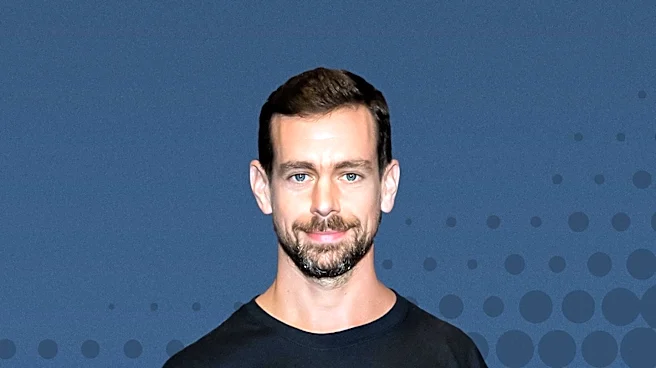

What's Happening?
Jack Dorsey, while simultaneously leading both Twitter and Square, implemented a structured time management strategy. This approach involved dedicating specific themes to each day of the week. For instance,
Mondays were designated for management-related tasks, Tuesdays for product development, and so forth. Dorsey applied this thematic scheduling to both companies, addressing one in the morning and the other in the afternoon, ensuring that the same theme was maintained across both ventures. This method allowed him to allocate focused attention to different aspects of his responsibilities for each company throughout the week. The strategy emphasizes consistency and adherence to the pre-assigned themes, even when immediate tasks might not be apparent, to prevent drifting into other activities.
Why It's Important?
This time management strategy offers a significant insight into how high-level executives manage complex roles involving multiple demanding organizations. For U.S. businesses and entrepreneurs, Dorsey's method provides a practical framework for optimizing productivity and maintaining focus amidst diverse responsibilities. The principle of thematic scheduling can help leaders avoid context-switching costs and ensure that critical areas of their businesses receive dedicated attention. This approach could particularly benefit startups and growing companies where founders often juggle multiple roles. By adopting similar structured methodologies, business leaders can potentially enhance efficiency, improve decision-making, and foster more consistent progress across their ventures, ultimately impacting their competitive edge and market performance.
What's Next?
While the source does not detail future plans for Dorsey's time management, the principle he employed remains relevant for current and aspiring leaders. The concept of thematic scheduling could be adopted by other executives or integrated into corporate training programs to improve organizational efficiency. Businesses might explore implementing similar structured approaches to daily or weekly tasks to enhance productivity and focus. The broader discussion around effective leadership and time management strategies is likely to continue, with Dorsey's example serving as a case study for managing high-pressure, multi-faceted roles in the U.S. business landscape. The emphasis on 'deep work' and aligning it with peak energy levels suggests a continued focus on personalized productivity methods.
Beyond the Headlines
Beyond the immediate practical application, Dorsey's strategy highlights a deeper cultural shift towards intentional productivity and personal optimization in the professional sphere. The idea of 'theming' one's time reflects a conscious effort to reclaim control over one's schedule and mental energy, moving beyond reactive task management. This approach has implications for employee well-being and burnout, suggesting that structured focus can lead to more sustainable work practices. Ethically, it raises questions about the demands placed on leaders in modern corporations and how individuals can maintain effectiveness without sacrificing personal life. The emphasis on 'deep work' also underscores the value of concentrated effort in an increasingly distracted world, potentially influencing how U.S. companies design workflows and foster environments conducive to focused intellectual output.