


What's Happening?
Small businesses across the U.S. are demonstrating resilience in the face of economic challenges, including tariffs, high interest rates, and geopolitical tensions. According to Guy Berger, a macroeconomist at Homebase, small business sentiment has fluctuated
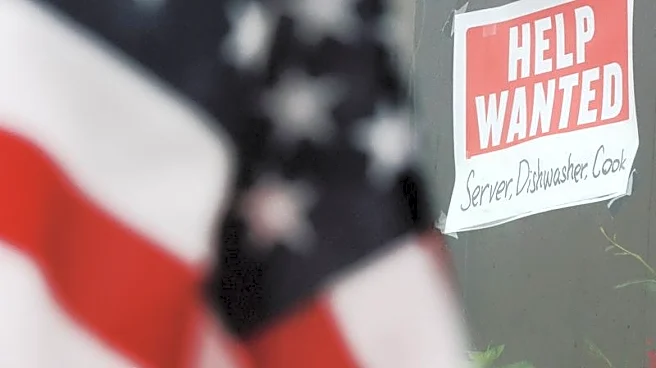
over the past year, but many have adapted to the current economic environment. Despite these challenges, consumer spending remains robust, providing some relief to small businesses. However, issues such as rising wages, immigration policies, and energy costs continue to pose significant hurdles. The labor market is experiencing shifts, with increased employee turnover and a slight shift in bargaining power towards employees.
Why It's Important?
Small businesses are a critical component of the U.S. economy, contributing significantly to job creation and economic growth. The ability of these businesses to adapt to economic challenges is crucial for maintaining economic stability. The current environment highlights the need for supportive policies that address the specific challenges faced by small businesses, such as access to affordable credit and a stable regulatory environment. The ongoing economic pressures could lead to increased business closures if conditions worsen, impacting employment and local economies.
What's Next?
As small businesses continue to navigate these challenges, there is a need for policy interventions that can alleviate some of the pressures they face. This includes potential adjustments to tariffs, interest rates, and immigration policies. Additionally, businesses may need to explore new strategies for managing costs and retaining employees. The economic outlook for small businesses will depend on the broader economic environment and the effectiveness of policy responses to current challenges.