


What's Happening?
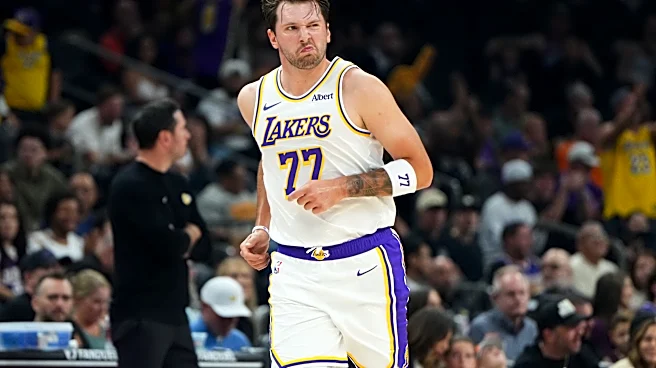
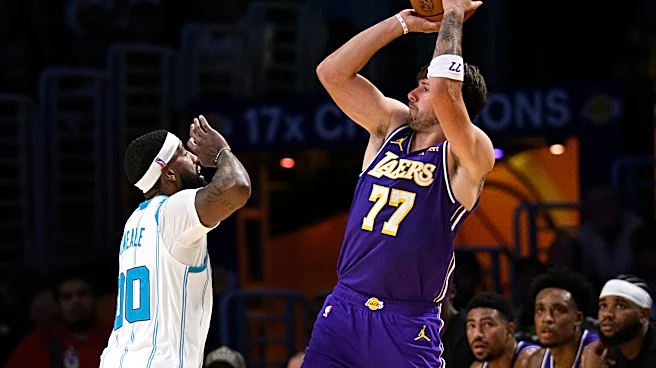
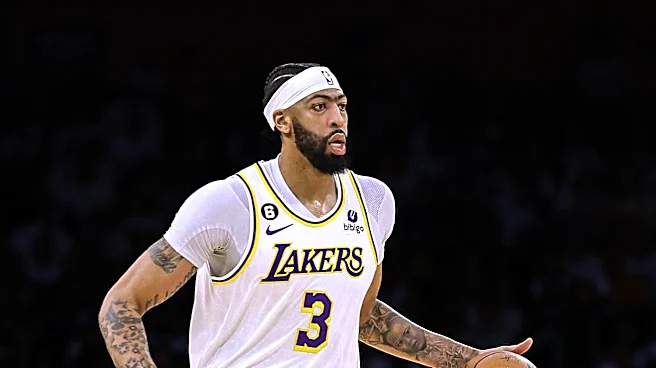
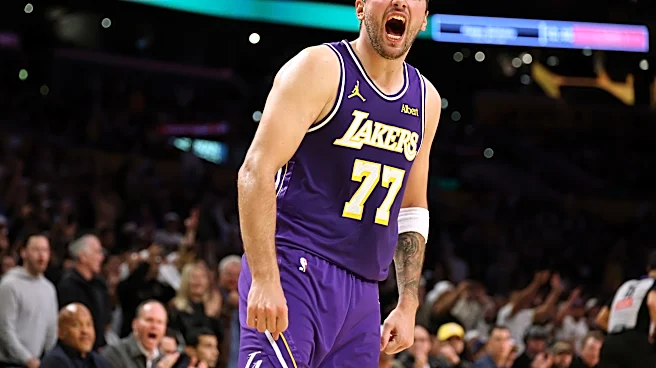
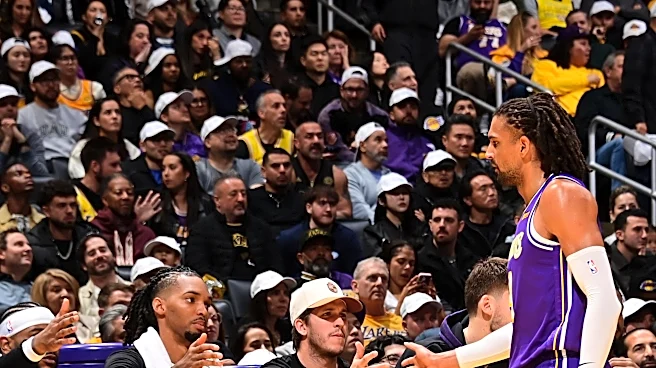
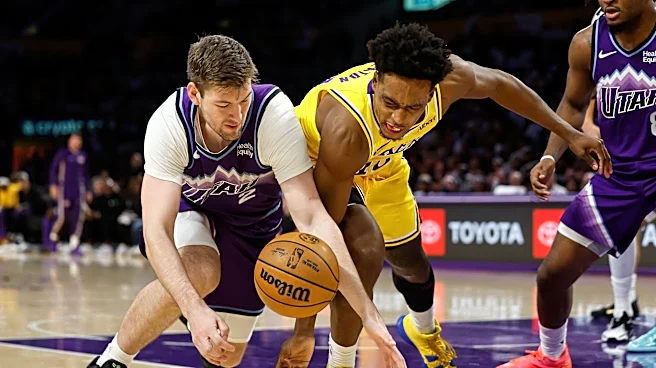
The Los Angeles Lakers are experiencing their most successful season start in years, securing 13 wins out of their first 16 games. This performance places them in a tie with the San Antonio Spurs for the top seed in the Western Conference. Despite this
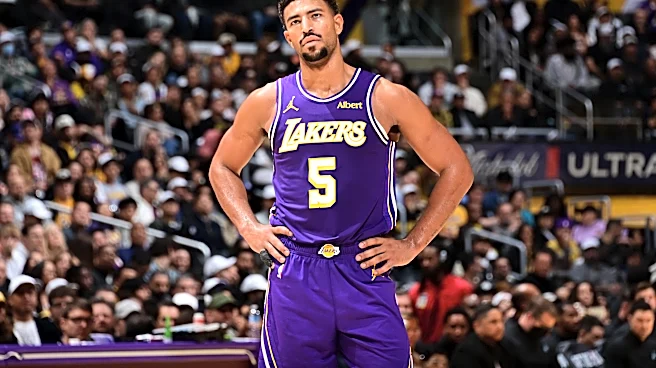
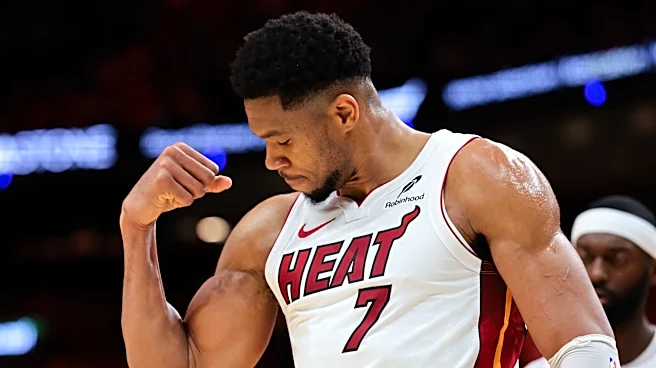
promising beginning, General Manager Rob Pelinka is actively looking to address roster deficiencies before the February trade deadline. The primary focus for the Lakers' front office is to acquire a backup center. While there has been past speculation regarding a trade for New Orleans Pelicans forward Herb Jones, current analysis suggests that adding a big man is a more pressing need. According to Lake Show Life's Svyatoslav Rovenchuk, Jones's role and offensive production have been underwhelming, and his contract is set to increase, potentially lowering his trade value. However, the Lakers' current wing players, including Matisse Thybulle, Ziaire Williams, Jake LaRavia, and Quentin Grimes, have demonstrated sufficient dependability, making a wing acquisition less urgent. The Athletic's Dan Woike has also reported that the team is exploring the market for a center.
Why It's Important?
The Lakers' strategic decision to prioritize a backup center highlights a critical aspect of NBA team building: addressing specific roster weaknesses even during periods of success. A strong start to the season can mask underlying issues, but a deep playoff run often requires a complete and balanced roster. By focusing on a center, the Lakers aim to solidify their frontcourt, which is crucial for rebounding, interior defense, and providing a consistent presence in the paint. This move could significantly impact their competitiveness against other top-tier teams, particularly those with dominant big men. The decision to de-emphasize a wing acquisition, despite previous interest in players like Herb Jones, indicates a clear assessment of the current roster's strengths and weaknesses. It suggests that the team believes its existing wing depth is sufficient, allowing them to allocate valuable trade assets to a more critical position. This strategic allocation of resources could determine their long-term success in the current season and beyond, influencing their standing in the highly competitive Western Conference.
What's Next?
The Lakers are expected to intensify their search for a backup center as the NBA trade deadline approaches in February. General Manager Rob Pelinka will be evaluating potential trade targets to find a player who can complement Walker Kessler and strengthen the team's frontcourt. This process will involve assessing available players, their contract situations, and the assets the Lakers are willing to part with. The team will need to weigh the cost of acquiring a center against the potential benefits to their championship aspirations. While a trade for Herb Jones is considered less likely now, the Lakers may still explore other opportunities if they can secure a center first. The success of their trade deadline moves will be closely watched by fans and analysts, as it could significantly impact their performance in the latter half of the season and their playoff seeding. The team's ability to effectively address this roster hole will be a key factor in their pursuit of an NBA championship.
Beyond the Headlines
The Lakers' current approach reflects a broader trend in professional sports where successful teams continuously seek marginal gains to maintain their competitive edge. Even with a strong record, the pursuit of a backup center demonstrates a commitment to optimizing every aspect of the roster. This strategic foresight can prevent potential vulnerabilities from being exploited in high-stakes playoff scenarios. Furthermore, the shift in priority from a wing player to a center, despite previous long-standing interest in the former, illustrates the dynamic nature of team needs and market conditions in the NBA. Player performance, contract situations, and the emergence of other players on the roster can quickly alter a team's strategic objectives. This adaptability is crucial for sustained success in a league where rosters and competitive landscapes are constantly evolving. The Lakers' actions will serve as a case study for how even top-performing teams must remain agile and responsive to their evolving needs.