




What's Happening?
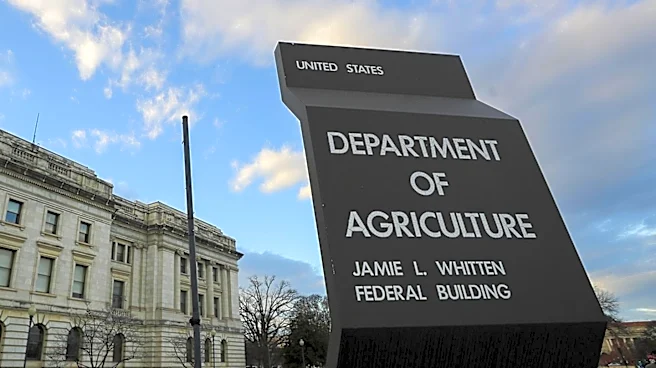
U.S. Secretary of Agriculture Brooke Rollins recently reported significant progress on deals that could substantially increase U.S. ethanol exports to Mexico and Brazil. According to the USDA, an initial deal with Mexico to open its market to U.S. ethanol was
reached on October 26, representing a potential $1.5 billion market opportunity and a 32% increase in exports. Secretary Rollins has been directly involved in discussions with Mexican President Claudia Sheinbaum and her team. This announcement follows earlier discussions in August between Mexican officials and Luke Lindberg, then-Under Secretary of Agriculture for Trade and Foreign Agricultural Affairs, alongside U.S. grains and renewable fuels industry representatives. Additionally, Brazil is anticipated to resume imports of U.S. ethanol through the port of Suape in Pernambuco state by January 2027, driven by seasonal market conditions making U.S. supplies more competitive. The USDA projects ethanol export values to reach $5.4 billion in fiscal year 2026 and further increase to $5.5 billion in fiscal year 2027.
Why It's Important?
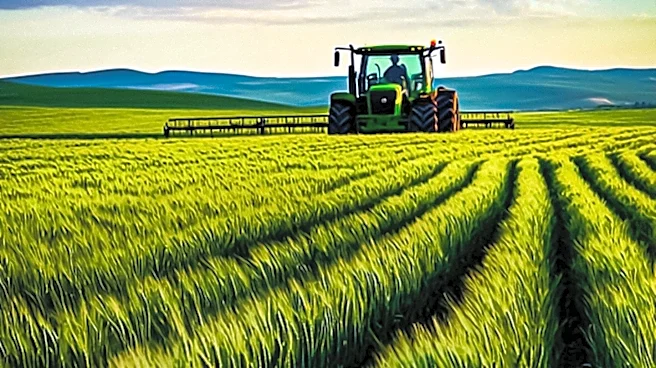
These developments are crucial for the U.S. agricultural sector, particularly for corn farmers and the ethanol industry. The opening of the Mexican market and the potential resumption of Brazilian imports could provide a significant boost to demand for U.S. ethanol, leading to increased production and potentially higher prices for corn. This expansion of export markets helps diversify destinations for U.S. agricultural products, reducing reliance on any single market and enhancing overall market stability. For the renewable fuels industry, increased exports translate to greater capacity utilization and economic growth. Furthermore, these trade agreements underscore the U.S. commitment to promoting renewable energy sources globally, aligning with broader climate and energy policy goals. The economic benefits could extend to rural communities involved in corn production and ethanol processing, supporting jobs and local economies.
What's Next?
For the Mexico deal, the U.S. Department of Agriculture anticipates collaborating with Mexico on the necessary steps for implementation in the coming months. This will likely involve technical discussions and regulatory adjustments to facilitate the flow of U.S. ethanol into the Mexican market. For Brazil, the anticipated resumption of imports in early 2027 will depend on market dynamics and the continued competitiveness of U.S. ethanol. Industry stakeholders, including the U.S. Grains Council, the Renewable Fuels Association, and Growth Energy, will continue to monitor these markets and advocate for favorable trade conditions. The USDA will also likely continue to update its forecasts for ethanol export values as these deals progress and market conditions evolve. These developments could also encourage other countries to consider increasing their ethanol imports, further expanding global demand for U.S. renewable fuels.
Beyond the Headlines
The push for increased ethanol exports reflects a broader strategy to leverage U.S. agricultural output for both economic gain and environmental objectives. By expanding markets for ethanol, the U.S. is not only supporting its agricultural sector but also promoting a cleaner-burning fuel alternative internationally. This could have long-term implications for global energy markets, potentially shifting demand away from fossil fuels in certain sectors. However, it also raises questions about the environmental impact of increased corn production, including land use, water consumption, and fertilizer use. The success of these deals could also influence future trade negotiations, demonstrating the potential for agricultural commodities to serve as key components of bilateral economic relationships. The strategic importance of renewable fuels in international trade is likely to grow, with ethanol playing a significant role in the transition to a more sustainable energy landscape.