




What's Happening?
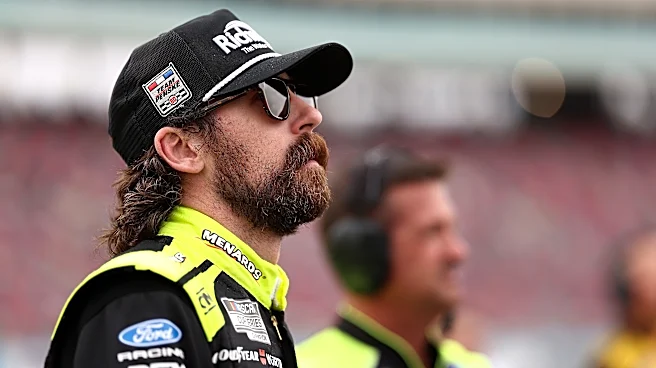
Kenny Wallace, a prominent insider, has criticized NASCAR's marketing strategy, alleging that the organization initially removed veteran driver Justin Allgaier from promotional materials despite his consistent performance, only to reinstate him after
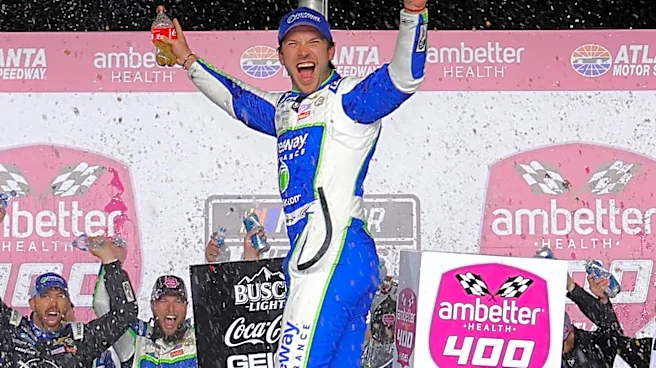
his recent championship win. Allgaier, at 40, secured his second O’Reilly Auto Parts Series title in three years, a rare achievement for a driver of his age in the current era. Wallace's critique centers on what he perceives as NASCAR's long-standing emphasis on promoting younger drivers and future stars, often at the expense of seasoned veterans who continue to achieve significant results. While NASCAR has not publicly confirmed a deliberate decision to exclude Allgaier, Wallace's observations highlight a perceived bias in the sport's promotional efforts. This situation brings to light the ongoing debate within NASCAR regarding how to balance the promotion of emerging talent with the recognition of established champions.
Why It's Important?
This discussion is important for NASCAR as it directly impacts fan engagement, driver morale, and the sport's overall image. An overemphasis on youth could alienate a significant portion of the fanbase that appreciates veteran drivers and their consistent performance. If veteran drivers feel overlooked, it could affect their willingness to remain in the sport or their public perception, potentially impacting sponsorship opportunities and team stability. For NASCAR, maintaining a diverse appeal that celebrates both rising stars and enduring champions is crucial for sustained growth and viewership. The perceived neglect of a successful veteran like Allgaier, especially given his championship, could lead to questions about the fairness and strategic foresight of NASCAR's marketing department, potentially affecting its credibility among fans and stakeholders.
What's Next?
NASCAR may face increased scrutiny regarding its marketing and promotional strategies, particularly concerning how it balances the spotlight between emerging talent and established veterans. While there's no immediate indication of a policy change, the public discourse initiated by Wallace's comments could prompt internal discussions within NASCAR's marketing department. Future promotional campaigns will likely be observed more closely to see if there's a shift towards more inclusive representation of drivers across different career stages. The success of veteran drivers like Allgaier may also encourage teams and sponsors to continue investing in experienced talent, potentially influencing driver development programs and contractual agreements within the sport. The ongoing challenge for NASCAR will be to craft a marketing narrative that resonates with a broad audience while celebrating the achievements of all its competitors.
Beyond the Headlines
The debate surrounding NASCAR's marketing strategy touches upon broader themes of ageism and the value placed on experience versus youth in competitive fields. In a society often obsessed with newness and the next big thing, the story of Justin Allgaier serves as a reminder of the enduring power of consistency, dedication, and veteran skill. This situation could spark a wider conversation within sports marketing about the long-term implications of prioritizing youth over proven performance. It also highlights the influence of prominent figures like Dale Earnhardt Jr., whose association with Allgaier's team may have played a role in the eventual recognition of the driver. The incident underscores the complex interplay between athletic achievement, public perception, and strategic marketing in professional sports.