
What's Happening?
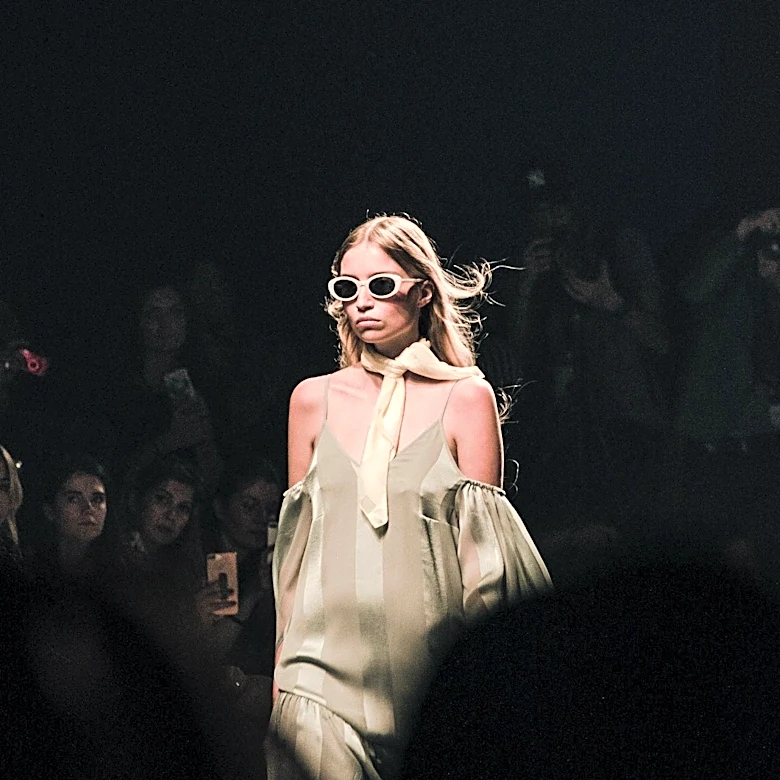
Fashion Week Online has published a guide on mastering effortless organic layering, drawing insights from runway shows and street style observations across major fashion capitals. The article highlights that while runway layering is designed for controlled
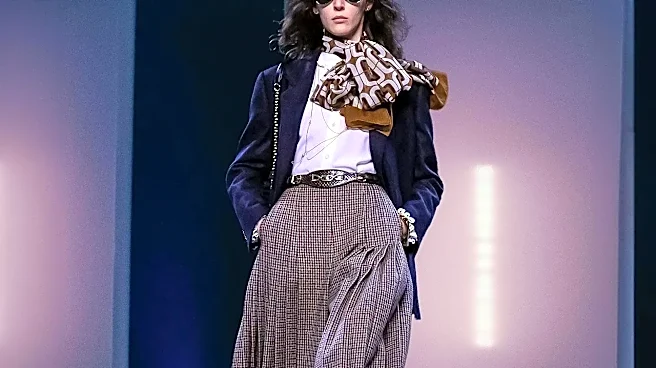
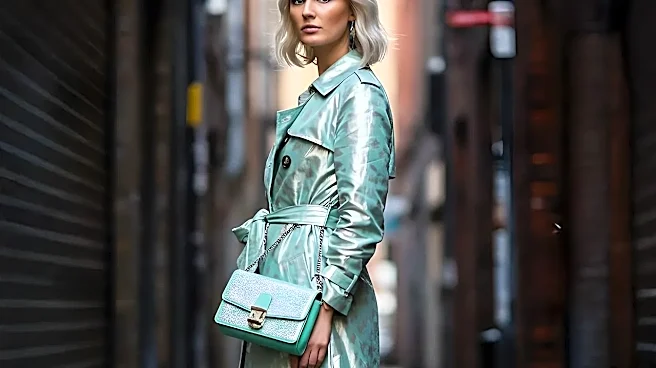
environments, street style requires adaptability to real-world conditions. It notes distinct layering approaches in different cities: Paris favors thin, cohesive layers that move as one piece; Milan emphasizes substantial weight and finish with dense knitwear and wool coats; New York balances utility with style, suitable for varied weather and walking between venues; and London maintains a looser approach. The guide stresses that effective layering commits to a single idea about weight and texture. It advises using contrasting textures, such as leather, ribbed cotton, and brushed wool, to create visual interest. Additionally, it suggests incorporating one soft, light-catching element near the face, like a pearl necklace, to prevent heavy layering from appearing too severe. Proportion is also deemed crucial, with voluminous tops paired with narrow bottoms and careful attention to hem placement to ensure a deliberate silhouette.
Why It's Important?
This analysis from Fashion Week Online is important for the U.S. fashion industry and consumers as it demystifies the art of layering, a fundamental aspect of personal style and seasonal dressing. For U.S. retailers and brands, understanding these principles can inform product development and merchandising strategies, ensuring that collections offer versatile pieces that can be easily layered by consumers. The emphasis on contrasting textures and thoughtful proportions can guide designers in creating garments that work well together, enhancing the perceived value and utility of their offerings. For consumers, the guide provides practical, actionable advice that can help them maximize their existing wardrobes and make more informed purchasing decisions. By breaking down the 'working logic' behind successful layered looks, it empowers individuals to create stylish and functional outfits for various weather conditions and occasions, moving beyond simply following trends. This focus on practical application and timeless techniques can foster a more sustainable approach to fashion by encouraging consumers to invest in versatile pieces rather than constantly chasing fleeting trends.
What's Next?
The insights provided by Fashion Week Online are likely to influence how U.S. fashion enthusiasts approach their personal styling and how brands design their collections. Consumers may increasingly focus on acquiring pieces that offer textural contrast and can be easily integrated into layered outfits. Retailers might see a demand for versatile garments that lend themselves well to layering, such as tissue-weight turtlenecks, substantial knitwear, and well-structured outerwear. Fashion publications and stylists in the U.S. are expected to echo these principles, further educating the public on effective layering techniques. This could lead to a more sophisticated and intentional approach to dressing, where individuals prioritize the interplay of weight, texture, and proportion over simply accumulating trendy items. Brands that successfully incorporate these principles into their designs and marketing will likely resonate more with a discerning consumer base looking for both style and practicality in their wardrobes.
Beyond the Headlines
Beyond the immediate practical applications, the discussion of layering techniques by Fashion Week Online touches upon deeper aspects of fashion as a form of self-expression and adaptation. The varying approaches to layering across different fashion capitals reflect distinct cultural attitudes towards climate, comfort, and aesthetic presentation. In the U.S., where climates can vary dramatically, the ability to layer effectively is not just a style choice but a practical necessity. The article subtly highlights the ethical dimension of fashion by encouraging consumers to build outfits from existing wardrobes and focus on timeless techniques rather than constant consumption. This promotes a more mindful and sustainable approach to fashion, reducing the pressure to buy new items every season. Furthermore, the concept of 'effortless' style, while seemingly simple, often involves a nuanced understanding of design principles, suggesting that true style is cultivated through knowledge and intentionality rather than just following trends. This perspective elevates fashion from mere clothing to a thoughtful art form, where each layer contributes to a cohesive and expressive personal narrative.