



What's Happening?
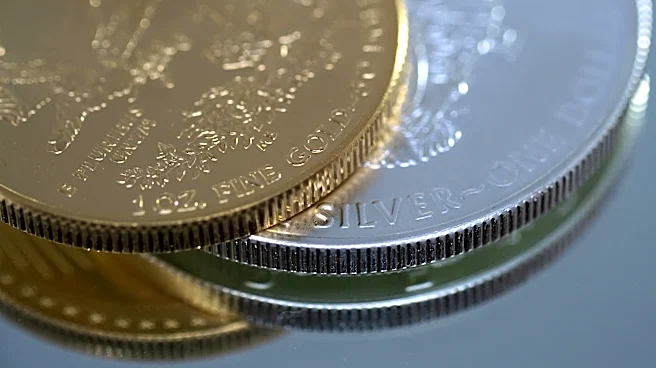
Gold and silver prices have recently experienced a significant drop, with gold falling to a new 2026 low and silver correcting approximately 60% from its record high. This decline is largely attributed to a strengthening US dollar, which has been bolstered
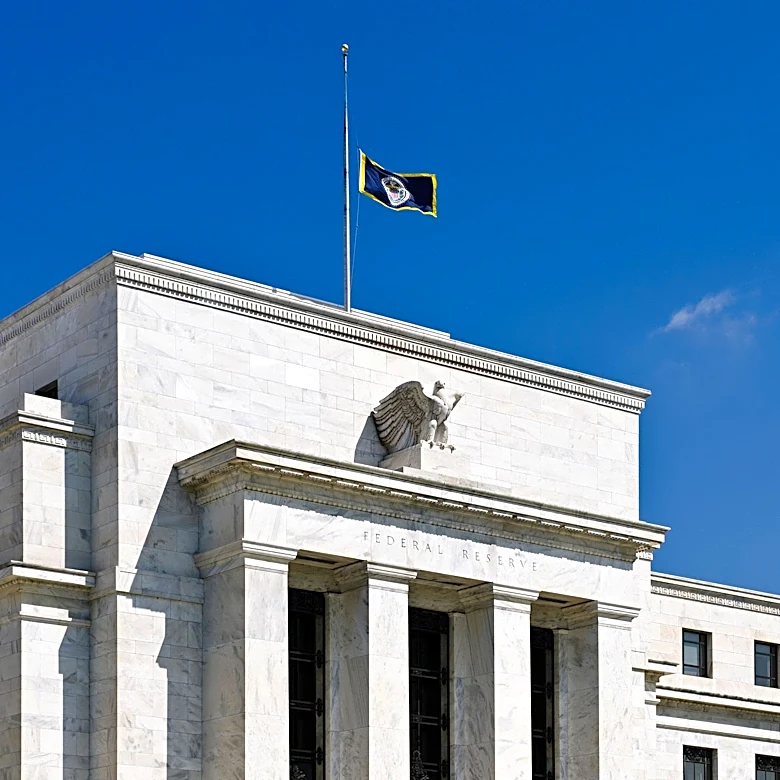
by hawkish commentary from the Federal Reserve and a hotter-than-expected US inflation report. These factors make non-yielding precious metals less attractive to investors. Geopolitical optimism regarding a potential agreement between Washington and Tehran has also reduced safe-haven demand for gold. Despite these headwinds, some analysts point to historical seasonal trends, with November through January typically being stronger periods for gold, as a potential factor for recovery. However, the immediate outlook remains challenging, with technical analysis indicating a continued downward path for gold unless key resistance levels are reclaimed. Silver has also broken below a significant long-term support level of $50, raising concerns about its near-term trajectory.
Why It's Important?
The current downturn in gold and silver prices has significant implications for investors and the broader financial markets. A strong US dollar and rising interest rate expectations increase the opportunity cost of holding non-yielding assets like precious metals, potentially diverting investment capital towards other assets. This shift can impact portfolio diversification strategies, especially for those who rely on gold and silver as hedges against inflation or economic uncertainty. The reduced safe-haven demand, partly due to geopolitical developments, suggests a perceived decrease in global risk, which could influence broader market sentiment. For the mining industry, sustained lower prices could affect profitability and future investment decisions. The debate among analysts regarding the long-term bullish case versus immediate bearish pressures highlights the uncertainty in the precious metals market, requiring investors to carefully assess macroeconomic factors and technical indicators before making investment decisions.
What's Next?
The immediate future for gold and silver prices will largely depend on the trajectory of the US dollar and evolving interest rate expectations from the Federal Reserve. Any further hawkish signals or stronger-than-expected inflation data could continue to pressure precious metals. Conversely, a weakening dollar or a shift towards a more dovish stance by the Fed could provide some relief. Investors will be closely watching key technical levels for both gold and silver; for gold, a sustained move back above the $3,942–$4,000 zone and then $4,106–$4,150 would signal a potential reversal. For silver, reclaiming the $50 level and moving above $51.95 and $54.77 are crucial for re-establishing a bullish trend. The influence of seasonal buying patterns from November through January will also be a factor to monitor, though macroeconomic forces are expected to have a more dominant impact. The market will also assess any further developments in geopolitical tensions, as a resurgence could reignite safe-haven demand.
Beyond the Headlines
Beyond the immediate price fluctuations, the current environment for gold and silver reflects a broader recalibration of investor sentiment in response to global economic shifts. The strength of the US dollar, driven by domestic economic data and monetary policy, underscores the dollar's enduring role as a global reserve currency and its impact on commodity markets. The reduced demand for safe-haven assets could indicate a perceived stabilization of geopolitical risks, or it could signal a shift in how investors hedge against uncertainty, perhaps favoring other asset classes. The long-term bullish arguments for precious metals, often rooted in concerns about sovereign debt, currency debasement, and persistent geopolitical instability, are being tested by short-term macroeconomic realities. This period could lead to a re-evaluation of the traditional role of gold and silver in investment portfolios, prompting a deeper look into their correlation with other assets during periods of high interest rates and strong economic growth in the US.