




What's Happening?
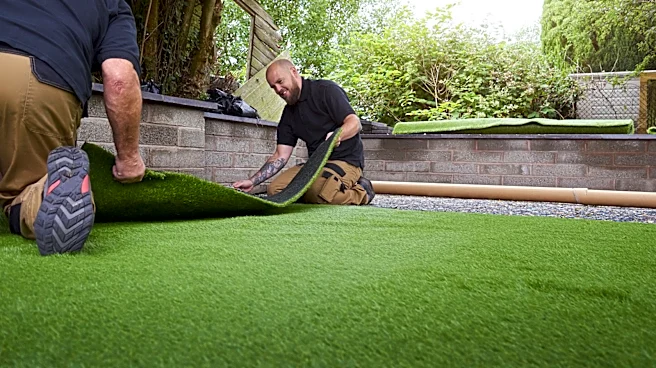
NPR's Life Kit podcast highlights the growing trend of replacing traditional lawns with native plant gardens to reduce environmental impact. The report emphasizes that lawns contribute to air and water pollution due to the need for watering, mowing, and the use
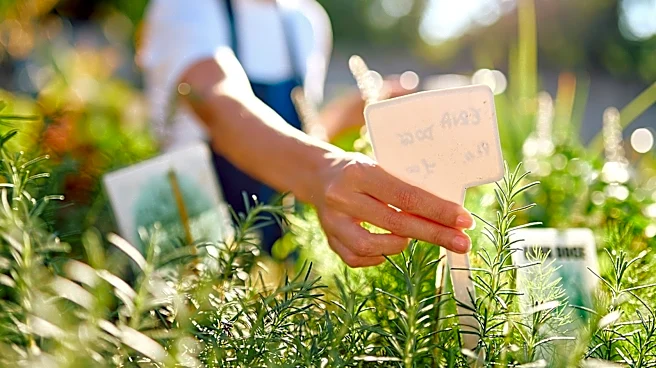
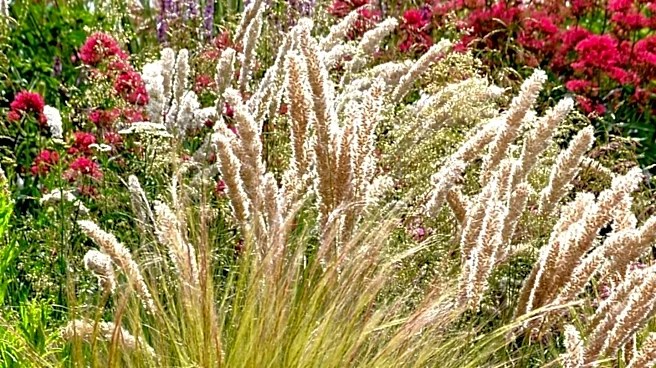
of fertilizers and weed killers. Native plant gardens, on the other hand, require less maintenance over time and support local wildlife. Master gardener Paula Diaz advocates for converting half of lawn spaces to native plants, which could create vast wildlife habitats. The initiative is supported by Doug Tallamy, a bug scientist, who suggests that such conversions could significantly benefit declining bird and butterfly populations. The process involves selecting suitable plants, adding mulch, and managing weeds, with initial care required during the early growth stages.
Why It's Important?
The shift from traditional lawns to native plant gardens represents a significant environmental and ecological benefit. By reducing the need for chemical treatments and excessive watering, native gardens help decrease pollution and conserve water resources. Additionally, they provide essential habitats for local wildlife, contributing to biodiversity and ecological balance. This approach aligns with broader environmental goals of reducing human impact on natural ecosystems. The movement also reflects a growing awareness and responsibility among homeowners to contribute positively to environmental conservation efforts.