




What's Happening?
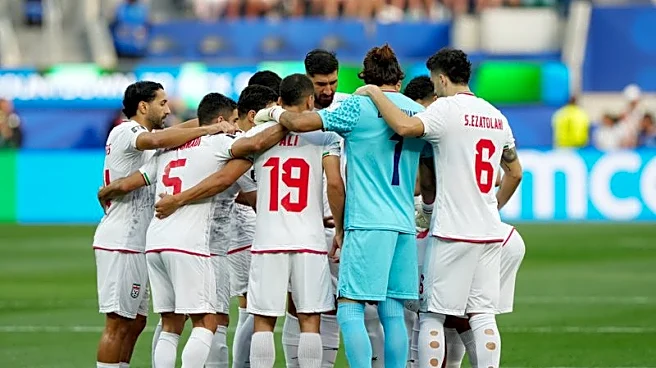
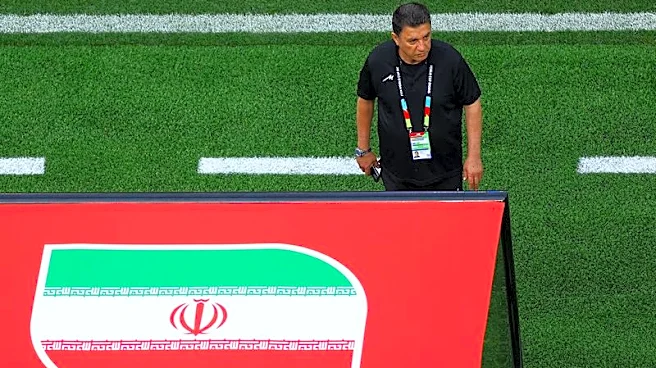
The Iranian national soccer team is experiencing significant travel restrictions during the World Cup, which is affecting their performance and preparation. Originally scheduled to be based in Tucson, Arizona, the team was relocated to Tijuana, Mexico,
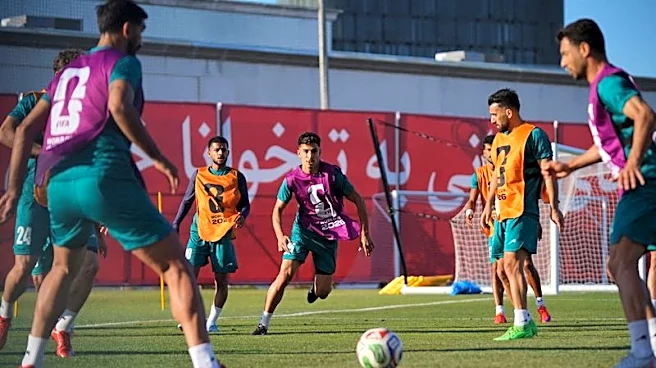
due to U.S. government-imposed travel restrictions. This change has forced the team to minimize their time in the U.S., despite playing all their group stage matches there. The team's travel from Tijuana to Los Angeles, which should have been a short flight, was extended to five hours due to customs and border checks. These disruptions have impacted their pre- and post-match routines, crucial for player performance and fitness. The team expressed frustration over these conditions, describing the situation as a 'disaster' and unfair, as they are unable to prepare adequately for their matches.
Why It's Important?
The travel restrictions imposed on the Iranian team highlight the intersection of sports and international politics, particularly in the context of U.S.-Iran relations. These restrictions could potentially affect the team's performance, impacting their chances in the World Cup. The situation underscores the broader implications of geopolitical tensions on international sporting events, where athletes may face challenges beyond the field. The Iranian team's experience may also influence public perception and diplomatic relations, as sports often serve as a platform for international engagement and cultural exchange. The restrictions could lead to discussions about the fairness and inclusivity of international competitions, especially when political issues interfere with sports.
What's Next?
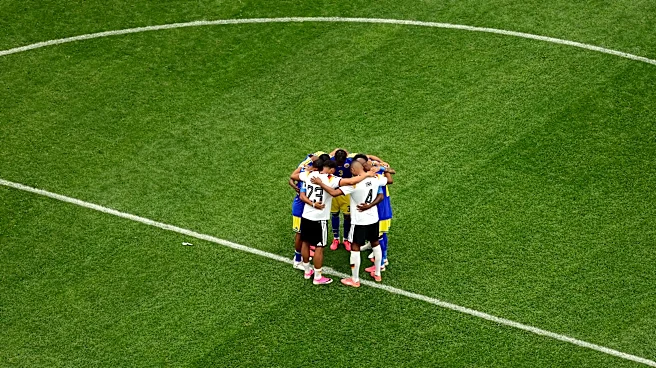
The Iranian team is scheduled to continue their World Cup campaign with upcoming matches against Belgium and Egypt. The team hopes for improved conditions and support from FIFA, as promised by FIFA President Gianni Infantino, who visited the team after their match. The situation may prompt further dialogue between FIFA and the U.S. government to address the travel challenges faced by the team. Additionally, the Iranian team and their supporters will likely continue to navigate the complexities of competing under these conditions, while striving to focus on their performance and bring joy to their fans.
Beyond the Headlines
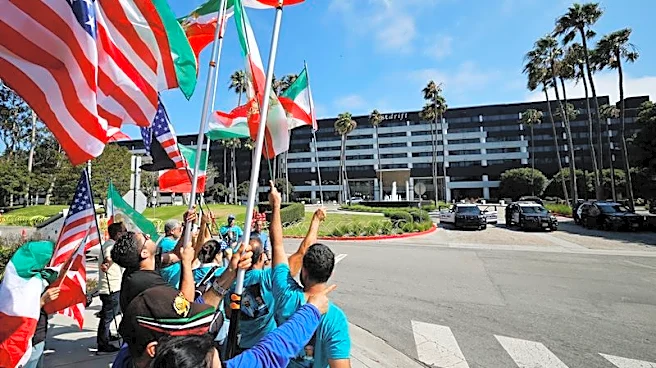
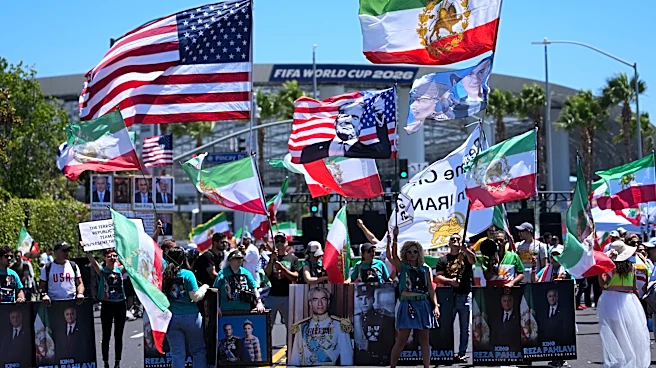
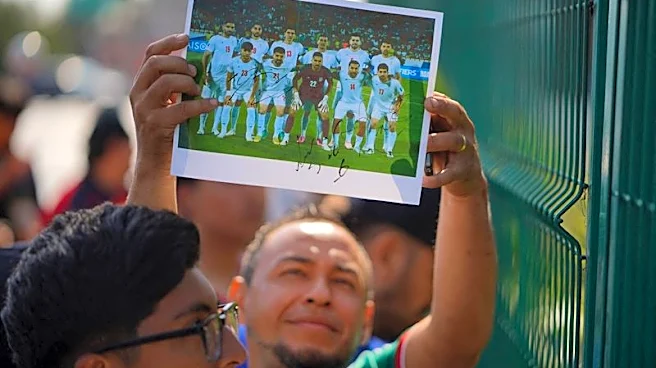
The travel restrictions faced by the Iranian team may have deeper implications for the role of sports in diplomacy and international relations. The situation highlights the potential for sports to be used as a tool for political expression and the challenges that arise when political tensions spill over into international competitions. The presence of Iranian fans in the U.S., particularly in Los Angeles, which has a large Iranian community, also reflects the cultural and social dimensions of the World Cup. The event serves as a reminder of the power of sports to unite diverse communities, even amidst political challenges.