



What's Happening?
Selena Gomez is reportedly earning more than $1 million per episode for her role in the series 'Only Murders in the Building,' which is heading into its sixth season. This places her among Hollywood's highest-paid television stars, alongside actors like
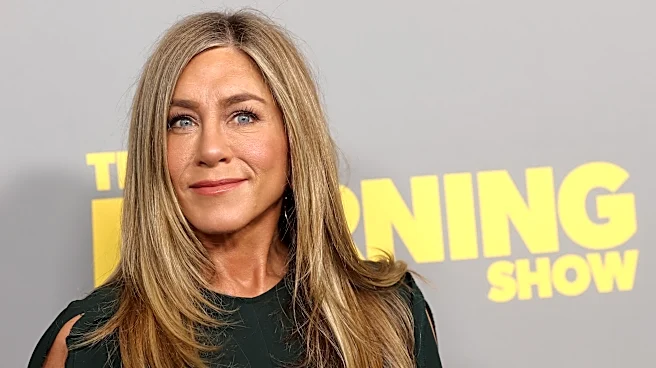
Zendaya, Nicolas Cage, Jennifer Aniston, Reese Witherspoon, and Sylvester Stallone. According to a report published by Variety on November 12, leading actors continue to command substantial salaries for television roles despite a slowdown in original series production. The streaming boom that once fueled a surge in television spending has eased, but platforms and networks are still competing for familiar names who can attract viewers. Industry insiders note that securing established stars to lead a series has become increasingly important, with some earning over $2 million per episode. Jennifer Garner has also reportedly crossed the $1 million mark for Peacock's upcoming series 'The Five-Star Weekend.'
Why It's Important?
The continued high salaries for top-tier actors like Selena Gomez highlight a significant trend in the U.S. entertainment industry: the increasing value placed on established star power in the competitive streaming landscape. Even as the overall streaming boom moderates, the demand for recognizable faces to anchor television shows remains strong. This benefits a select group of A-list actors who can command substantial fees, often exceeding $1 million per episode, and sometimes even $2 million. This trend suggests that platforms are prioritizing audience acquisition and retention through celebrity appeal, potentially at the expense of mid-level actors who are finding fewer opportunities compared to the traditional broadcast era. The shift towards shorter seasons also makes television more attractive to established film actors, allowing them to take on projects without the long-term commitment of traditional 22-episode seasons, further concentrating high-paying roles among a smaller pool of talent.
What's Next?
The trend of high salaries for leading television stars is expected to continue as streaming platforms and networks vie for viewership. Industry experts anticipate that the need for stars to anchor television shows will remain paramount. This could lead to further consolidation of high-paying roles among a limited number of top actors, potentially widening the pay gap within the acting profession. Studios and networks may also continue to adapt contract arrangements, allowing actors to work on multiple projects due to shorter season commitments. Platforms like Apple, HBO, Amazon, Peacock, and Paramount+ are likely to remain competitive in offering substantial deals to attract high-profile talent, while others like Disney and FX might continue to focus on different strategies, such as project material over star power. The impact of California's prohibition on using an actor's previous salary as a basis for negotiation may also continue to influence pay parity, particularly for women and minority performers.
Beyond the Headlines
The phenomenon of multi-million dollar per-episode salaries for stars like Selena Gomez reflects a deeper shift in the economics of content creation and consumption. In an era of abundant streaming options, star power acts as a crucial differentiator, drawing initial viewership and generating buzz. This reliance on established names can create a 'winner-take-all' market, where a few highly visible individuals capture a disproportionate share of industry resources. Ethically, this raises questions about equity and opportunity within the entertainment industry, particularly for emerging talent or those without a pre-existing global fanbase. Legally, the evolving contract structures and the impact of regulations like California's 'actor's quote' prohibition are reshaping how talent is valued and compensated. Culturally, the emphasis on celebrity-driven content may influence audience expectations and the types of stories that get greenlit, potentially favoring projects that can secure a marquee name over those with innovative narratives but less star appeal.