



What's Happening?
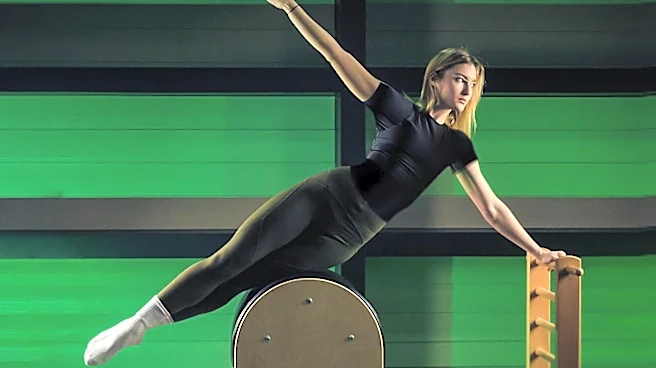
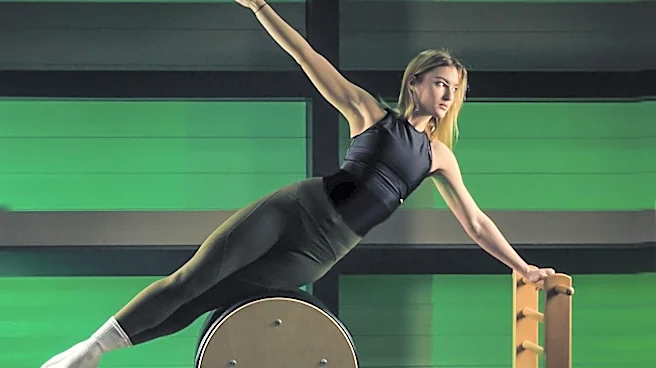
Reformer Pilates, a fitness method utilizing a specialized machine with adjustable spring resistance, is gaining recognition for its ability to counteract the negative effects of prolonged sitting. According to fitness experts like Ellen Nalaboff, a Pilates master
teacher, the reformer allows for a full range of motion, strengthening muscles that support better alignment and improving overall body awareness. The machine's springs provide resistance and support, making it adaptable for individuals with varying strength levels and physical conditions. Many desk workers experience issues such as tight hips, rounded shoulders, and reduced spinal mobility, which Reformer Pilates aims to address by engaging deep abdominal muscles, stabilizing shoulders, and strengthening the posterior chain. Participants often report improvements in back and neck pain, increased core strength, and better posture awareness, contributing to a feeling of standing taller and moving more comfortably throughout the day.
Why It's Important?
The increasing prevalence of sedentary desk jobs in the U.S. workforce has led to a rise in musculoskeletal issues, chronic pain, and other health concerns related to prolonged sitting. Reformer Pilates offers a low-impact yet effective solution for individuals seeking to mitigate these risks. By focusing on functional strength rather than aesthetic muscle building, it helps people move more efficiently in their daily lives, reducing the likelihood of injury and improving overall quality of life. The method's emphasis on core engagement and spinal articulation is crucial for maintaining a healthy posture, which can prevent long-term complications like chronic back pain and poor circulation. For businesses, promoting such wellness activities could lead to a healthier, more productive workforce and potentially reduce healthcare costs associated with sedentary lifestyles. Individuals gain a practical tool for self-care and physical resilience in an increasingly desk-bound society.
What's Next?
As awareness of the health implications of sedentary work grows, the popularity of Reformer Pilates is likely to continue its upward trend. Fitness studios may see increased demand for reformer classes, potentially leading to more specialized programs tailored for desk workers or those with specific postural concerns. The integration of Pilates into corporate wellness programs could also expand, as companies recognize the benefits of investing in employee health. Individuals new to Reformer Pilates are advised to start with two classes per week to build consistency and allow for recovery, gradually increasing frequency as strength and familiarity grow. The focus for beginners should be on learning proper form and body awareness rather than immediately attempting advanced exercises. Continued practice is expected to yield further improvements in strength, flexibility, and pain reduction, making it a sustainable long-term fitness solution.
Beyond the Headlines
Beyond its immediate physical benefits, Reformer Pilates fosters a deeper connection between mind and body, promoting enhanced proprioception and kinesthetic awareness. This heightened body awareness can translate into improved movement patterns in all aspects of life, not just during workouts. The controlled, precise movements required in Pilates encourage mindfulness, which can have positive effects on mental well-being, reducing stress and improving focus. Ethically, the accessibility of such specialized fitness methods is a consideration; while beneficial, the cost of reformer classes can be a barrier for some. As the method gains traction, there may be a push for more affordable options or integration into broader public health initiatives. The long-term cultural shift could see a greater emphasis on functional movement and preventative health measures, moving away from purely aesthetic fitness goals towards holistic well-being.