


What's Happening?
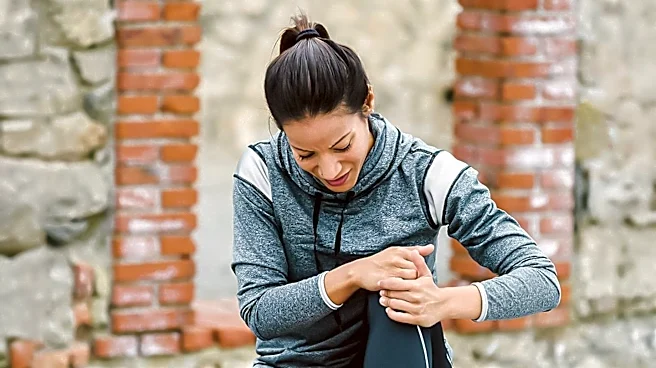
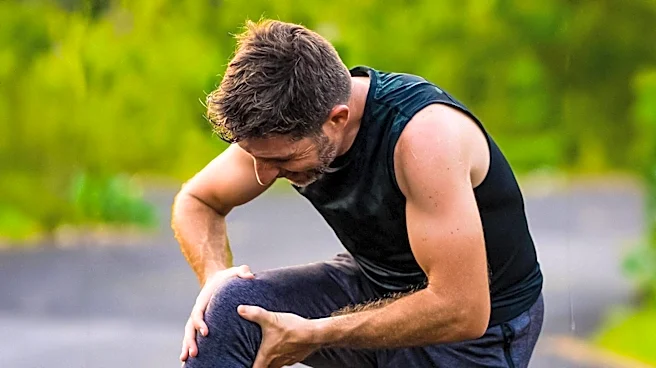
Knee pain, often attributed to aging, genetics, or wear and tear, is frequently a result of everyday habits and can be simpler to fix than commonly believed, according to various health experts. Dr. Jasmine Marcus, a physical therapist, notes that tendinopathy,
a tendon injury from overuse, is common in runners who rapidly increase distance or speed. Rachel MacPherson, a pain-free performance specialist, highlights weak glutes and hips as significant contributors to knee pain, explaining that weak hip flexors can lead to inward thigh rotation, straining the knee joint. Neglecting warm-ups and stretching can also cause patellofemoral pain syndrome, where the kneecap doesn't move correctly due to inflexible soft tissues or weak surrounding muscles. Diet also plays a role, with dietitian Avery Zener emphasizing the importance of nutrients like Vitamin C for joint health and collagen production. Additionally, 'runner's knee,' caused by overuse and inflammation in the quad tendon, and tight IT bands, common in athletes, are identified as non-age-related causes of knee discomfort.
Why It's Important?
Understanding the true causes of knee pain is crucial for effective treatment and prevention, potentially reducing reliance on assumptions about aging. For individuals across various activity levels, from casual exercisers to marathon runners, identifying issues like weak glutes, improper warm-ups, or dietary deficiencies can lead to targeted interventions. This knowledge empowers individuals to take proactive steps, such as gradually increasing exercise intensity, incorporating specific strengthening exercises, improving dietary habits, and utilizing tools like foam rollers for muscle relief. The emphasis on non-age-related factors can shift public perception, encouraging people to seek solutions rather than accepting knee pain as an inevitable part of getting older. This can lead to improved quality of life, sustained physical activity, and reduced healthcare costs associated with chronic knee issues.
What's Next?
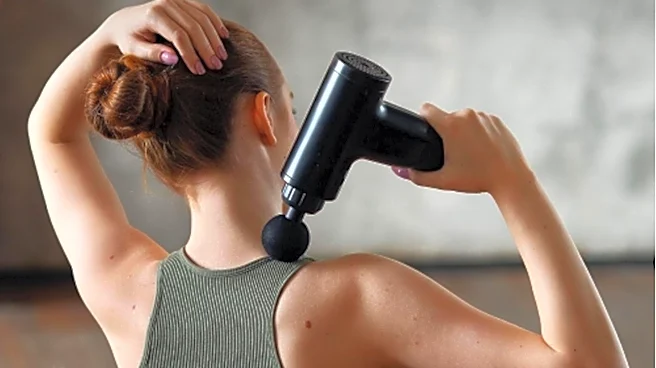
Individuals experiencing knee pain are advised to consult healthcare professionals or physical therapists for personalized guidance. For runners, gradually increasing mileage and speed is recommended to prevent tendinopathy. Those with weak glutes and hips should incorporate targeted strengthening exercises, potentially with the help of a personal trainer or physical therapist. Emphasizing dynamic warm-ups before exercise and taking breaks from prolonged sitting are crucial for preventing patellofemoral pain syndrome. Dietary adjustments, focusing on nutrient-rich fruits and vegetables, can support joint health. For conditions like 'runner's knee' and tight IT bands, rest, proper training volume, and techniques like foam rolling and glute massages are suggested. Consistency in these practices is key, and persistent discomfort warrants professional medical advice.
Beyond the Headlines
The detailed breakdown of knee pain causes challenges the common societal narrative that such discomfort is an unavoidable consequence of aging. This shift in understanding has broader implications for public health, promoting a more proactive approach to musculoskeletal well-being. It underscores the interconnectedness of various bodily systems—from muscle strength and flexibility to nutrition—in maintaining joint health. The advice also highlights the importance of individualized care, as solutions vary based on the specific cause and an individual's fitness level. Furthermore, it subtly advocates for a more holistic view of health, where daily habits, exercise routines, and dietary choices are recognized as powerful determinants of physical comfort and longevity, moving beyond a purely reactive approach to pain management.