






What's Happening?
The United Arab Emirates (UAE) is actively investing in hydrogen production and export capabilities, alongside developing domestic infrastructure for fuel cell vehicles (FCVs). This initiative is part of a broader strategy to diversify its energy sources
and mature its hydrogen economy. While current demand for hydrogen tanks in the UAE remains modest, primarily focused on pilot and demonstration projects, the region is poised for growth as hydrogen economies develop. The UAE, along with Saudi Arabia and Turkey, is gradually entering the H2 Tanks for FCVs Market, exploring fuel cell mobility as part of their energy diversification efforts. This includes an emerging interest in deploying fuel cell vehicles and establishing refueling infrastructure. The market for H2 Tanks for FCVs is projected to experience considerable growth globally, driven by advancements in hydrogen production and storage technologies, increased investments in hydrogen infrastructure, and governmental policies promoting clean energy solutions. The UAE's efforts align with these global trends, aiming to position itself as a significant player in the future hydrogen economy.
Why It's Important?
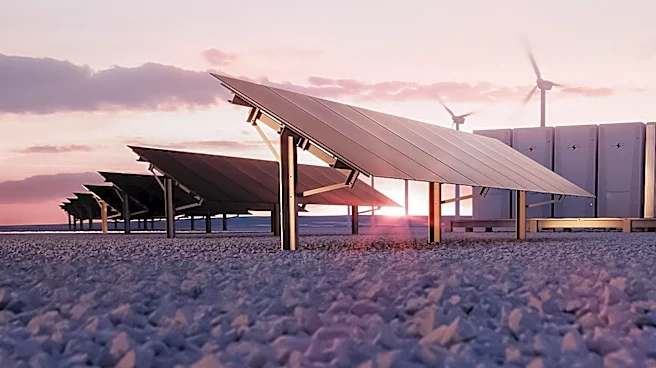
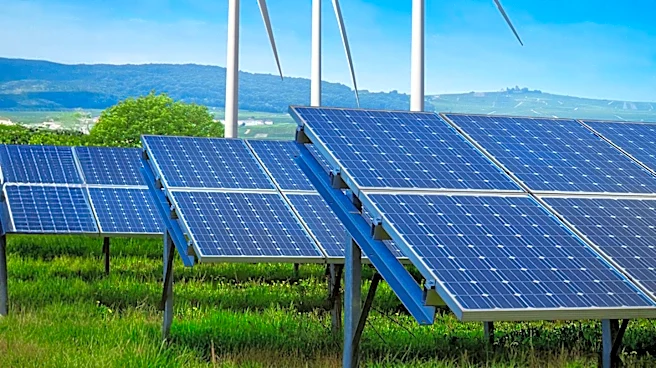
The UAE's strategic investments in hydrogen production and FCV infrastructure are significant for the global energy transition and hold implications for U.S. industries. As a major oil-producing nation, the UAE's pivot towards hydrogen signals a broader shift in the global energy landscape, potentially influencing international energy markets and investment flows. For U.S. companies involved in hydrogen technology, fuel cell manufacturing, or infrastructure development, this presents opportunities for partnerships, exports, and technological collaboration. The maturation of hydrogen economies in the Middle East could also accelerate the development of global hydrogen supply chains, impacting the cost and availability of hydrogen as a clean fuel worldwide. Furthermore, the UAE's commitment to becoming a leading generator of solar electricity by 2031 underscores a comprehensive approach to renewable energy, which could further enhance its green hydrogen production capabilities. This could lead to increased competition or collaboration in the burgeoning green hydrogen market, affecting U.S. energy policy and industrial strategies.
What's Next?
The UAE is expected to continue its investments in hydrogen production and the development of refueling infrastructure for FCVs. As its hydrogen economy matures, there will likely be an increase in pilot and demonstration projects, potentially leading to wider adoption of FCVs and the expansion of hydrogen storage solutions. The growth of these markets will depend on the evolution of policy frameworks, international partnerships, and sustained investment in refueling infrastructure. Collaborative efforts between automotive manufacturers and technology firms are anticipated to enhance the efficiency and safety of hydrogen storage systems. Additionally, regulatory frameworks are expected to evolve to support hydrogen adoption, with initiatives aimed at creating robust supply chains for hydrogen production, storage, and distribution. These developments suggest a future where the UAE plays a more prominent role in the global hydrogen market, influencing technological standards and market dynamics.
Beyond the Headlines
The UAE's push into hydrogen technology extends beyond mere economic diversification; it represents a strategic move to maintain relevance and influence in a future global energy landscape increasingly dominated by clean energy. By investing in hydrogen, the UAE is not only addressing climate change concerns but also positioning itself as a leader in next-generation energy solutions. This could have profound geopolitical implications, shifting traditional energy alliances and creating new ones based on hydrogen production and trade. The ethical dimension involves ensuring that hydrogen production is truly 'green,' minimizing environmental impact throughout the lifecycle. Legal frameworks will need to adapt to regulate hydrogen production, storage, and transportation, ensuring safety and environmental compliance. Culturally, the adoption of FCVs and hydrogen energy could foster a greater public acceptance of clean energy technologies, influencing consumer behavior and societal norms towards sustainability, both within the UAE and potentially as a model for other nations.