

What's Happening?
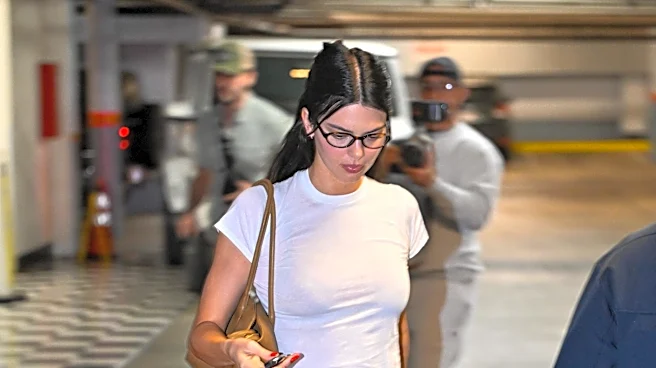
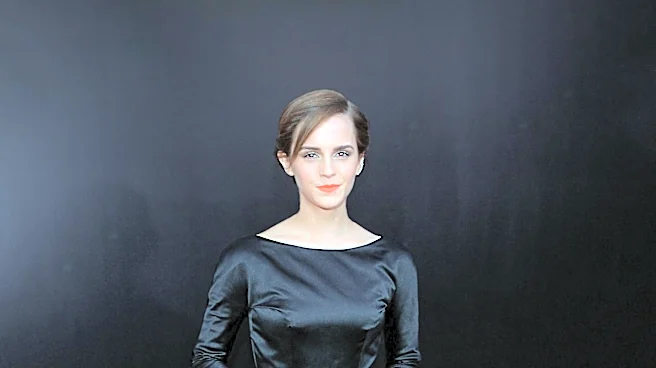
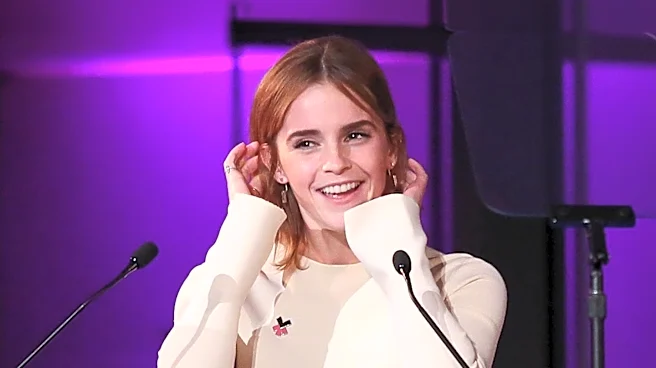
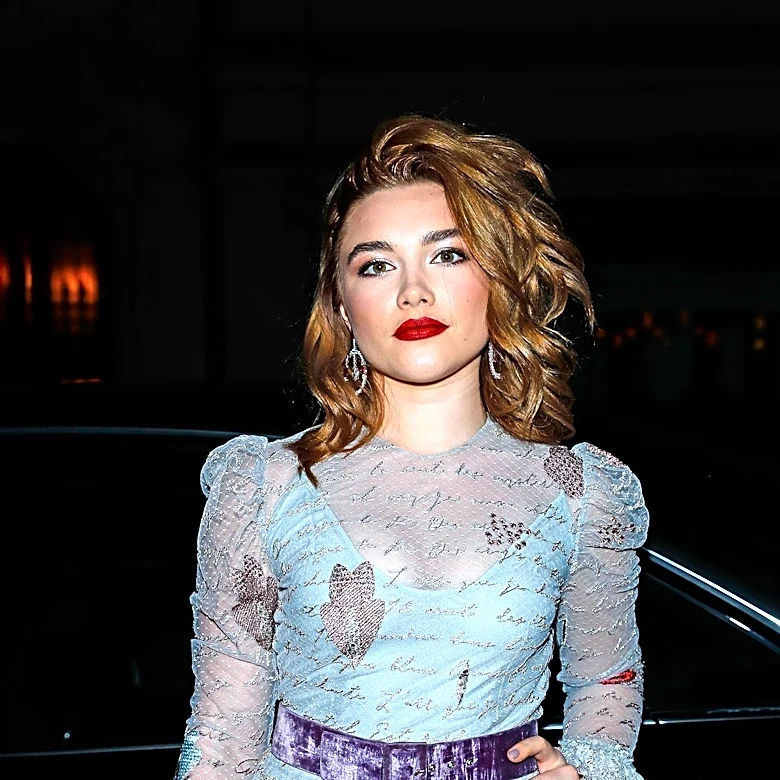
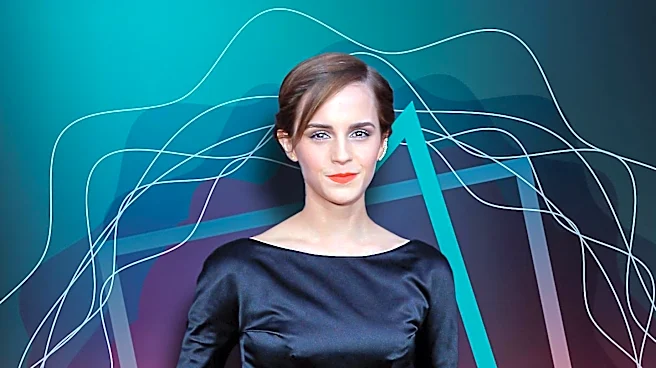
Emma Watson recently shared a behind-the-scenes preview of her preparation for an appearance at the Lucas Museum, which has generated significant attention and discussion across social media platforms. The relaxed snapshot, showing Watson during her getting-ready
routine, prompted numerous comparisons to other celebrities, with commenters noting resemblances to Kiernan Shipka and Lana Del Rey. Many viewers also commented on the nostalgic quality of her styling, with some referencing her 'Yule Ball' look from her earlier acting career. Additionally, there was considerable discussion regarding the use of digital filters, with several observers suggesting that filters made her appear younger than her age. Beyond facial aesthetics, beauty enthusiasts analyzed the styling process itself, noting that the mid-styling volume often appeared more dynamic than the final red-carpet presentation. This event highlights how Watson's periodic public appearances continue to draw significant public interest and fuel conversations about fashion, beauty standards, and celebrity culture, despite her relatively low profile in major acting projects recently.
Why It's Important?
This event underscores the significant influence of celebrity culture and social media in shaping public discourse around beauty standards and personal image. The immediate and widespread reaction to Watson's behind-the-scenes photo demonstrates the intense scrutiny celebrities face, even in seemingly casual posts. The comparisons to other actresses and the discussions about digital filters reflect broader societal conversations about authenticity, ageism, and the pressure on public figures to maintain a certain image. For the entertainment industry, such viral moments can generate considerable buzz, keeping public figures relevant even during periods of reduced professional activity. It also highlights the power of social media as a direct channel for celebrities to engage with their audience, albeit one that often invites intense public commentary and debate on personal appearance and styling choices. The public's engagement with these details indicates a strong interest in the behind-the-scenes aspects of celebrity life and the perceived realities versus curated images.
What's Next?
Given the ongoing public interest in Emma Watson's appearances and styling, it is likely that future public engagements or social media posts from her will continue to attract similar levels of attention and discussion. The ongoing dialogue around beauty standards, digital enhancements, and celebrity authenticity is expected to persist, with each new public image serving as a potential catalyst for further debate. For other public figures, this incident may reinforce the awareness of how even seemingly minor details in their online presence can be amplified and dissected by the public. The Lucas Museum appearance itself, once fully revealed, will likely be viewed through the lens of this pre-event discussion, with observers comparing the final look to the behind-the-scenes preview. This continuous cycle of anticipation, observation, and commentary is a characteristic feature of modern celebrity culture driven by social media.
Beyond the Headlines
The extensive online debate sparked by Emma Watson's behind-the-scenes look delves into deeper societal implications concerning beauty, authenticity, and the digital age. The immediate comparisons to other celebrities and the focus on digital filters highlight a collective fascination with perceived perfection and the tools used to achieve it. This phenomenon raises questions about the impact of such discussions on self-image, particularly among younger audiences who are constantly exposed to curated online personas. It also touches upon the evolving nature of celebrity, where the line between public and private life becomes increasingly blurred, and every shared moment can become a subject of widespread analysis. The conversation around 'mid-styling' versus 'final look' also subtly critiques the often-unrealistic expectations placed on public figures, suggesting a preference for more natural or dynamic appearances over overly polished ones. This ongoing dialogue reflects broader cultural shifts in how beauty is perceived, presented, and consumed in the digital era.