







What's Happening?
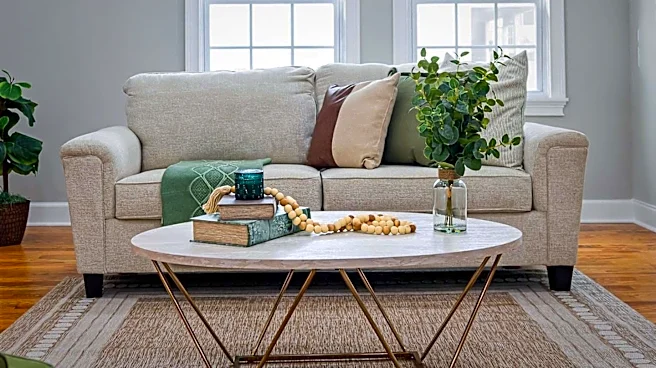
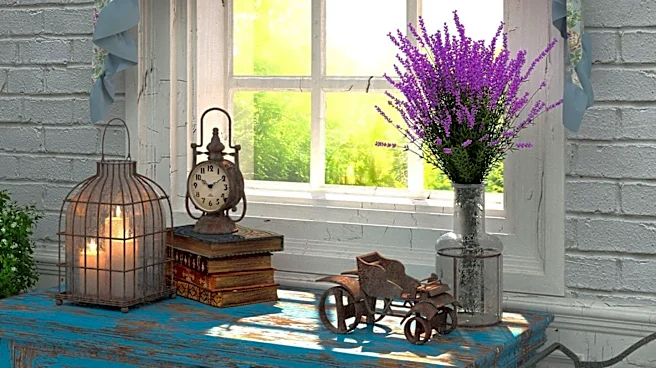
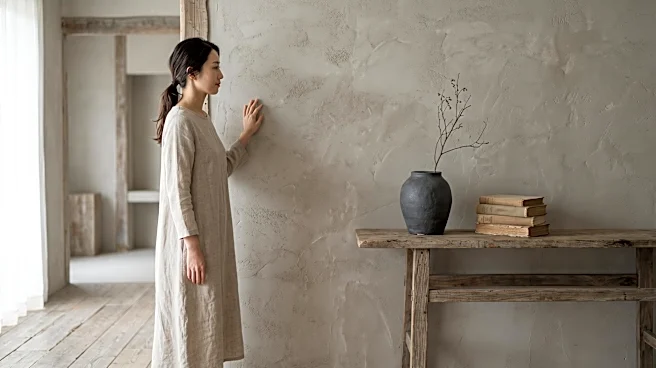
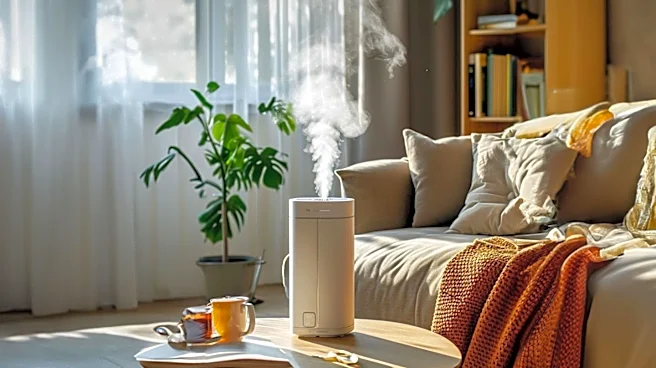
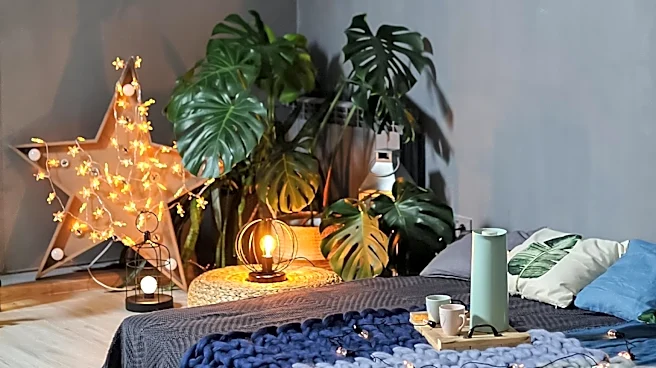
The hygge lifestyle, rooted in Scandinavian design principles, focuses on creating warm, cozy, and earthy home environments. This approach prioritizes neutral tones, organic textures, and elements that foster a calming atmosphere. Key components include
soft, layered lighting, comfortable seating, and the integration of natural materials. The concept extends beyond aesthetics, often encompassing hospitality and relaxed social interactions. Environmental psychologists refer to a related concept called prospect-refuge theory, which suggests people feel most at ease in spaces offering a sense of shelter while maintaining a clear view of the surroundings. This theory explains why seating arrangements that provide a solid back and an open view contribute to a feeling of comfort and security.
Why It's Important?
The growing interest in the hygge lifestyle in the U.S. reflects a broader societal shift towards well-being and comfort within personal spaces. This trend impacts the home decor, furniture, and lifestyle product industries, as consumers seek items that align with hygge principles. Businesses that offer products like soft textiles, warm lighting solutions, natural wood furniture, and easy-to-care-for plants (including high-quality artificial ones) stand to gain. The emphasis on creating a 'lived-in' rather than 'staged' environment also influences consumer purchasing habits, moving away from purely aesthetic choices towards functional and comforting elements. This cultural shift can also promote mental well-being by encouraging individuals to cultivate more relaxing and inviting home environments, potentially reducing stress and fostering a sense of security.
What's Next?
The continued adoption of hygge principles is likely to drive innovation in home design and product development. Manufacturers may focus on creating more sustainable and natural material options, as well as smart home technologies that enhance ambient lighting and temperature control to further support a cozy atmosphere. Retailers are expected to curate collections that embody the hygge aesthetic, making it easier for consumers to integrate these elements into their homes. Furthermore, interior design services may increasingly specialize in creating hygge-inspired spaces, catering to a growing demand for personalized, comforting environments. Educational content and workshops on creating hygge homes could also become more prevalent, guiding individuals on how to apply these principles effectively.
Beyond the Headlines
The hygge movement represents more than just a design trend; it signifies a deeper cultural yearning for simplicity, comfort, and connection in an increasingly fast-paced world. It challenges the consumerist notion that happiness is derived from accumulating possessions, instead advocating for intentional choices that foster a sense of peace and belonging. Ethically, it encourages sustainable consumption by valuing quality and longevity over fleeting trends. Culturally, it promotes a slower pace of life and a greater appreciation for everyday moments, potentially influencing work-life balance and community engagement. The emphasis on natural elements also subtly reconnects individuals with nature, even within urban settings, contributing to a holistic sense of well-being.