

What's Happening?
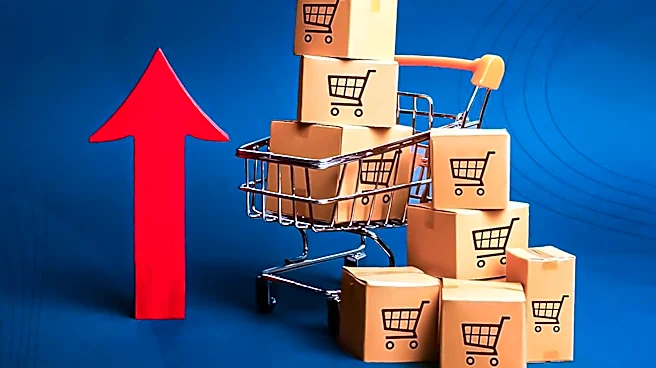
Food-at-home inflation remained flat month-over-month in August, following a 0.1% decline in July, bringing the year-over-year food-at-home inflation rate down to 2.2%. This offers some relief to consumers after a period of elevated food prices. However,
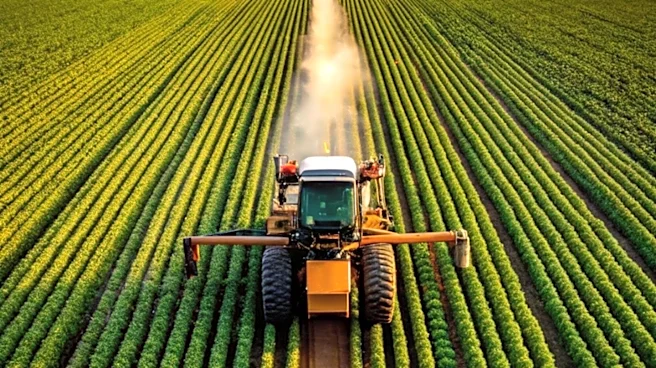
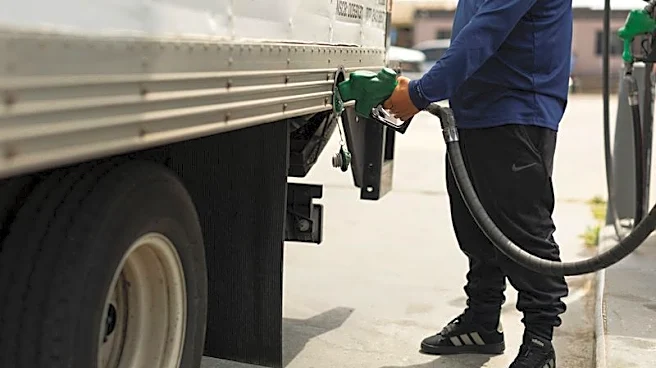
experts, including Ricky Volpe, professor of agribusiness at Cal Poly, caution that this relief may be temporary. Volpe anticipates that food prices will likely rise in the coming months due to persistent cost pressures within the food supply chain. These pressures include tariffs and trade disruptions, increased input costs such as fertilizer (linked to earlier supply chain and geopolitical disruptions), and higher expenses for diesel, transportation, and storage. Additionally, lower projected corn yields and subsequent higher corn prices are expected to contribute to increased costs for food producers and retailers.
Why It's Important?
The potential resurgence of grocery inflation has significant implications for U.S. consumers and the food industry. While the recent slowdown provided a brief respite, the underlying cost pressures suggest that households may soon face higher food bills again. This directly impacts household budgets, particularly for lower-income families who spend a larger proportion of their income on food. For the food industry, thin profit margins, averaging only 2.3% for grocery retailers since 2020, mean there is limited capacity to absorb future cost increases. This could lead to retailers passing on higher costs to consumers, further straining affordability. The interconnectedness of global supply chains means that geopolitical events and commodity price fluctuations, such as those affecting corn and diesel, can quickly translate into higher prices at the grocery store, affecting the economic stability of many American families.
What's Next?
Consumers should anticipate potential increases in grocery prices in the coming months, as the delayed effects of rising input costs, transportation expenses, and lower corn yields work their way through the supply chain. Retailers, operating on already thin margins, are likely to adjust prices to cover these increased costs. This situation may prompt consumers to continue seeking ways to save money on groceries, such as cooking more at home, utilizing loyalty programs, and looking for discounts. Some cities, like New York City, are exploring initiatives such as public grocery pilot programs to subsidize core food items, though such measures can face challenges and legal disputes from neighboring businesses. The food industry will continue to monitor global supply chain stability, energy prices, and agricultural forecasts to anticipate and manage future cost fluctuations.
Beyond the Headlines
The fluctuating nature of grocery inflation highlights the complex vulnerabilities within the modern food system. Beyond immediate price changes, the situation underscores the long-term challenges of ensuring food security and affordability in the face of global economic and environmental shifts. The reliance on specific commodities like corn, and the impact of energy costs like diesel, reveal how interconnected various sectors are. This scenario also brings to light the ethical considerations for retailers and manufacturers in balancing profitability with consumer affordability, especially for essential goods. The discussion around government subsidies and local initiatives to control food prices points to a growing recognition of food as a fundamental right and the need for systemic solutions to address persistent food insecurity, moving beyond short-term market adjustments to more sustainable and equitable food systems.