





What's Happening?
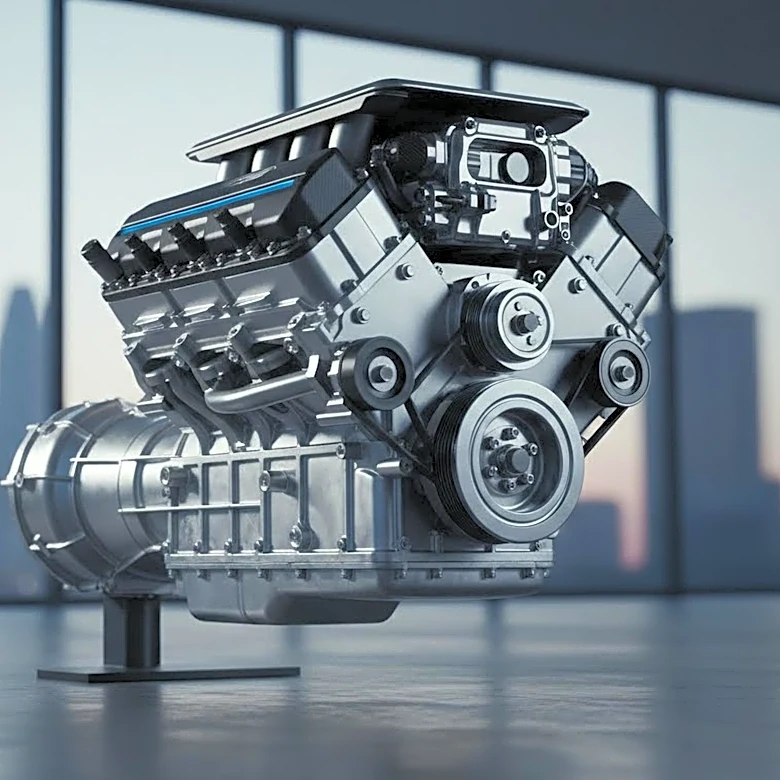
The 2026 Jeep Grand Cherokee Summit has been tested, revealing that while the SUV boasts a luxurious interior and advanced features, its new engine presents performance challenges. The model features a new 324-hp turbocharged 2.0-liter inline-four engine,
known as the Hurricane 4 Turbo, which aims to provide better fuel economy and substantial power. However, the engine requires significant boost to reach maximum power, resulting in a laggy performance that feels overburdened by the vehicle's weight. Despite these challenges, the SUV offers a quicker acceleration compared to its V-6 predecessor and improved fuel efficiency. The interior is noted for its luxury, with features like massaging front seats and a high-quality stereo system, although some controls are found to be frustrating.
Why It's Important?
The introduction of the Hurricane 4 Turbo engine in the Jeep Grand Cherokee Summit represents a significant shift in Jeep's approach to balancing performance and fuel efficiency. This move is part of a broader industry trend towards more efficient engines in response to environmental concerns and regulatory pressures. However, the performance issues highlighted in the test could impact consumer perception and sales, particularly among those who prioritize driving dynamics. The vehicle's luxurious features and improved fuel economy may appeal to a segment of buyers, but the engine's performance could deter others, affecting Jeep's competitive position in the SUV market.
Beyond the Headlines
The performance challenges of the new engine raise questions about the trade-offs between efficiency and power in modern vehicle design. As automakers continue to innovate with new technologies, the balance between meeting regulatory requirements and maintaining consumer satisfaction becomes increasingly complex. The Jeep Grand Cherokee Summit's experience may influence future design and engineering decisions, not only for Jeep but for the industry as a whole, as manufacturers strive to meet diverse consumer expectations while adhering to environmental standards.