
What's Happening?
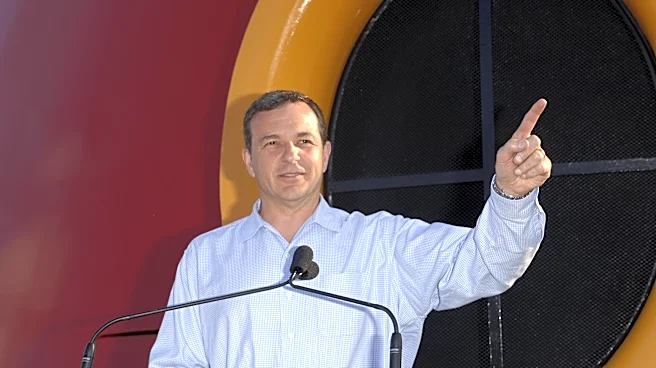
A new book, 'The House of Mouse: Bob Iger and the War of Succession at Disney' by Wall Street Journal reporter Robbie Whelan, reveals that former Disney chief Bob Iger strongly disliked George Lucas' plans for the 'Star Wars' sequel trilogy. During negotiations
for Disney's 2012 acquisition of Lucasfilm, Iger reportedly insisted on acquiring Lucas' story treatments for Episodes VII, VIII, and IX but ensured Disney had no contractual obligation to use them. According to Whelan, Iger privately declared, 'We are not making these movies,' indicating his strong opposition to Lucas' creative vision. This account contrasts with previous statements, including those from former Lucasfilm president Kathleen Kennedy, who suggested Lucas had left only minimal story ideas. However, Disney's then-CFO Jay Rasulo described the treatments as extensive and detailed in 2012. Lucas himself felt blindsided when he learned the creative team for 'Star Wars: The Force Awakens' intended to pursue a different story, leading to his disappointment with Disney's direction for the franchise.
Why It's Important?
This revelation highlights the significant creative divergence between George Lucas, the creator of 'Star Wars,' and Disney's leadership following the acquisition of Lucasfilm. Iger's decisive rejection of Lucas' sequel plans underscores Disney's intent to steer the franchise in a new direction, which ultimately led to the sequel trilogy released under Disney's banner. This decision had profound implications for the 'Star Wars' universe, shaping the narrative and thematic elements of Episodes VII, VIII, and IX. It also sheds light on the corporate dynamics involved in major entertainment acquisitions, where creative control can become a point of contention. The differing accounts of the extent of Lucas' plans also raise questions about transparency and communication during such high-stakes negotiations, impacting fan expectations and the legacy of the franchise.
What's Next?
While the Disney sequel trilogy has already concluded, the ongoing discussion about Lucas' original plans continues to fuel fan speculation and debate regarding alternative directions the 'Star Wars' saga could have taken. The revelations from Whelan's book may further intensify these discussions, potentially influencing future creative decisions within the franchise as Disney continues to expand the 'Star Wars' universe through new films and series. The differing perspectives on Lucas' contributions and Disney's subsequent choices could also impact how future acquisitions and creative collaborations are approached in the entertainment industry, particularly concerning established intellectual properties. This historical context may inform how Disney manages its vast portfolio of franchises and engages with their original creators.
Beyond the Headlines
The conflict over George Lucas' 'Star Wars' sequel plans extends beyond a simple creative disagreement; it touches upon the complex relationship between creators and corporations in the modern entertainment landscape. It raises questions about artistic legacy, ownership of creative vision, and the commercial pressures that influence major franchise decisions. The narrative of Iger, a corporate executive, dismissing the ideas of the franchise's creator highlights a power dynamic where business objectives can override original artistic intent. This situation also reflects broader industry trends where established intellectual properties are acquired and reinterpreted, often leading to debates among fans and critics about authenticity and innovation versus commercial viability. The enduring discussion around Lucas' abandoned plans underscores the deep emotional connection audiences have with beloved franchises and the significant impact of corporate decisions on cultural touchstones.