




What's Happening?
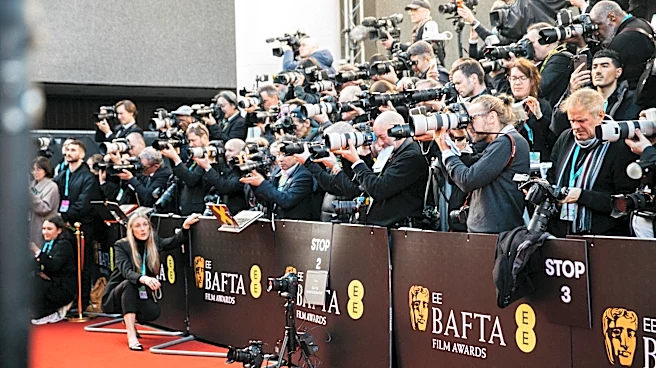
The Michael Jackson biopic, 'Michael,' will not be submitted for consideration at the British Academy Film Awards (BAFTAs), as reported by Deadline and initially broken by Variety. This decision, made by producers GK Films and Universal, removes the film,
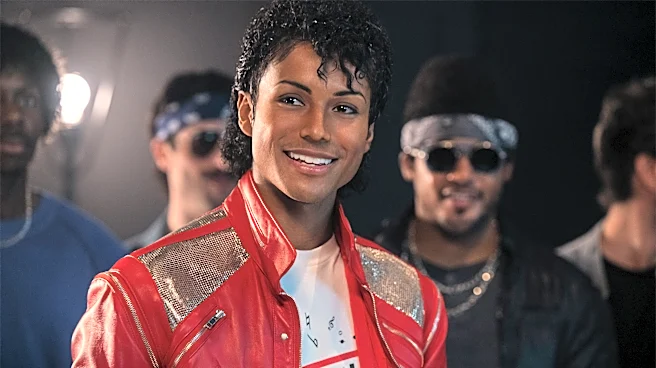
its star Jaafar Jackson, Colman Domingo, and the craft team from the BAFTA race. The film has achieved significant commercial success, becoming the highest-grossing biopic ever with over $1 billion at the box office. Despite its widespread audience appeal and an ongoing awards campaign, stakeholders including Graham King and Antoine Fuqua opted against a BAFTA submission after consulting with Lionsgate, Universal, and other partners. The reasons behind this decision were cited as 'multiple factors,' though specific details were not disclosed by representatives. This move is particularly notable given the film's box office performance and its eligibility for other major awards, including the Oscars, although the Golden Globes recently rejected its bid for comedy or musical categories.
Why It's Important?
This decision carries significant implications for the film's awards season trajectory and for the perception of major awards bodies. By opting out of the BAFTAs, 'Michael' foregoes a crucial platform for early recognition and momentum that often influences Oscar voters. For Jaafar Jackson, whose performance has been central to the film's critical reception and audience connection, missing out on a BAFTA nomination could impact his individual awards prospects. The move also raises questions about the relationship between major film productions and awards organizations, especially in light of past criticisms. Graham King, a key stakeholder, had previously criticized BAFTA and the BBC for 'cultural insensitivity and tone deafness' following an incident at a prior ceremony. While it's unclear if this past friction directly influenced the current decision, it highlights potential underlying tensions that could affect how films engage with specific awards bodies in the future.
What's Next?
Despite its withdrawal from the BAFTAs, 'Michael' remains eligible for the Academy Awards, and its producers will likely intensify their focus on the Oscar campaign. The film will need to build its awards case without the early visibility and critical validation that a BAFTA run could have provided. The absence from BAFTA longlists, which are typically released in early January, means the film will miss one of the first major indicators of awards season sentiment. The industry will be watching to see how this strategic decision impacts the film's overall awards performance, particularly for Jaafar Jackson's debut. The move could also prompt further discussion within the film industry regarding the value and influence of various awards ceremonies and how studios strategize their submissions in an increasingly competitive landscape.
Beyond the Headlines
The decision to bypass the BAFTAs for a commercially successful film like 'Michael' could signal a shift in how studios prioritize awards recognition versus other strategic considerations. It might reflect a growing sentiment that certain awards bodies do not align with a film's artistic or commercial objectives, or that the effort and resources required for a campaign might not yield the desired return. This could also be interpreted as a bold statement from the filmmakers, potentially leveraging the film's box office success to assert independence from traditional awards pathways. Furthermore, if past grievances played a role, it underscores the importance of cultural sensitivity and accountability for awards organizations. Such actions could encourage other productions to re-evaluate their awards strategies, potentially leading to a more selective approach to submissions based on perceived value and alignment with their broader goals, rather than simply pursuing every available award opportunity.