






What's Happening?
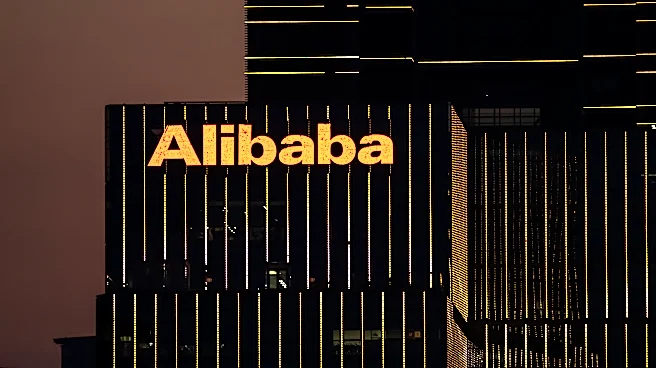
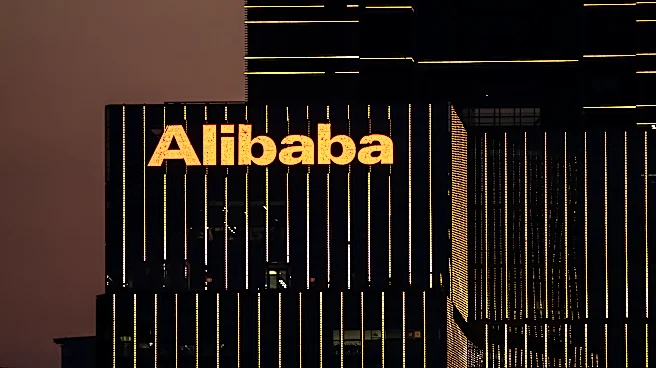
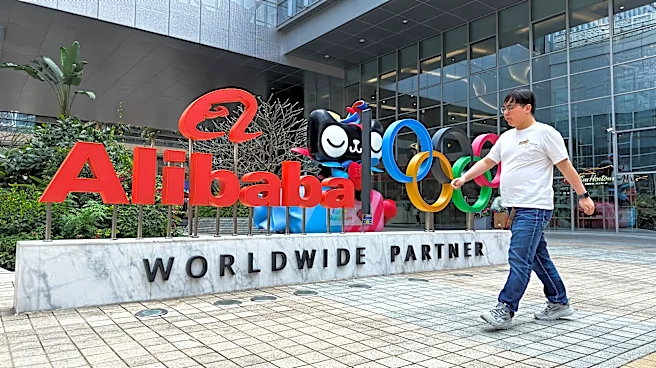
Alibaba, a major Chinese e-commerce company, has announced a ban on the use of Anthropic's artificial intelligence tools by its employees, effective July 10. This decision comes after Anthropic accused Alibaba of attempting to extract its AI capabilities
through what it described as the largest known 'distillation attack'. Anthropic's terms of service prohibit Chinese companies and other 'adversarial nations' from using its models. As a result, Alibaba has classified Anthropic's Claude Code as high-risk software and instructed employees to uninstall these models, opting instead for its own AI assistant, Qoder. Both companies have declined to comment on the situation.
Why It's Important?
This development highlights the growing tensions between U.S. and Chinese tech companies, particularly in the realm of artificial intelligence. The ban reflects broader concerns about data security and intellectual property theft, which have been central to U.S.-China tech relations. For Alibaba, the move to restrict Anthropic's tools underscores the importance of safeguarding its operations against potential security threats. For Anthropic, the incident raises questions about the protection of its AI models and the enforcement of its terms of service. This situation could influence future collaborations and trust between tech companies across these nations.
What's Next?
The ban may prompt further scrutiny of AI collaborations between U.S. and Chinese companies. It could lead to increased regulatory measures or policy changes aimed at protecting intellectual property and ensuring data security. Additionally, other tech companies might reassess their partnerships and security protocols in light of this incident. The response from the U.S. government or other international bodies could also shape the future landscape of AI development and cross-border tech collaborations.