







What's Happening?
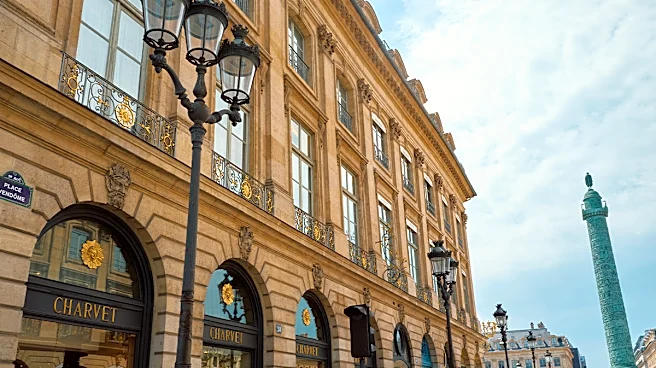
Chanel has announced the acquisition of the historic shirtmaker Charvet, marking a new chapter for the Parisian company after 188 years of independence. This acquisition is part of Chanel's strategy to preserve and promote artisanal excellence and craftsmanship.
The financial details of the transaction have not been disclosed. Chanel and Charvet share a long-standing relationship, with Gabrielle Chanel herself having worn Charvet shirts. The acquisition aims to ensure the longevity of Charvet's unique craftsmanship and heritage. Charvet will join Chanel's Paraffection subsidiary, which includes several other major names in craftsmanship acquired by Chanel over the years.
Why It's Important?
This acquisition underscores Chanel's commitment to preserving traditional craftsmanship and integrating it into its luxury offerings. By acquiring Charvet, Chanel not only secures exclusive access to Charvet's technical skills but also strengthens its supply chain. This move is significant in the luxury fashion industry, where maintaining heritage and craftsmanship is crucial for brand identity and differentiation. The acquisition also highlights the importance of vertical integration in luxury fashion, allowing Chanel to control the quality and exclusivity of its products. This strategy could influence other luxury brands to pursue similar acquisitions to preserve and enhance their craftsmanship capabilities.
What's Next?
Following the acquisition, Charvet will become part of Chanel's Paraffection subsidiary, which focuses on preserving artisanal skills. Chanel is likely to continue its strategy of acquiring companies that align with its values of craftsmanship and heritage. This acquisition may lead to new collaborations and product innovations that incorporate Charvet's expertise. Additionally, Chanel's commitment to preserving craftsmanship could inspire other luxury brands to invest in similar initiatives. The integration of Charvet into Chanel's operations will be closely watched by industry stakeholders as a model for preserving and promoting traditional craftsmanship in the modern luxury market.