



What's Happening?
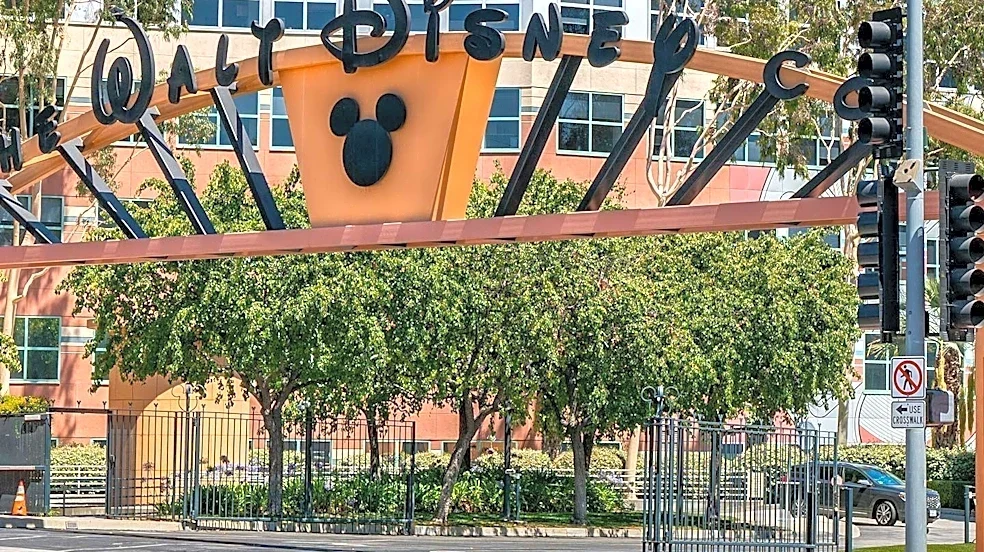
Walt Disney Pictures, a division of The Walt Disney Studios, is actively seeking a Staff Workflow Engineer specializing in Artificial Intelligence and Machine Learning (AI/ML). This role is based in Burbank, CA, and focuses on designing, prototyping,
and deploying next-generation workflows for filmmaking. The position requires deep experience in production pipelines and hands-on AI/ML engineering expertise to bridge traditional pipeline engineering with emerging machine learning technologies. The engineer will be responsible for integrating Digital Content Creation (DCC) applications like Nuke, Maya, and Houdini into automated systems, developing tools and APIs to enhance efficiency, and evaluating and integrating AI/ML models into production workflows. This includes building and deploying ML pipelines for training, fine-tuning, inference, and optimization, particularly for GPU environments and render farm deployment. The role also involves collaborating with data scientists and ML engineers to transition research models into usable production tools, ensuring security, compliance, and data governance standards are upheld.
Why It's Important?
This hiring initiative by Walt Disney Pictures underscores a significant industry trend towards integrating advanced AI and machine learning into the core of film production. By investing in a Staff Workflow Engineer with AI/ML expertise, Disney is positioning itself to enhance efficiency, creativity, and cost-effectiveness in its filmmaking processes. The role's focus on optimizing VFX, post-production, and virtual production pipelines using AI/ML can lead to faster rendering times, more realistic visual effects, and innovative storytelling techniques. This move could set new benchmarks for the entertainment industry, potentially influencing how other major studios approach content creation. The emphasis on scalable, secure, and production-ready AI solutions also highlights a commitment to robust technological infrastructure, which is crucial for handling the complex demands of modern film production and maintaining a competitive edge in a rapidly evolving media landscape. This strategic investment in AI talent reflects a broader industry shift towards leveraging cutting-edge technology to push creative boundaries and streamline operations.
What's Next?
The successful integration of AI/ML into Walt Disney Pictures' workflows is expected to lead to several advancements in their production capabilities. Future developments may include more sophisticated virtual production environments, enabling filmmakers to visualize and iterate on scenes with greater flexibility and realism. The optimization of GPU environments and render farm deployment through AI could significantly reduce production timelines and costs, allowing for more ambitious projects to be undertaken. Furthermore, the collaboration between the Staff Workflow Engineer and data scientists/ML engineers is likely to foster a continuous cycle of innovation, where new research models are rapidly adapted and deployed for practical filmmaking applications. This could result in the development of proprietary AI tools and techniques that give Disney a unique advantage in the market. The company's commitment to security, compliance, and data governance in AI implementation suggests a responsible approach to adopting these powerful technologies, which will be crucial as AI becomes more pervasive in creative industries.
Beyond the Headlines
Beyond the immediate operational benefits, Disney's strategic focus on AI/ML in filmmaking has deeper implications for the creative industry. The integration of AI could redefine the roles of artists and technicians, shifting their focus from manual, repetitive tasks to more conceptual and creative endeavors. While AI can automate certain aspects of production, it also opens up new avenues for artistic expression and innovation, allowing creators to explore previously impossible visual and narrative concepts. This move also raises ethical considerations regarding the future of creative labor and the potential impact on employment within the industry. However, Disney's emphasis on 'championing a business environment where ideas and decisions from all people help us grow, innovate, create the best stories' suggests an intent to use AI as an augmentative tool rather than a replacement for human creativity. The long-term shift could see a more symbiotic relationship between human artists and AI, leading to a new era of technologically enhanced storytelling.