






What's Happening?
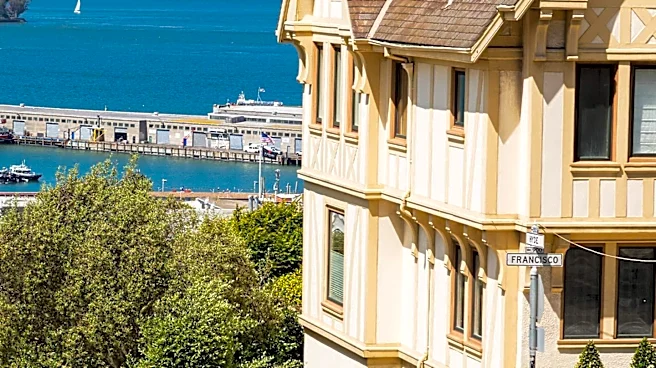
San Francisco power couple Nicola Miner and Robert Mailer Anderson have sold their contemporary compound in the affluent Pacific Heights neighborhood for $68.3 million. This transaction represents one of the city's most expensive residential deals on record.
The property was initially listed for $65 million in July. The sale occurs amidst a significant housing frenzy in San Francisco, largely attributed to an influx of wealth generated by the artificial intelligence industry. The identity of the buyer has not been disclosed. Miner is the daughter of Oracle co-founder Robert Miner, and Anderson is a writer and filmmaker. The couple recently purchased a smaller San Francisco home for $15 million, paying 87% over its asking price.
Why It's Important?
This high-value real estate transaction underscores the profound impact of the artificial intelligence boom on the San Francisco housing market. The sale price, exceeding the asking price, reflects intense demand and limited inventory, leading to escalating property values and bidding wars. This trend creates a challenging environment for many residents, as housing affordability becomes an even greater concern. The influx of AI-generated wealth is reshaping the economic landscape of the city, concentrating wealth and potentially exacerbating socio-economic disparities. For real estate investors and developers, it signals a robust, albeit highly competitive, market driven by a specific sector's prosperity.
What's Next?
The continued growth of the AI industry is expected to sustain the high demand and elevated prices in San Francisco's luxury real estate market. This trend may lead to further record-breaking sales and continued competition for prime properties. Local policymakers might face increased pressure to address housing affordability and availability for a broader range of income levels. The ongoing influx of wealth could also stimulate further development and investment in related infrastructure and services within the city. The long-term implications for San Francisco's demographic and economic composition will likely continue to evolve as the AI sector matures.
Beyond the Headlines
The sale of this compound highlights a broader economic phenomenon: how technological advancements, specifically in AI, are creating new concentrations of wealth and subsequently influencing urban landscapes. This 'AI-fueled boom' is not just about property values; it reflects a significant shift in economic power and investment. It raises questions about sustainable urban development, the potential for increased gentrification, and the social fabric of cities like San Francisco. The rapid appreciation of luxury real estate, driven by a specific industry, could lead to a more stratified society, where access to housing and resources becomes increasingly unequal, prompting discussions about wealth distribution and urban planning strategies.