



What's Happening?
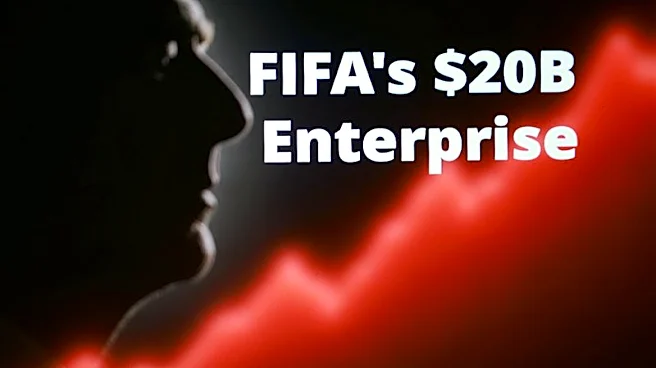
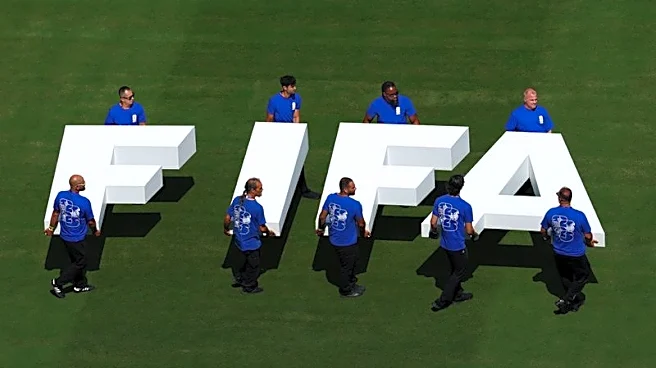
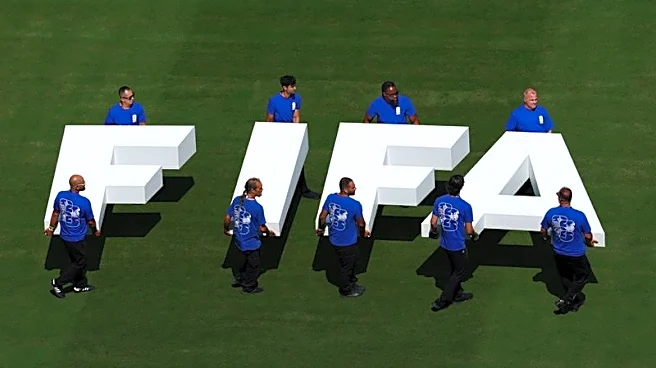
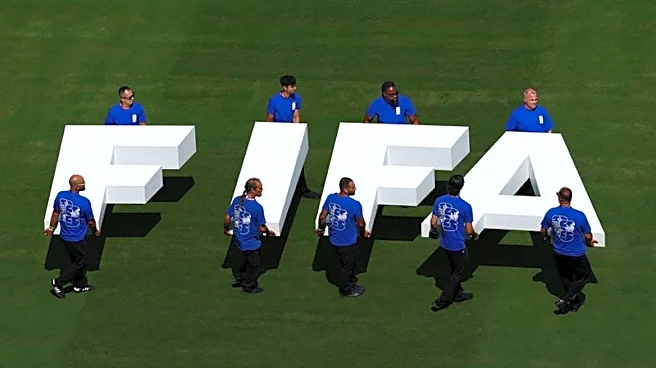
The Union of European Football Associations (UEFA) has announced a boycott of FIFA in response to a proposal to involve private investors in the World Cup. All 55 UEFA members have agreed to the boycott, opposing FIFA's plan to raise $20 billion by selling
a stake in FIFA Forward Enterprises, which would manage the World Cup. UEFA criticized the proposal as a failure of leadership and an abdication of FIFA's duty to protect football's legacy. The plan, backed by Joshua Kushner and JPMorgan, has been developed without UEFA's involvement, leading to accusations of governance by intimidation. UEFA has declared that none of its teams will participate in FIFA events until the proposal is abandoned.
Why It's Important?
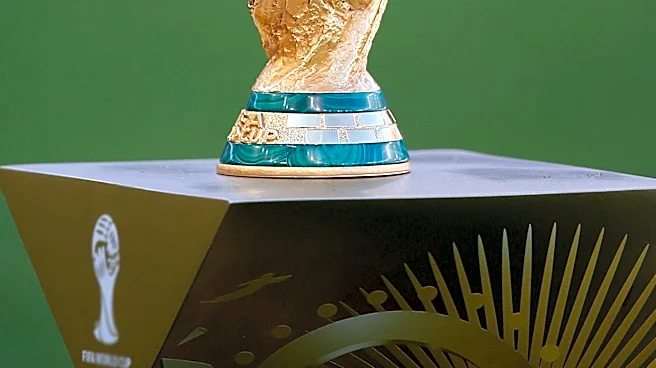
UEFA's boycott highlights significant governance issues within international football, raising concerns about the commercialization of the sport's most prestigious tournament. The move underscores the tension between maintaining football's traditional values and the push for financial gain. If the proposal proceeds, it could permanently alter the governance of soccer, prioritizing shareholder interests over the sport itself. UEFA's stance may influence other football associations to reconsider their positions, potentially leading to a broader conflict within the sport. The outcome of this dispute could set a precedent for how major sporting events are managed and financed in the future.
What's Next?
The decision deadline for FIFA's proposal is set for September 19. UEFA's firm opposition may prompt FIFA to reconsider or modify the proposal to address governance concerns. The situation could escalate if other football associations join UEFA's boycott, potentially leading to a significant restructuring of international football governance. Stakeholders, including players, sponsors, and fans, will likely express their views, influencing the final decision. The resolution of this conflict will be closely watched, as it could redefine the balance of power within global football.