







What's Happening?
Pritzker Prize-winning architect Shigeru Ban has completed the Pasona Natureverse Retreat on Awaji Island, Japan, a five-story hotel designed for long-term wellness. This is Ban's third project for the Pasona Group on the island, following a thatched-roof
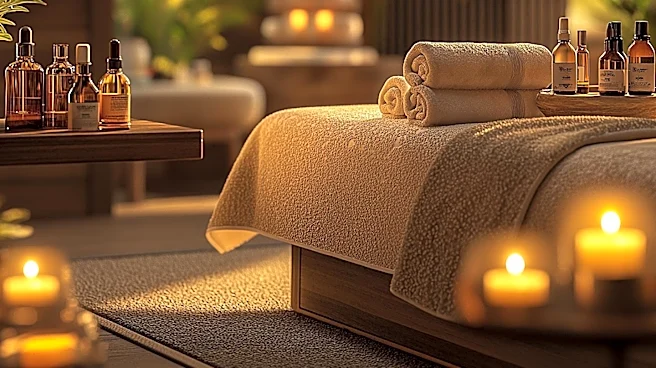
restaurant and a wooden meditation retreat. The hotel features 57 rooms, each with a private onsen (natural hot spring bath), and many include sensor-enabled beds to enhance sleep quality. The D-shaped structure is strategically located between the sea and a forest, with distinct facades: the east side offers wide balconies facing the coast, while the west side features rhythmic vertical timber columns harmonizing with the forest. The retreat emphasizes a holistic approach to health, offering customized wellness programs including thalassotherapy, yoga, and aromatherapy, alongside luxurious amenities like an indoor saltwater pool and Michelin-starred restaurants.
Why It's Important?
Shigeru Ban's Pasona Natureverse Retreat signifies a growing global trend in architecture and hospitality that integrates wellness and sustainability into design. For the U.S. market, this development highlights an evolving consumer demand for travel experiences that prioritize holistic health and environmental consciousness. American travelers, increasingly seeking mindful and restorative getaways, may look to such models for inspiration in domestic wellness resorts. The use of natural materials and innovative design, characteristic of Ban's work, could influence architectural practices in the U.S., promoting sustainable building methods and biophilic design principles. Economically, the success of such integrated wellness resorts could stimulate investment in similar projects, creating new opportunities in the U.S. tourism and real estate sectors, particularly in areas known for natural beauty or therapeutic resources. This also underscores the importance of 'preventive health before illness takes hold,' a concept gaining traction in U.S. healthcare and lifestyle discussions.
What's Next?
The Pasona Natureverse Retreat's success could serve as a blueprint for future wellness-focused architectural projects globally, including potential influence on U.S. developments. Architects and developers in the U.S. may draw inspiration from Ban's approach to integrating natural elements and holistic health services into their designs. This could lead to an increase in demand for sustainable building materials and practices in the construction of hotels and residential properties. Furthermore, the emphasis on personalized wellness programs and advanced amenities like sensor-enabled beds might become standard expectations in high-end wellness tourism. The project's focus on long-term wellness and preventive health could also encourage U.S. healthcare providers and insurers to explore partnerships with wellness resorts, potentially integrating such retreats into broader health and well-being strategies.
Beyond the Headlines
Shigeru Ban's Pasona Natureverse Retreat transcends conventional hospitality by embodying a philosophical commitment to 'Mibyo'—preventive health. This approach challenges the traditional reactive model of healthcare, advocating for environments that actively foster well-being. The ethical implications involve ensuring that such luxury wellness offerings are genuinely accessible and beneficial, rather than exclusive to a privileged few. Legally, the integration of advanced health technologies, like sensor-enabled beds, may raise privacy concerns regarding data collection and usage. Culturally, the retreat's design, which harmonizes with its natural surroundings, promotes a deeper connection between humans and nature, potentially influencing urban planning and architectural aesthetics to prioritize ecological integration. This project could also spark broader conversations about the role of architecture in promoting public health and sustainable living, encouraging a shift towards more thoughtful and health-conscious built environments.