





What's Happening?
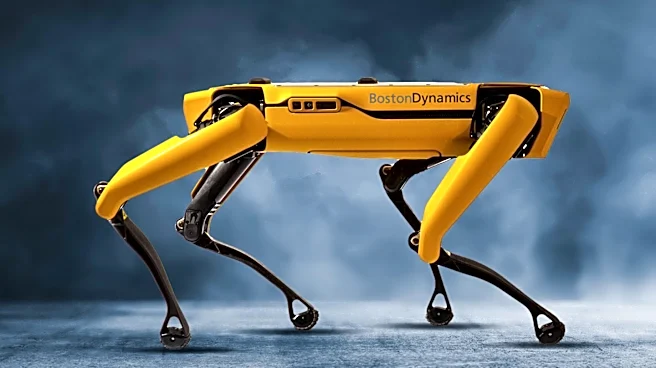
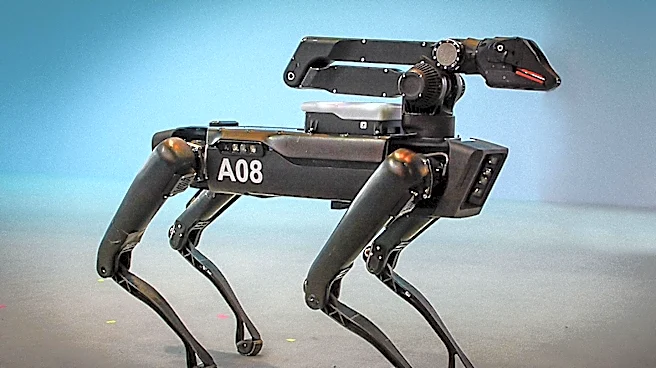
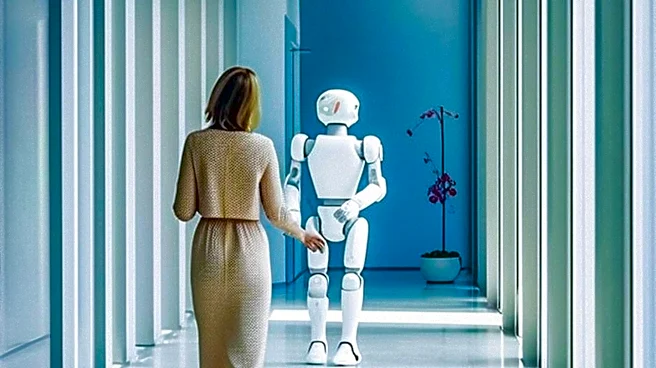
Boston Dynamics is hosting a webinar to discuss the intricacies of human-machine interaction (HMI) as humanoid robots transition from labs to real-world environments. The focus is on making robots predictable rather than human-like to establish trust
and safety. The webinar, titled 'The Art Behind Human-Robot Interaction,' will feature insights from Mario Bollini, director of human-robot interaction, and Leland Hepler, a UI designer with a background in animation. They will discuss how Boston Dynamics integrates engineering and artificial intelligence with animation techniques in its Atlas humanoid robot, which is currently in commercial trials. Key topics include communicating intent through anticipatory cues, ensuring safety with autonomous operation without safety cages, and the shift towards natural interactions using large language models (LLMs). The event is scheduled for July 22, 2026.
Why It's Important?
The development of effective human-robot interaction is crucial as robots become more prevalent in industrial and commercial settings. Ensuring that robots can operate safely and predictably alongside humans is essential to prevent accidents and build trust. By focusing on predictability rather than human mimicry, Boston Dynamics aims to overcome the 'uncanny valley' effect, where robots that look too human can be unsettling. This approach could lead to broader acceptance and integration of robots in various sectors, potentially transforming industries such as manufacturing, logistics, and healthcare. The use of LLMs to enable more natural interactions represents a significant shift in robotics, moving away from rigid programming to more adaptive and intuitive systems.
What's Next?
The insights from the webinar could influence future developments in robotics, particularly in enhancing human-robot collaboration. As Boston Dynamics continues to refine its humanoid robots, other companies may adopt similar strategies to improve safety and interaction. The ongoing evolution of AI and robotics could lead to new standards and regulations to ensure safe integration into workplaces. Stakeholders, including businesses and regulatory bodies, will likely monitor these advancements closely to address any emerging challenges and opportunities.