








What's Happening?
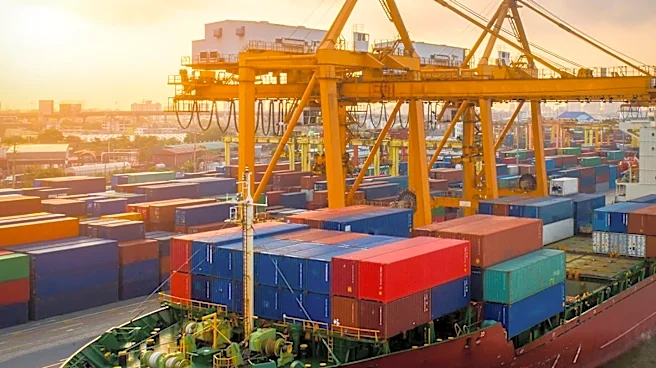
US retailers are accelerating their import schedules from China, advancing orders by up to six weeks to secure inventory for Black Friday and Christmas. This move is driven by the anticipation of potential tariff increases later in the year. Shipping
executives report that the volume of goods shipped in May and June has exceeded expectations, as businesses aim to safeguard their holiday stock. This early surge has led to increased container rates and tightened shipping capacity on China-US routes, adding financial pressure on retailers. Typically, holiday imports peak between July and September, but this year, the peak has arrived earlier due to fears of tariff changes. President Trump's recent visit to China maintained a temporary detente, but concerns persist about future tariff hikes. A 10% US tariff imposed in February is set to expire on July 24, and a proposed 12.5% tariff on imports from China and other countries is under consideration following an investigation into forced labor.
Why It's Important?
The early import rush underscores the ongoing volatility in US-China trade relations and its impact on the retail sector. Retailers are preemptively adjusting their supply chains to mitigate the risk of increased tariffs, which could significantly affect pricing and availability of goods during the crucial holiday season. The heightened shipping costs and capacity constraints could lead to increased prices for consumers, affecting purchasing power and retail sales. Additionally, the situation highlights the broader economic implications of trade policies and their influence on global supply chains. Retailers, consumers, and shipping companies are all stakeholders in this scenario, with potential gains for those who manage to secure inventory early and losses for those who face increased costs and potential shortages.
What's Next?
As the July 24 deadline for the current tariff approaches, retailers and shipping companies will be closely monitoring any policy changes. The potential implementation of a new 12.5% tariff could prompt further adjustments in import strategies. Retailers may continue to frontload orders to avoid higher costs, while shipping companies might face ongoing capacity challenges. The outcome of trade negotiations and tariff decisions will be critical in shaping the retail landscape for the remainder of the year. Stakeholders will need to remain agile and responsive to policy shifts to minimize disruptions and capitalize on market opportunities.