









What's Happening?
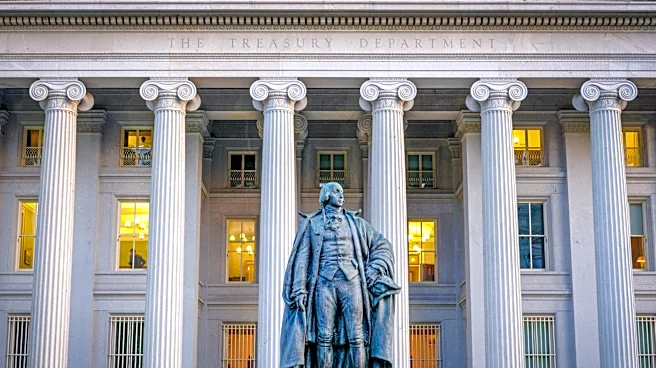
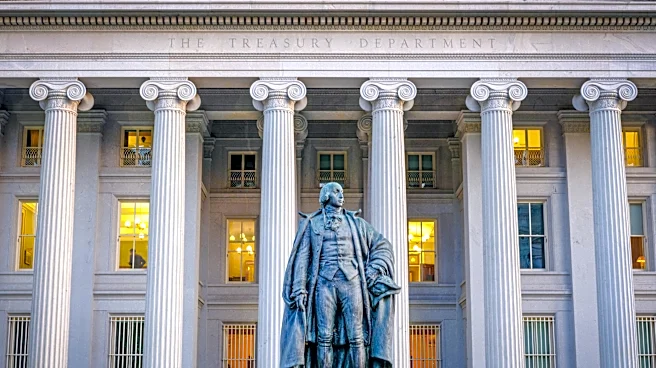
The U.S. Treasury Department's Financial Crimes Enforcement Network (FinCEN) has issued an order to sever crypto exchange MEXC Global from the U.S. financial system. This action, part of a campaign dubbed 'Operation Economic Outcast,' alleges that MEXC facilitated
at least $16 billion in illicit transactions between May 2021 and May 2026. These transactions reportedly include funds linked to sanctions evasion by Iranian, North Korean, and Russian actors, cybercrime, and other illegal activities, with nearly $2 billion specifically tied to Iranian entities or terrorist groups. The order, signed on Friday, November 6, 2026, is set to become effective 30 days after its publication in the Federal Register. FinCEN's finding, made under Section 9714(a) of the Combating Russian Money Laundering Act, designates MEXC as a primary money-laundering concern due to its ties to Russian illegal finance. Consequently, U.S. financial institutions will be prohibited from transmitting funds to or from the exchange.
Why It's Important?
This move by the U.S. Treasury underscores a significant escalation in the government's efforts to combat illicit financial flows within the cryptocurrency ecosystem. By targeting a major crypto exchange like MEXC, the Treasury aims to disrupt channels used for sanctions evasion and other criminal activities, particularly those involving state-sponsored actors. The designation under the Combating Russian Money Laundering Act highlights the U.S. commitment to isolating entities that support adversarial nations through financial means. For U.S. banks and payment firms, this order necessitates enhanced vigilance and screening processes to prevent indirect exposure to MEXC, adding a layer of compliance complexity. While American users were reportedly already blocked from MEXC, the crackdown sends a clear message to the broader crypto industry about the severe consequences of failing to adhere to anti-money laundering (AML) and sanctions regulations. This action could also influence other jurisdictions to tighten their oversight of crypto exchanges, potentially leading to a more regulated global digital asset landscape.
What's Next?
The order will take effect 30 days after its publication in the Federal Register, at which point U.S. financial institutions will be legally bound to block all fund transmissions to or from MEXC Global. This will require these institutions to update their compliance protocols and screening mechanisms to identify and prevent any transactions involving the sanctioned exchange. The Treasury's use of Section 9714, distinct from its Section 311 powers or OFAC sanctions, indicates a strategic approach to combating illicit finance in the digital asset space, suggesting that similar actions could be taken against other entities in the future. The long-term implications for MEXC Global will likely include a significant reduction in its global operational reach and a potential loss of trust among international users and partners. The broader cryptocurrency market may also see increased scrutiny from regulators, potentially leading to more stringent AML and Know Your Customer (KYC) requirements across the industry.
Beyond the Headlines
This action by FinCEN reflects a growing trend of governments asserting greater control over the decentralized and often opaque world of cryptocurrency. The 'Operation Economic Outcast' initiative signals a proactive stance by the U.S. Treasury to identify and neutralize financial threats posed by digital assets. Beyond the immediate impact on MEXC, this event highlights the ongoing tension between the innovative, borderless nature of cryptocurrency and the traditional regulatory frameworks designed to prevent financial crime and enforce national security. It also raises questions about the extent of responsibility that crypto exchanges bear for the activities conducted on their platforms, even when those activities originate from outside U.S. jurisdiction. The move could accelerate the development of more robust compliance technologies and practices within the crypto industry, as exchanges seek to avoid similar punitive measures. Ultimately, this incident contributes to the evolving narrative of how digital assets are integrated into, and regulated by, the global financial system.