





What's Happening?
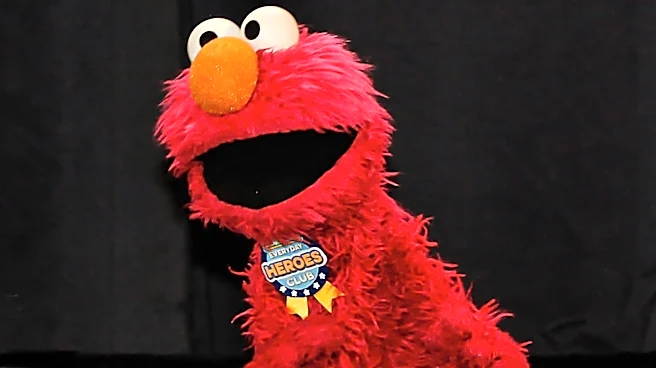
A new survey by Sesame Workshop, the educational nonprofit behind Sesame Street, indicates that U.S. parents and caregivers are increasingly concerned about the perceived unkindness in the world but are simultaneously seeing more kindness in their own
children. The 'K is for Kind Study 2026,' conducted a decade after its predecessor, found that approximately 80% of caregivers worry the world is an unkind place for children, an 11-percentage-point increase since 2016. Despite this, parents' values for their children have shifted, with 68% prioritizing considerateness over intelligence, 56% valuing compassion over confidence, and 64% favoring empathy over manners. Notably, 92% of caregivers rate their child highly for kindness, a 5-percentage point increase, and 94% reported their children performing kind acts spontaneously.
Why It's Important?
This shift in parental values and perceptions has significant implications for U.S. society and child development. The increased emphasis on empathy and compassion over traditional metrics like intelligence or confidence suggests a societal response to perceived divisions and polarization. For educational institutions and children's media, like Sesame Street, these findings underscore the importance of integrating social-emotional learning into curricula and content. The survey highlights a potential disconnect between parents' views of the broader world and their immediate experiences with their children, suggesting that while societal challenges persist, there is a hopeful trend in how kindness is being fostered at home. This could influence public policy discussions around early childhood education and community building initiatives.
What's Next?
The findings coincide with the debut of Sesame Street's 57th season, which will focus on kindness and compassion, aiming to inspire children to carry these lessons beyond the screen. This strategic alignment suggests that educational content will continue to play a crucial role in reinforcing these values. Researchers and educators may further explore the factors contributing to the perceived decline in global kindness versus the rise in individual child kindness, potentially leading to new programs or interventions. The survey's insights could also inform parenting resources and community initiatives designed to bridge the gap between family values and broader societal norms, fostering a more empathetic environment for children.
Beyond the Headlines
The survey's results hint at a deeper societal introspection regarding the impact of factors like social media and political polarization on collective kindness. The phenomenon of caregivers having a rosier view of their own children and local circumstances compared to the wider world is a common psychological observation, yet the significant shift in values over a decade is noteworthy. This suggests a conscious effort by parents to counteract negative external influences by instilling core values of empathy and consideration in their children. This trend could signify a long-term cultural shift towards prioritizing emotional intelligence and social responsibility, potentially leading to a more resilient and compassionate future generation, even amidst ongoing global challenges.