




What's Happening?
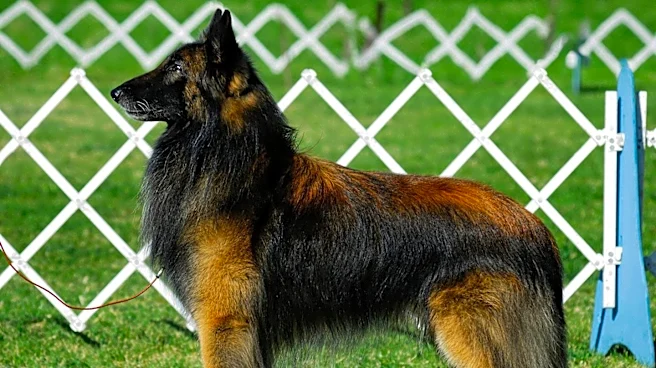
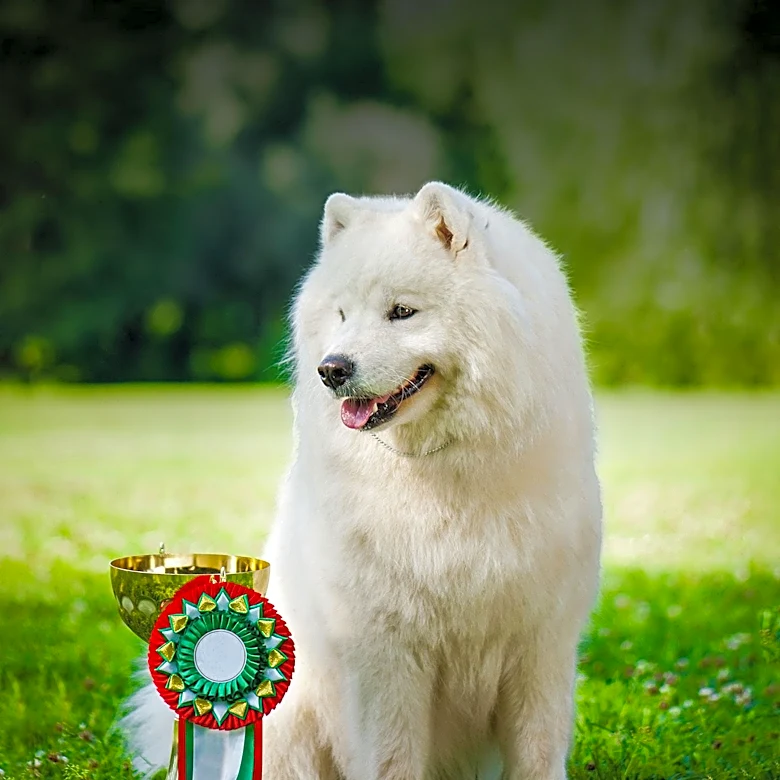
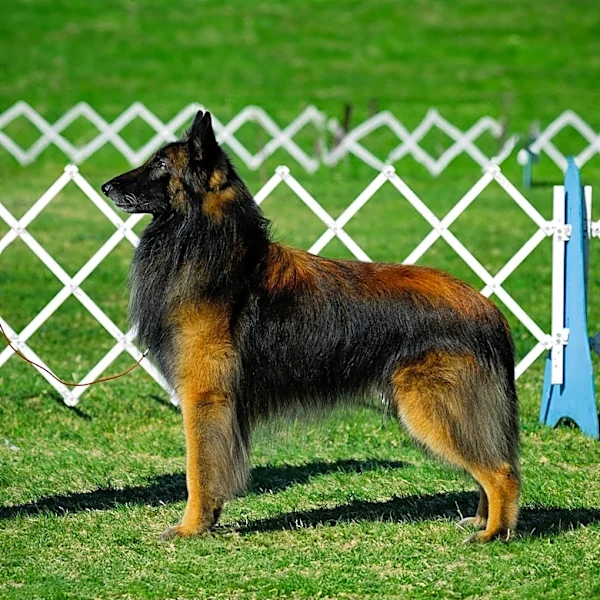
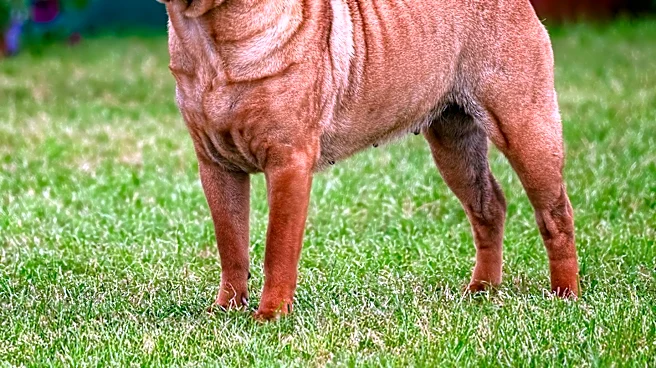
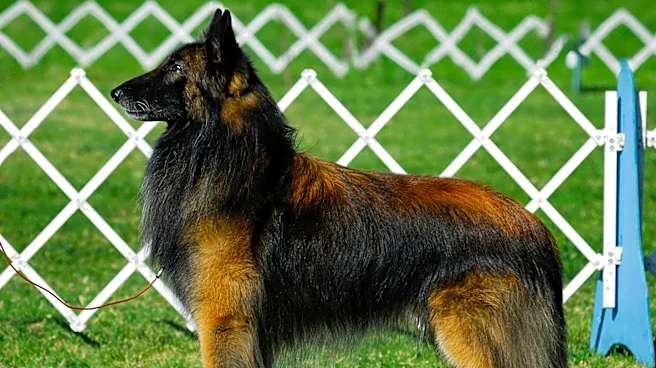
The Woodstock Dog Club held a dog show on July 10, 2026, in Tunbridge, Vermont, attracting a total of 667 entries. The event featured a variety of breeds competing for top honors in different categories. The Best in Show title was awarded to GCHP Diva’s
Sassafras Lass, a French Bulldog handled by Jodi Longmire and owned by P Hearst Shaw. The Reserve Best in Show went to GCHG Rexroth KimRo Valentina, a Miniature Pinscher handled by Kimberly Calvacca. The show was judged by Mr. David W. Haddock, with various judges overseeing specific breed categories. The event showcased the talents of both dogs and handlers, highlighting the competitive spirit and dedication within the dog show community.
Why It's Important?
Dog shows like the one hosted by the Woodstock Dog Club play a significant role in the canine community, promoting breed standards and encouraging responsible breeding practices. They provide a platform for breeders and owners to showcase their dogs, potentially increasing the value and reputation of winning breeds. Such events also foster community engagement and offer educational opportunities for the public to learn about different dog breeds and their characteristics. The success of this event underscores the popularity and cultural significance of dog shows in the U.S., contributing to the local economy through tourism and related activities.
What's Next?
Following the success of the Woodstock Dog Club show, participants and organizers are likely to prepare for upcoming events in the dog show circuit. Winners from this event may gain increased attention and opportunities for breeding, while handlers and breeders will continue to train and prepare their dogs for future competitions. The results from this show will be submitted to the American Kennel Club (AKC) for official recognition, which could impact the rankings and reputations of the participating dogs and their handlers.
Beyond the Headlines
Dog shows often reflect broader trends in pet ownership and breeding practices. They can influence public perceptions of certain breeds, potentially affecting demand and breeding priorities. Ethical considerations, such as the health and welfare of show dogs, remain a topic of discussion within the community. The emphasis on breed standards can sometimes lead to debates about genetic diversity and the potential health implications of selective breeding. As such, dog shows serve as a microcosm of larger discussions about animal welfare and responsible pet ownership.