



What's Happening?
The beauty industry is undergoing a significant transformation, moving away from a singular ideal of perfection towards an emphasis on personal beauty and individual expression. This shift is largely attributed to a collective fatigue with the pursuit
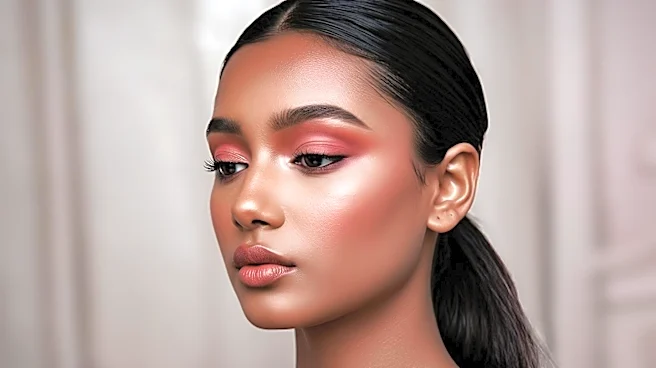
of flawless appearances, particularly exacerbated during the pandemic when many individuals spent time without makeup and reconnected with their natural features. Social media, once a platform for highly filtered and uniform beauty standards, now increasingly showcases real skin, freckles, acne marks, and diverse features, with creators openly sharing their 'no-filter' and 'morning skin' routines. Brands are responding by offering more inclusive product ranges, such as Fenty Beauty's 50 shades of foundation, and featuring models with natural skin textures. This evolution signifies a move from external validation to internal comfort, where beauty is defined by how one feels rather than how others perceive them.
Why It's Important?
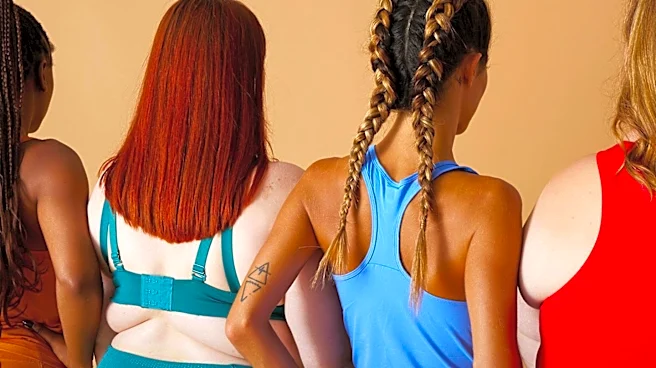
This paradigm shift in the beauty industry holds significant implications for U.S. consumers, businesses, and societal norms. For consumers, it promotes a healthier relationship with self-image, potentially reducing the psychological burden of striving for unattainable perfection. This can lead to increased self-acceptance and a more diverse representation of beauty across media. For businesses, particularly beauty brands, adapting to this trend is crucial for market relevance and growth. Companies that embrace authenticity, inclusivity, and products that enhance natural features rather than mask them are likely to gain consumer trust and loyalty. Conversely, brands that cling to outdated ideals of perfection may face declining sales and relevance. The shift also challenges the long-standing societal pressure on women to conform to narrow beauty standards, potentially fostering a more equitable and less appearance-driven culture.
What's Next?
The beauty industry is expected to continue its trajectory towards personalization and authenticity. This will likely manifest in further product innovation focusing on skin health, natural enhancement, and diverse shade ranges. Marketing campaigns will increasingly feature real people with varied skin types and features, moving away from heavily airbrushed imagery. Social media platforms will remain a key driver, with influencers and content creators continuing to champion natural beauty and self-acceptance. Consumers can anticipate a wider array of products designed to highlight individual characteristics rather than conceal perceived flaws. Additionally, there may be a growing demand for educational content that empowers individuals to understand and care for their unique skin and hair, further solidifying the trend of personal beauty over perfection.
Beyond the Headlines
The shift towards personal beauty has deeper ethical and cultural implications. Ethically, it challenges the commercial exploitation of insecurities by promoting self-love and acceptance. Culturally, it reflects a broader societal movement towards authenticity and individuality, pushing back against the homogenizing effects of mass media and consumerism. This trend could also influence other industries, such as fashion and entertainment, to adopt more inclusive and realistic representations. The long-term impact may include a redefinition of beauty standards that are less rigid and more reflective of human diversity, fostering a more inclusive and accepting society. However, the underlying societal pressures to conform to beauty standards, as highlighted by some sources, suggest that this trend coexists with ongoing expectations, indicating a complex and evolving landscape.