






What's Happening?
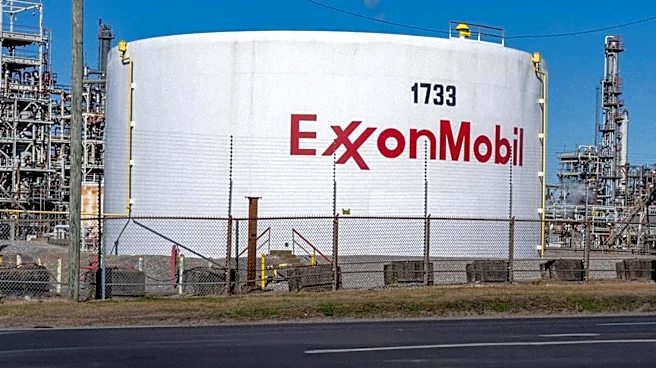
ExxonMobil has experienced a significant stock increase, rising approximately 27% this year, largely due to escalating oil prices amid geopolitical tensions, particularly the conflict in Iran. The company's upstream segment is projected to see a substantial
earnings boost in the second quarter, driven by higher realized prices rather than changes in production. This surge in stock value is also supported by robust production growth from low-cost basins, such as the Permian Basin, where ExxonMobil is now the largest operator following its acquisition of Pioneer. The company plans to double its output in the Permian Basin by 2030. Additionally, ExxonMobil's strategic focus on natural gas, tied to data center power demand, is seen as a future growth driver.
Why It's Important?
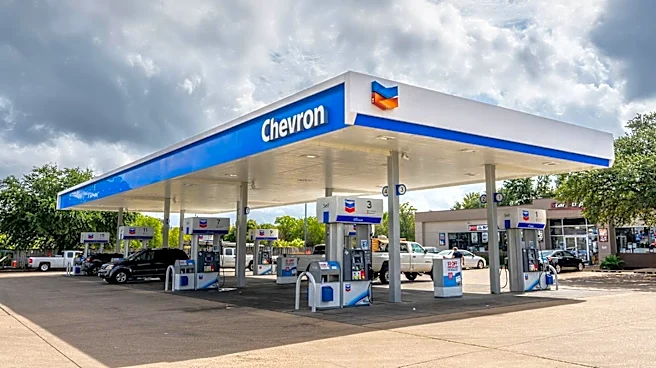
The rise in ExxonMobil's stock highlights the impact of geopolitical events on global oil markets and the financial performance of major oil companies. As oil prices increase, companies like ExxonMobil benefit from higher earnings and cash flows, which can lead to record profits. This situation underscores the volatility of the energy sector and its susceptibility to international conflicts. For investors, ExxonMobil's strong balance sheet and production growth potential make it an attractive option, especially compared to competitors like Chevron, which faces integration risks and higher valuations. The company's ability to capitalize on rising oil prices and expand production positions it well for future growth.
What's Next?
ExxonMobil's future performance will likely depend on the continuation of high oil prices and geopolitical stability. The company's plans to increase production in the Permian Basin and its focus on natural gas could drive further growth. However, potential changes in global oil demand, influenced by factors such as ceasefires in conflict zones or shifts in energy policies, could impact ExxonMobil's earnings. Investors will be watching for any developments in these areas, as well as the company's ability to maintain its competitive edge in the energy market.