


What's Happening?
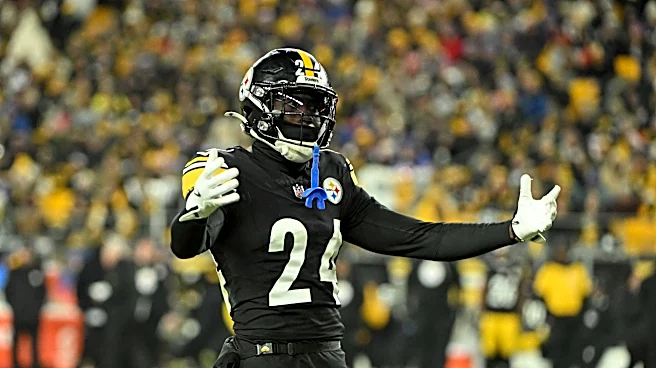
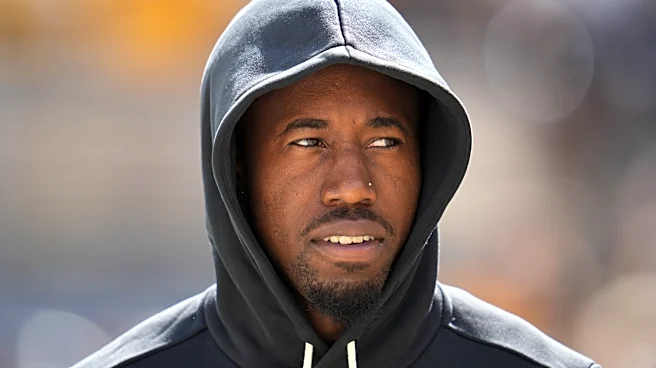
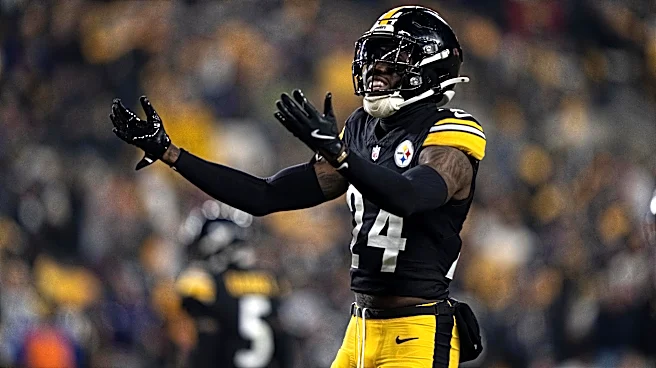
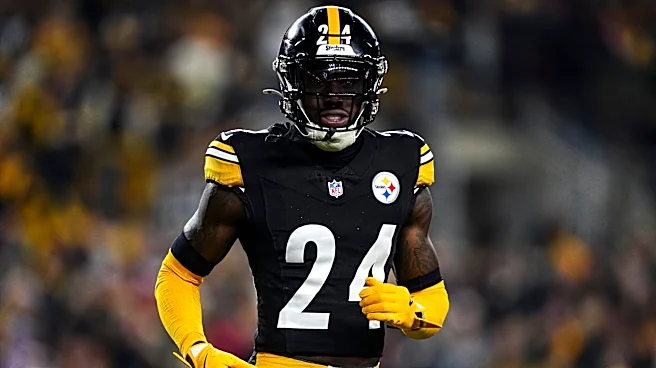
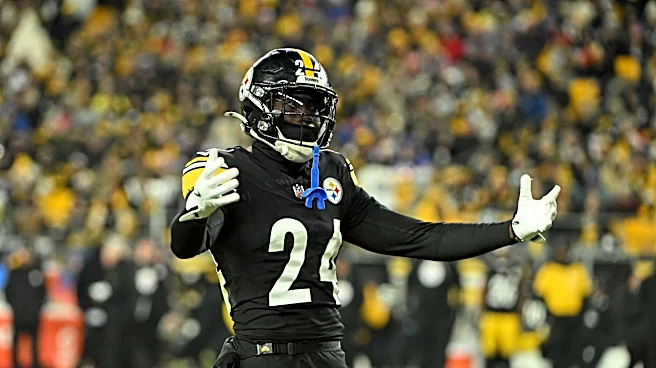
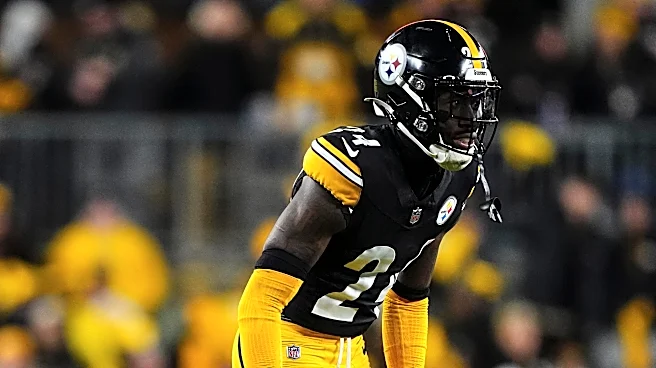
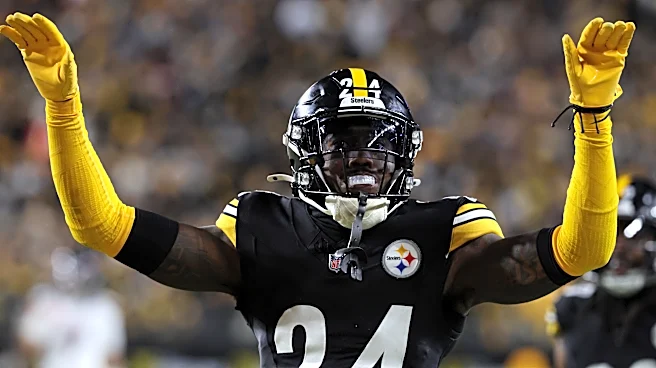
The Pittsburgh Steelers have traded starting cornerback Joey Porter Jr. to the Dallas Cowboys following a prolonged contract extension standoff. Porter reportedly sought an annual extension exceeding $30 million with substantial guarantees, while the Steelers remained
firm at approximately $27 million. The negotiations stalled, leading Porter to sit out training camp due to reported back issues, prompting the trade. In exchange, the Steelers received second- and sixth-round draft picks. This move has ignited controversy, with former Steelers running back Le’Veon Bell publicly accusing the team of racial pay disparity, stating, “I wish Pittsburgh paid their black superstars they drafted just like they pay their white ones they draft.” Bell referenced the earlier trade of wide receiver George Pickens to Dallas in May 2025, suggesting a pattern in the team's handling of contracts for its Black players. The Cowboys, however, do not plan to offer Porter an immediate extension, viewing it as a 'prove-it' scenario.
Why It's Important?
This trade and the subsequent accusations by Le’Veon Bell bring to light significant issues regarding player compensation, team financial policies, and potential racial bias within professional sports. Bell's comments, stemming from his own contentious departure from the Steelers in 2018 over contract guarantees, highlight a long-standing debate about how NFL teams value and retain their talent, particularly Black athletes. The Steelers' consistent refusal to offer fully guaranteed money beyond the first year for non-quarterbacks, a policy that even star defender T.J. Watt had to challenge, indicates a rigid financial approach. While the team's payroll records show substantial contracts for Black stars like Cameron Heyward, Minkah Fitzpatrick, and Alex Highsmith, Bell's allegations introduce a critical discussion about equity and fairness in contract negotiations, potentially impacting player-team relations and public perception across the league. The situation also underscores the financial complexities and risks involved for players seeking long-term security versus teams managing salary caps and player health concerns.
What's Next?
The immediate focus will be on Joey Porter Jr.'s performance with the Dallas Cowboys, especially given their 'prove-it' stance on his contract extension. His health and on-field contributions in his final rookie year will be crucial in determining his future earnings. For the Pittsburgh Steelers, the trade will likely intensify scrutiny of their contract negotiation practices and their perceived treatment of players, particularly in light of Le’Veon Bell's public accusations. The team may face pressure to address these concerns, either through public statements or by demonstrating a more flexible approach in future contract discussions. The NFL Players Association (NFLPA) might also monitor the situation, as allegations of racial pay disparity could prompt broader discussions about equitable compensation across the league. The Steelers will integrate their newly acquired draft capital into their team-building strategy, while the Cowboys will assess Porter's fit within their defensive scheme.
Beyond the Headlines
Beyond the immediate implications for the Steelers and Cowboys, this incident could reignite a broader conversation about systemic issues in professional sports, specifically concerning racial equity in player contracts and the power dynamics between franchises and athletes. Le’Veon Bell's accusations, while rooted in his personal history with the Steelers, tap into a larger narrative about fair compensation for Black athletes in a league where a significant majority of players are Black. The Steelers' long-standing policy of not fully guaranteeing contracts beyond the first year for non-quarterbacks, regardless of race, will be re-examined through the lens of Bell's claims. This situation could prompt other former and current players to share their experiences, potentially leading to increased advocacy for more transparent and equitable contract practices across the NFL. It also highlights the ongoing tension between a team's financial strategy and its responsibility to foster an inclusive and fair environment for all its players.