






What's Happening?
A recent article emphasizes that managing household dust is crucial for improving indoor air quality, especially for individuals with allergies or respiratory sensitivities. Dust is a complex mixture of skin flakes, pollen, pet dander, dust-mite debris,
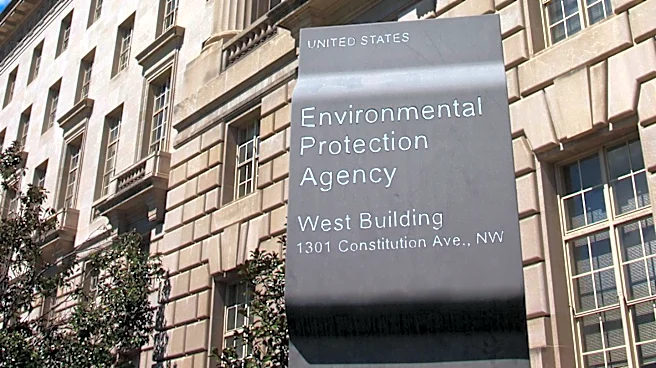
fibers, and other particles. The U.S. Environmental Protection Agency (EPA) states that while eliminating indoor particulate matter is difficult, the goal is to limit its accumulation and prevent unnecessary redistribution. The article recommends a consistent cleaning routine, starting from higher surfaces and working downwards, using damp cloths to trap particles. Proper vacuuming with slow, deliberate passes and effective filtration, such as HEPA filters, are also highlighted. Equipment maintenance, including emptying bins and cleaning filters, is essential to prevent redistributing collected dust. Furthermore, controlling dust mites, which thrive in warm, humid environments, is advised by maintaining indoor relative humidity between 30% and 50%, as referenced by the CDC.
Why It's Important?
This information is vital for U.S. households, as poor indoor air quality can significantly impact public health, particularly for children, older adults, and those with respiratory conditions. The article underscores that cleaning practices themselves can temporarily worsen air quality if not done correctly, by stirring fine particles into the air. By providing practical, actionable steps, it empowers individuals to create healthier living environments. The emphasis on humidity control directly addresses a common issue in many homes, where dust mites can proliferate and exacerbate allergies and asthma. Adopting these consistent cleaning and humidity management strategies can lead to a reduction in airborne particulate matter, potentially decreasing healthcare burdens related to respiratory illnesses and improving overall well-being for millions of Americans.
What's Next?
The article suggests that a shift from occasional intensive cleaning to shorter, more consistent routines, combined with humidity monitoring and source control, will lead to steadier indoor air quality. This implies a need for greater public education on effective cleaning methods and the importance of environmental controls within homes. Consumers may increasingly seek products and tools that support these practices, such as hygrometers for humidity measurement, high-efficiency vacuum cleaners, and allergen-resistant bedding. Furthermore, healthcare professionals may integrate these recommendations into their guidance for patients with allergies and asthma, reinforcing the link between home environment management and health outcomes. The focus on source control, like using doormats and removing shoes indoors, also points to a broader awareness of preventing outdoor pollutants from entering homes.
Beyond the Headlines
Beyond the immediate health benefits, the article touches on the broader cultural shift towards a more proactive approach to home health. The idea of 'consistency, not perfection' in cleaning routines reflects a growing understanding that environmental health is an ongoing process rather than a one-time fix. This perspective could influence product development, leading to more user-friendly and integrated home air quality solutions. Ethically, the discussion about misleading 'HEPA label alone guarantees allergen removal' highlights the importance of informed consumer choices and the potential for manufacturers to be more transparent about product performance. This could also foster a greater sense of personal responsibility for indoor environmental management, moving beyond simply reacting to symptoms to actively preventing exposure to indoor pollutants.