






What's Happening?
The initial month of private personal training is designed to establish a foundational understanding of an individual's fitness level, set realistic goals, and cultivate effective exercise habits. Rather than immediate dramatic physical changes, the focus
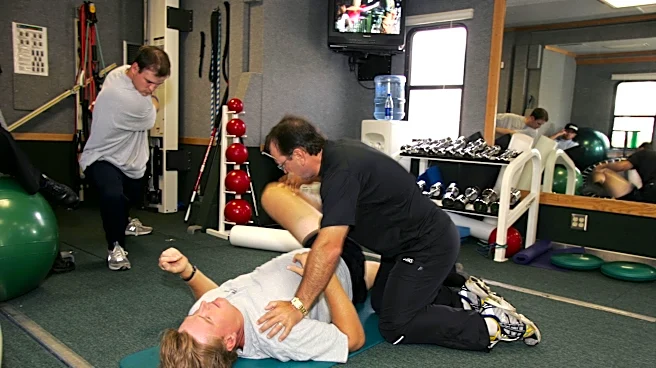
is on creating a sustainable path for progress. The first session typically involves a comprehensive discussion about the client's motivations, past exercise experiences, and aspirations, along with an assessment of basic movement patterns, mobility, balance, and endurance. Based on this, a personalized training program is developed, incorporating strength training, cardiovascular exercise, flexibility, and recovery. A key aspect of this period is learning proper exercise technique to maximize effectiveness and prevent injury, with trainers providing demonstrations and making adjustments as needed.
Why It's Important?
This structured approach to the first month of personal training is crucial for long-term fitness success. Many individuals struggle with where to begin or how to maintain consistency, and a personal trainer provides the guidance and accountability needed to overcome these hurdles. By focusing on proper technique, clients reduce their risk of injury and learn how to perform exercises effectively, building confidence that extends beyond supervised sessions. The emphasis on realistic goals and sustainable habits helps prevent burnout and fosters a positive relationship with exercise, making it more likely that individuals will continue their fitness journey. This foundational month can significantly impact an individual's ability to achieve and maintain their health and fitness objectives.
What's Next?
As the first month progresses, clients are expected to develop a clearer understanding of their body's responses to exercise and improve their technique. Trainers will also discuss the importance of nutrition, hydration, sleep, and stress management as integral components of overall fitness and recovery. By the end of the month, a review of progress will typically occur, comparing current performance against initial assessments. This review helps identify achievements, determine necessary adjustments to the program, and plan for the next phase of training, whether it involves increasing intensity, introducing new movements, or focusing on different fitness aspects. Communication between the client and trainer is emphasized as essential for a successful and adaptable training experience.
Beyond the Headlines
The first month of personal training extends beyond physical exercise, delving into the psychological and behavioral aspects of health. It helps individuals develop self-efficacy and intrinsic motivation by providing a supportive environment where questions are encouraged and progress is measured holistically. This period can transform how individuals perceive exercise—from a chore to an empowering activity—by fostering a sense of mastery and control over their physical well-being. The personalized nature of the training acknowledges that fitness journeys are unique, promoting self-acceptance and discouraging comparisons with others. Ultimately, this foundational month aims to instill a lifelong commitment to health by building sustainable habits and a deeper understanding of one's own body.