






What's Happening?
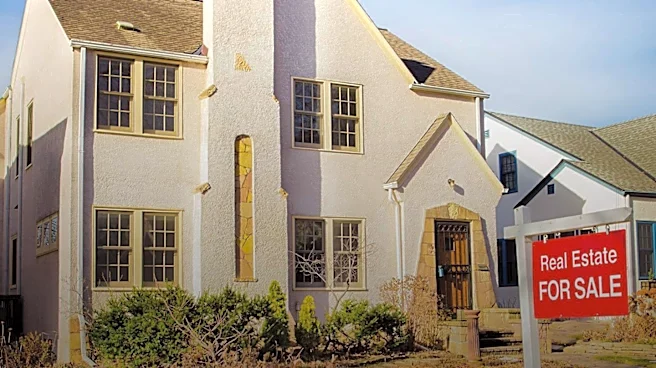
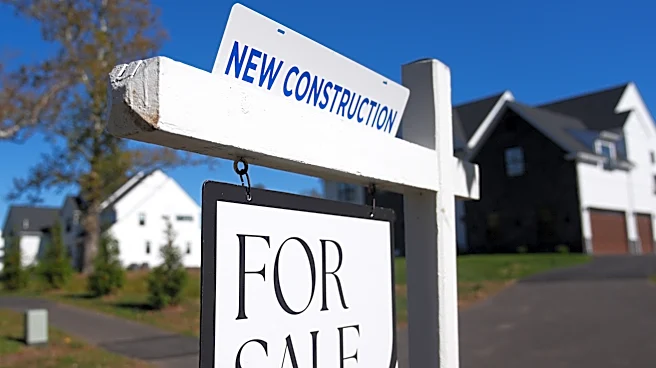
Sales of new U.S. single-family homes rose by 1.6% in June, reaching a seasonally adjusted annualized rate of 628,000 units, according to the Commerce Department's Census Bureau. This increase follows a two-month decline, although higher mortgage rates
and prices continue to challenge potential buyers. The median new house price decreased by 2.7% year-over-year to $398,300. Despite the rise in sales, the housing market remains under pressure due to steep borrowing costs. The average 30-year mortgage rate has climbed to 6.58%, the highest since last August, driven by inflation concerns and rising global oil prices.
Why It's Important?
The increase in new home sales, despite high mortgage rates, indicates a complex housing market landscape. The rise in borrowing costs, influenced by inflation and global economic factors, poses a significant challenge for potential homebuyers, potentially slowing down the housing market recovery. The Federal Reserve's upcoming policy decisions, particularly regarding interest rate hikes, will be crucial in shaping the future of the housing market. The current economic environment, marked by high inflation and rising interest rates, could lead to further volatility in the housing sector, affecting both buyers and sellers.
What's Next?
The Federal Reserve is expected to hold a policy meeting soon, with markets anticipating potential interest rate hikes in response to ongoing inflation concerns. This could further impact mortgage rates and the housing market. Stakeholders, including homebuyers, real estate developers, and financial institutions, will be closely monitoring these developments. The bond market's reaction, particularly the yields on ten-year Treasury notes, will also play a critical role in determining future mortgage rates and housing market trends.