


What's Happening?
The fashion industry is undergoing a significant transformation, moving away from its historical obsession with a singular 'perfect body' ideal. Traditionally, clothing designs often compelled individuals to conform their bodies to garments, as evidenced
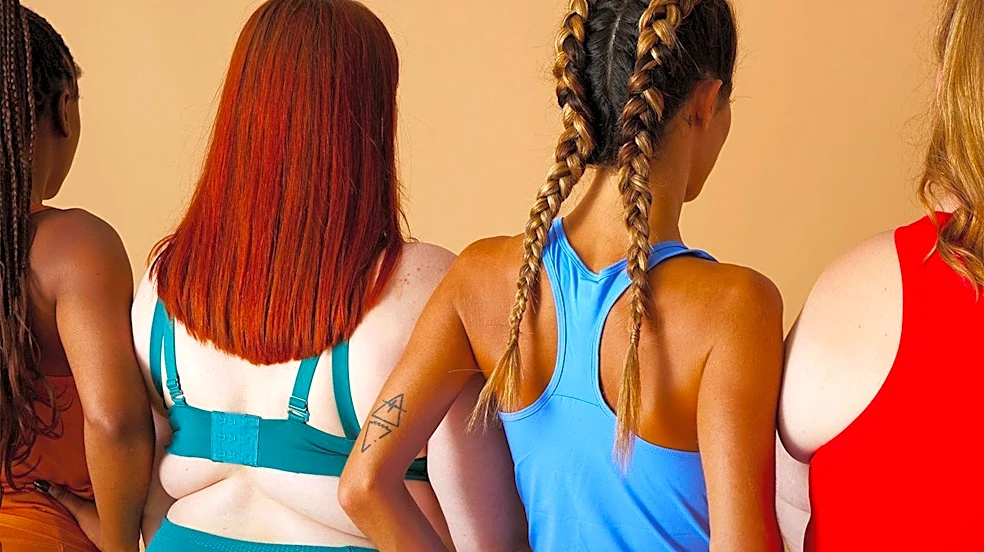
by historical practices like corsetry and the consistent thinness of runway models over decades. However, a growing movement, fueled by body positivity and consumer demand, is pushing designers to create clothing that accommodates diverse body shapes and sizes. This shift is reflected in the increasing availability of adaptive clothing, a wider range of sizes, and a focus on comfort and fit that works with the natural body, rather than requiring the body to change. Social media has played a crucial role in this evolution, allowing consumers to share real-world experiences with clothing fit and exposing discrepancies between marketing and reality.
Why It's Important?
This paradigm shift in the fashion industry holds significant implications for consumers and the broader retail landscape in the U.S. For consumers, it means a potential reduction in the psychological pressure to achieve an often unrealistic 'ideal body,' fostering greater self-acceptance and comfort in their clothing choices. The emphasis on inclusive sizing and adaptive designs will make fashion more accessible to a wider demographic, including individuals with disabilities, who have historically been underserved. For businesses, embracing this trend is becoming a competitive necessity. Retailers and designers who prioritize inclusivity and comfort are likely to gain market share and build stronger brand loyalty. Conversely, those who cling to outdated ideals risk alienating a significant portion of the consumer base. This movement also challenges long-standing manufacturing practices, pushing for more thoughtful design processes that consider diverse body proportions from the outset, rather than simply scaling up existing patterns.
What's Next?
The fashion industry is expected to continue its trajectory towards greater inclusivity. Designers like Ester Manas are already incorporating diverse body shapes into their design processes from the initial stages, a practice likely to become more widespread. The Council of Fashion Designers of America (CFDA) recognizes the need for tools and resources to support designers in this transition, indicating a concerted effort within the industry to facilitate change. Consumers can anticipate a continued expansion of inclusive sizing, more adaptive clothing options, and a greater focus on comfort in everyday wear. The influence of social media will likely grow, with platforms serving as crucial forums for consumers to share feedback and hold brands accountable for their inclusivity efforts. This ongoing evolution will necessitate continuous innovation in design, manufacturing, and retail strategies to meet the demands of a more diverse and body-positive consumer base.
Beyond the Headlines
Beyond the immediate impact on clothing design and retail, this shift in the fashion industry reflects deeper societal changes regarding body image and self-acceptance. The fading obsession with a singular 'perfect body' challenges entrenched beauty standards that have historically contributed to body dissatisfaction and negative self-perception. This movement encourages a more holistic view of beauty, celebrating diversity and individuality. Ethically, it prompts a re-evaluation of how fashion brands communicate with and represent their consumers, moving towards more authentic and representative marketing. Culturally, it signifies a growing demand for industries to be more responsive to the needs and realities of all people, rather than perpetuating narrow ideals. In the long term, this could lead to a more empathetic and inclusive consumer culture, where personal comfort and expression are valued above conformity to arbitrary standards.