
What's Happening?
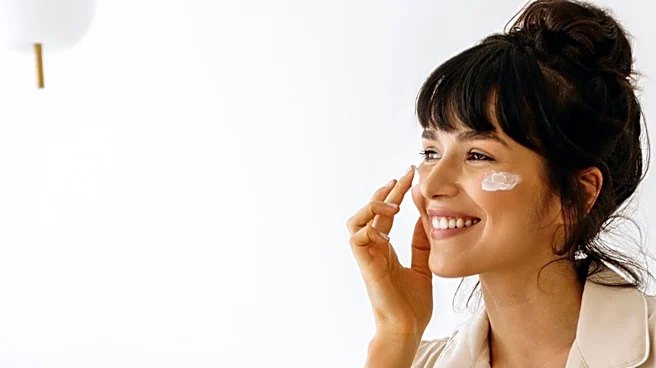
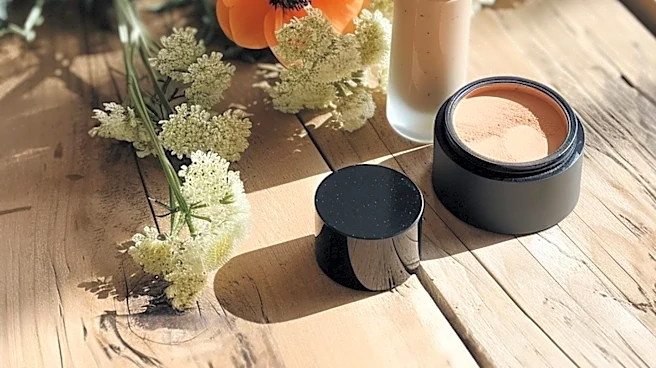
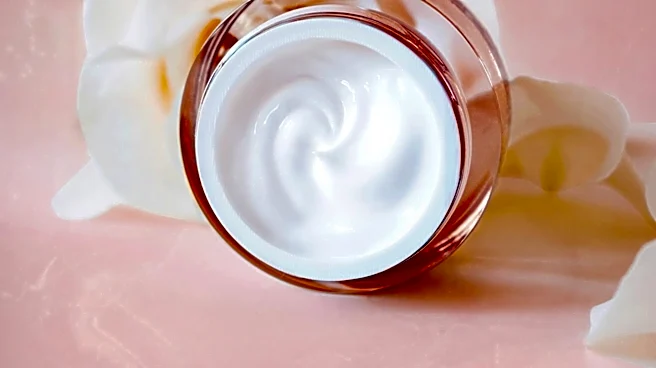
Balm foundations are gaining significant traction as the next major trend in makeup, offering a natural-looking complexion. These products, which start as a solid or semi-solid emulsion, transform into a thin, lightweight layer upon application, often
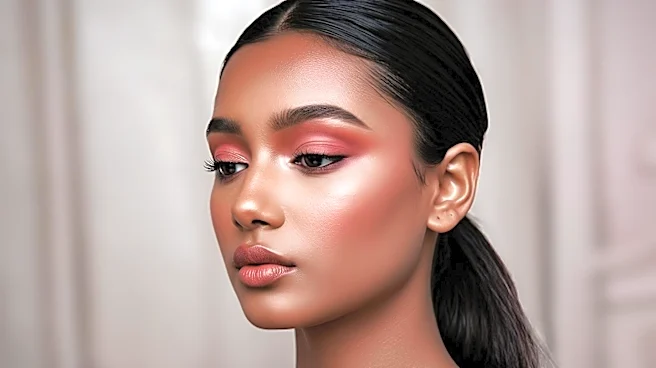
feeling like they melt into the skin. A notable sub-category is 'water-infused foundation balms,' which combine a solid form with a high concentration of water and hydrating components. This innovation allows for a 'second skin' effect, where the complexion is visually unified while the skin's natural texture remains visible, moving away from the heavy, full-coverage foundations of the past. The appeal of balm foundations lies in their practical solid texture, multi-functional formulas that often include hydrating ingredients like hyaluronic acid and glycerin, and their ability to provide a buildable, natural finish without a mask-like feel.
Why It's Important?
The rise of balm foundations signifies a notable shift in consumer preferences within the U.S. beauty market, aligning with the broader 'skinimalism' trend. This movement prioritizes fewer, more effective, and natural-looking products, which can impact product development and marketing strategies for U.S. cosmetic companies. Brands that can successfully integrate skincare benefits into makeup, offering multi-functional products that simplify routines, are likely to gain a competitive edge. This trend also reflects a growing consumer demand for transparency and authenticity in beauty, moving away from heavily concealed looks towards enhancing natural features. For consumers, it means access to products that offer both cosmetic coverage and skincare advantages, potentially leading to more efficient and healthier beauty routines. The emphasis on lightweight, buildable coverage could also influence how beauty standards are perceived and promoted in media and advertising.
What's Next?
The increasing popularity of balm foundations suggests that U.S. beauty brands will likely invest more in developing and marketing similar multi-functional, skin-enhancing makeup products. Consumers can expect to see a wider array of balm foundations, water-infused formulas, and other hybrid products that blend makeup with skincare benefits. This trend may also lead to innovations in product textures and application methods, focusing on ease of use and natural finishes. Retailers might adjust their merchandising to highlight products that support 'skinimalism' and simplified beauty routines. Furthermore, the success of balm foundations could encourage a broader industry shift towards formulations that prioritize skin health and natural aesthetics, potentially influencing other makeup categories to adopt similar 'second skin' effects and integrated skincare ingredients. This could also lead to increased consumer education on the benefits of minimalist beauty approaches.
Beyond the Headlines
The emergence of balm foundations and the 'skinimalism' trend reflect a deeper cultural shift towards authenticity and self-acceptance in beauty. Beyond the functional benefits of simplified routines and multi-functional products, this movement challenges the long-standing societal pressure for flawless, heavily made-up appearances. It encourages individuals to embrace their natural skin texture and prioritize skin health over concealment. This shift has ethical implications for the beauty industry, pushing brands to promote realistic beauty standards and focus on enhancing natural features rather than masking them. It also highlights a growing consumer consciousness about product ingredients and their long-term effects on skin health. Ultimately, this trend could foster a more empowering and less prescriptive approach to beauty, where personal comfort and well-being take precedence over external ideals, potentially leading to a more inclusive and diverse representation of beauty in media.