








What's Happening?
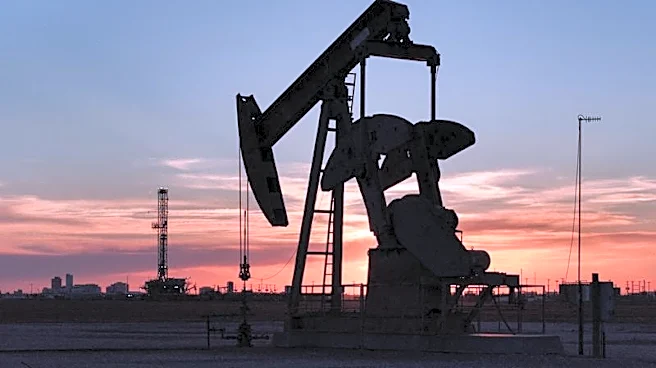
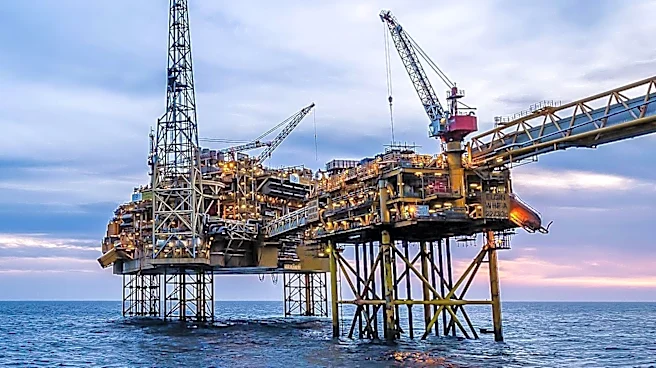
Azerbaijan's energy ministry announced that the country's oil production reached 19.9 million metric tons between January and September. During this period, BP, a major player in Azerbaijan's energy sector, contributed 11.8 million tons of oil. The nation
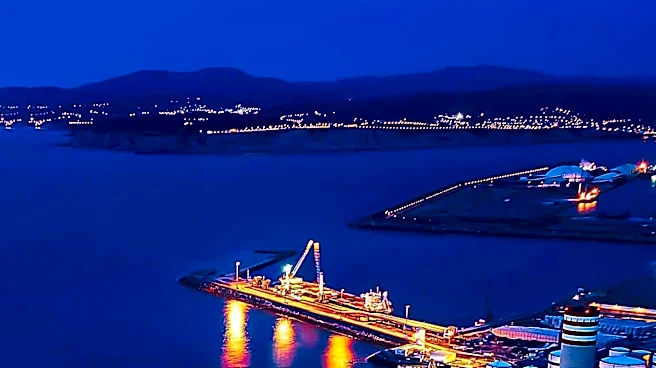
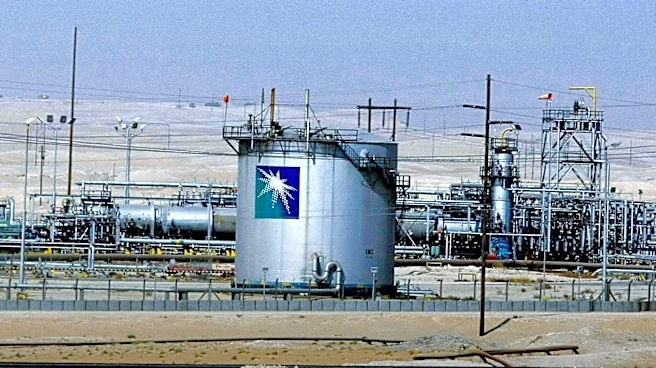
also exported 15.5 million tons of oil with condensate. In terms of natural gas, Azerbaijan supplied 8.6 billion cubic meters to Europe over the same nine-month period. These figures highlight Azerbaijan's ongoing role as a significant energy producer and exporter, particularly to the European market, as reported by the energy ministry on Thursday.
Why It's Important?
Azerbaijan's consistent oil and gas production and export figures are important for global energy markets, especially for European energy security. As Europe seeks to diversify its energy sources, Azerbaijan's natural gas exports play a crucial role in meeting demand and reducing reliance on other suppliers. The substantial oil production also contributes to global crude oil supply, influencing international oil prices and the stability of the energy sector. For the U.S., while not a direct recipient of Azerbaijani gas, the stability of global energy markets and the energy security of its European allies are strategic interests. Fluctuations in supply from key producers like Azerbaijan can have ripple effects on global energy prices and geopolitical dynamics, impacting U.S. economic and foreign policy considerations.
What's Next?
The reported production and export levels suggest that Azerbaijan will likely continue its role as a key energy supplier to Europe and the global market. Future developments will depend on global energy demand, geopolitical stability in the region, and any potential changes in production quotas by organizations like OPEC+. The ongoing energy transition and Europe's long-term energy strategies will also influence the demand for Azerbaijani gas. Monitoring these factors will be crucial for understanding the future trajectory of Azerbaijan's energy sector and its implications for international energy markets. Any shifts in production or export volumes could impact energy prices and supply chains globally.
Beyond the Headlines
Beyond the immediate production numbers, Azerbaijan's energy exports are deeply intertwined with its geopolitical standing and regional influence. Its role as an energy corridor between the Caspian Sea and Europe positions it as a strategic partner for various international actors. The revenue generated from oil and gas exports significantly underpins the Azerbaijani economy, influencing its domestic policies and development initiatives. Furthermore, the environmental implications of continued fossil fuel production and export are a growing concern, aligning with broader global discussions on climate change and sustainable energy. The long-term sustainability of these exports will depend on both market demand and the country's ability to adapt to evolving global energy policies and environmental standards.