





What's Happening?
Global spending on Artificial Intelligence (AI) infrastructure is forecast to increase by 53% to US$ 2.4 trillion in 2027, according to analysts Gartner. This figure will represent 59% of the total worldwide AI expenditure. Overall AI spending is projected
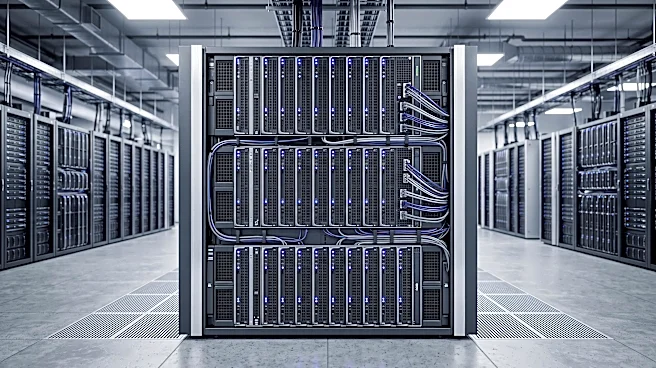
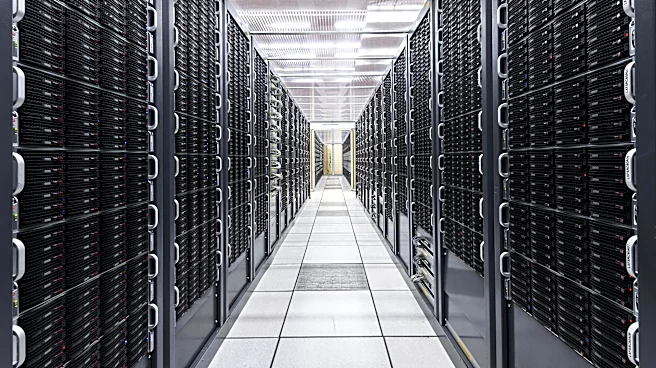
to rise by 47.5% to US$ 4.05 trillion. A significant portion of this growth is attributed to spending on AI-optimized servers, which is the largest infrastructure category. This category alone is expected to increase from US$ 527.6 billion in 2026 to US$ 957.2 billion in 2027, highlighting the substantial investment in the foundational hardware necessary to support AI technologies.
Why It's Important?
This massive projected increase in AI infrastructure spending underscores the critical role AI is playing in global technological advancement and economic growth. For the U.S., this trend signifies a continued push towards AI integration across industries, from technology and finance to healthcare and manufacturing. The substantial investment in AI-optimized servers indicates that companies are building robust computational foundations to handle complex AI workloads, which will drive innovation and efficiency. This surge in spending will benefit U.S. technology companies specializing in AI hardware, software, and cloud services, potentially creating new jobs and fostering economic expansion. It also highlights the strategic importance of maintaining a competitive edge in AI development and deployment, as nations and corporations vie for leadership in this transformative field.
What's Next?
The trajectory of AI infrastructure spending suggests a sustained period of growth and investment in foundational AI technologies. Companies will continue to prioritize the acquisition and deployment of AI-optimized servers and related infrastructure to support their AI initiatives. This will likely lead to further advancements in hardware capabilities, energy efficiency, and specialized AI processors. The increasing proportion of AI infrastructure spending within total AI expenditure indicates that the focus remains on building the core capabilities before widespread application. This trend will also drive demand for skilled professionals in AI engineering, data science, and infrastructure management, necessitating ongoing talent development and educational programs.
Beyond the Headlines
The immense financial commitment to AI infrastructure raises broader questions about resource allocation, environmental impact, and technological accessibility. The energy consumption of large-scale AI data centers is a growing concern, prompting innovation in sustainable computing and cooling technologies. Furthermore, the concentration of AI infrastructure development among a few major players could lead to concerns about market dominance and potential barriers to entry for smaller innovators. The ethical implications of powerful AI systems, from data privacy to algorithmic bias, will become more pressing as these infrastructures become more pervasive. Ensuring equitable access to AI capabilities and mitigating potential societal disruptions will be crucial considerations as this spending trend continues.