






What's Happening?
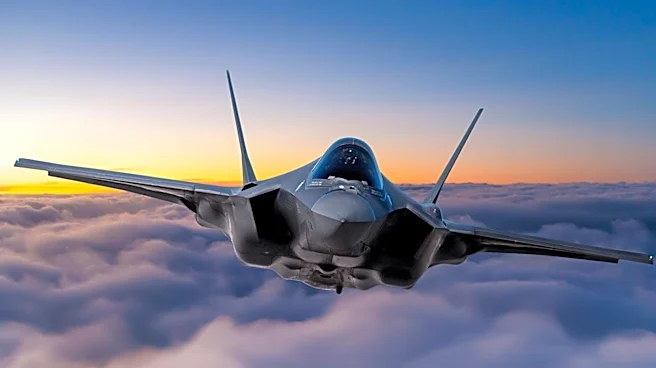
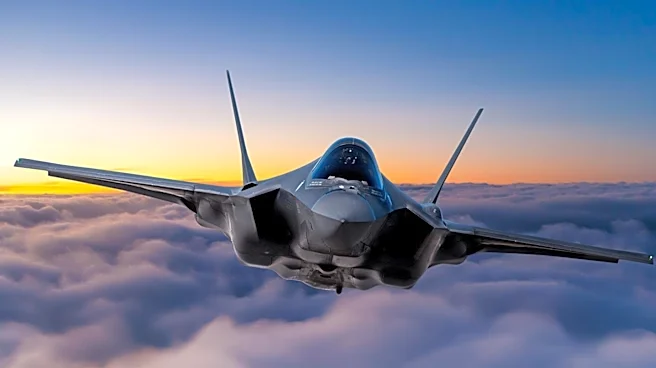
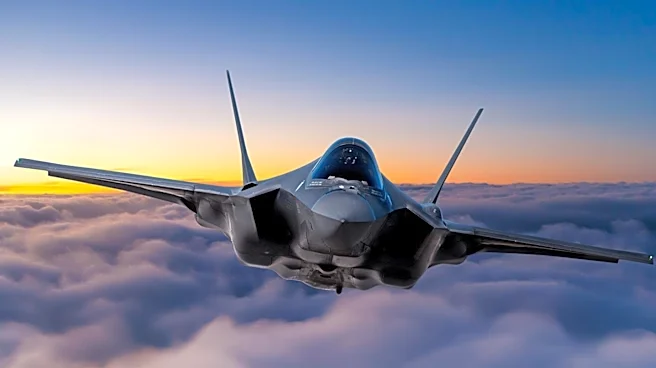
Lockheed Martin is significantly increasing its investments across key defense programs, including the F-35 fighter jet, the PAC-3 missile system, and its autonomous aircraft program, Vectis. This strategic move is a response to sustained military demand
and aims to expand production capacity, strengthen supplier networks, and advance new technologies. The company reported third-quarter revenue of approximately $20.71 billion, an 11% increase year-over-year, with a record backlog of about $292 billion. Lockheed Martin is working with the U.S. government on multiyear agreements to boost production of PAC-3 Missile Segment Enhancement interceptors and has announced investments of approximately $8 billion to $9 billion across its munitions enterprise. For the F-35 program, a multiyear framework agreement with the U.S. Department of Defense covers at least 850 aircraft over a 10-year period, with Lockheed Martin planning to invest at least $7 billion in supporting initiatives. The Vectis autonomous aircraft program, developed by its Skunk Works division, is being expanded with four additional vehicles, with a planned first flight in 2027.
Why It's Important?
This substantial investment by Lockheed Martin is critical for the U.S. defense industry, signaling a proactive approach to meeting current and future military requirements. The F-35 framework provides long-term production stability, which can lead to improved supply-chain resilience and potentially reduced costs through more predictable procurement. Increased production of PAC-3 missiles addresses growing global demand for missile defense systems, enhancing U.S. and allied military readiness. The expansion of the Vectis autonomous aircraft program is a forward-looking investment in next-generation military capabilities, positioning the U.S. at the forefront of autonomous aerial technology. These investments extend beyond Lockheed Martin's own factories, emphasizing supplier capacity, workforce development, and manufacturing processes, which will have a ripple effect across the broader U.S. defense supply chain. This strategy aims to balance immediate revenue opportunities with long-term technological development, ensuring the U.S. military maintains a technological edge.
What's Next?
The multiyear framework for F-35 production is not yet a final purchase contract, meaning formal terms, pricing, and schedules are subject to further agreements and necessary government approvals and funding. Lockheed Martin's ability to deliver on its investment strategy will depend on the successful implementation of these agreements, supplier performance, and the terms of eventual contracts. The Vectis autonomous aircraft program is progressing towards its planned first flight in 2027, and its future scale will depend on public procurement decisions. The company's focus on expanding production capacity for PAC-3 missiles will require continued collaboration with the U.S. government and its supply chain to meet increased demand. The success of these initiatives will be judged not only by the size of Lockheed Martin's commitments but also by its ability to deliver equipment on schedule and manage costs effectively, influencing future defense budgets and procurement strategies.
Beyond the Headlines
Lockheed Martin's investment strategy reflects a broader shift within the U.S. defense industry towards enhancing production capacity, strengthening supply chain resilience, and accelerating the development of advanced capabilities. This approach highlights the increasing importance of autonomous systems in future military operations, as exemplified by the Vectis program. The emphasis on supplier capacity and workforce development underscores the intricate interdependencies within the defense industrial base, where the strength of the entire ecosystem is crucial for national security. The balance between investing in established, high-demand platforms like the F-35 and PAC-3, and pioneering new technologies like autonomous aircraft, illustrates a strategic imperative to address both immediate threats and long-term technological superiority. This strategy also carries economic implications, as significant investments in manufacturing and technology can create jobs and stimulate growth in various sectors across the U.S.