




What's Happening?
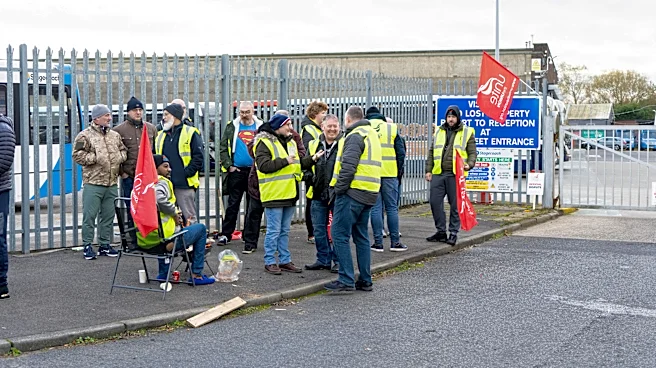
The union representing workers at WE Soda's trona and soda ash operations in southwest Wyoming is urging Governor Mark Gordon to halt a pending $13 million state taxpayer-funded grant request for the company. This opposition comes after WE Soda announced
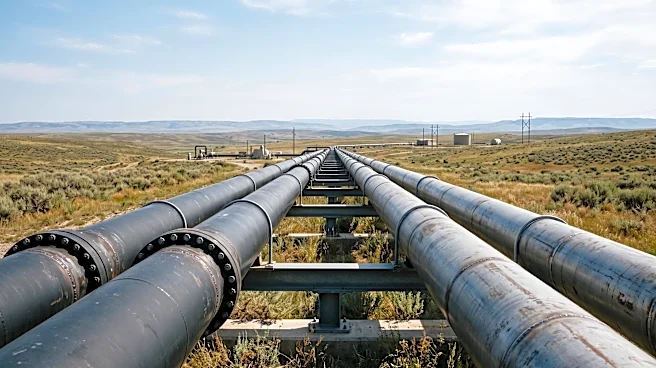
it would cut 350 jobs at its Westvaco operations over the next two years, with 274 workers facing layoffs starting in January. Marshal Cummings, president of United Steelworkers Local 13214, called for a freeze on the funds until workers are assured of their employment at WE Soda. The company's rationale for the layoffs is a planned shift from underground mining to drill-and-pump solution mining, and it seeks the grant to build a high-pressure natural gas supply connection to replace its expiring coal contract. The Wyoming Energy Authority had recommended approving the grant last month, prior to the layoff announcement, and is currently in a public comment period that concludes Monday. Governor Gordon has the sole discretion to approve, deny, or approve with conditions. Both Governor Gordon and Governor-elect Eric Barlow have expressed concern for the affected miners and their families.
Why It's Important?
This situation highlights a significant conflict between corporate operational changes, worker welfare, and the allocation of state funds intended for economic development. The union's opposition underscores the immediate human impact of corporate decisions, particularly when public funds are involved. For Wyoming, a state heavily reliant on energy and mining industries, the layoffs at WE Soda represent a substantial blow to the local economy and community in Sweetwater County. The Energy Dominance Fund, from which the grant is requested, was established to create jobs and support economic growth, making the current situation a test of its intended purpose. The debate over whether to provide a grant to a company simultaneously laying off a significant portion of its workforce raises questions about corporate accountability and the conditions under which public subsidies should be granted. It also puts local elected officials in a difficult position, balancing the long-term viability of an industrial operation with the immediate needs of its workforce and the broader community.
What's Next?
The public comment period for WE Soda's grant request concludes on Monday, after which the Wyoming Energy Authority will forward its recommendation, along with public comments, to Governor Mark Gordon. Governor Gordon will then make a decision on whether to approve, deny, or condition the $13 million grant. The union and its supporters will likely continue to advocate for the protection of workers' jobs as a condition for any state funding. The initial 274 layoffs are scheduled to begin in January, which will further intensify the economic impact on Sweetwater County. The situation may also prompt a re-evaluation of the criteria and oversight mechanisms for the Energy Dominance Fund to ensure that its investments align with job creation and economic stability. The outcome of this decision could set a precedent for how Wyoming handles similar situations involving state grants and corporate workforce reductions in the future.
Beyond the Headlines
This event touches upon the broader ethical considerations of corporate responsibility, particularly when companies transition their operational models. The shift from underground to solution mining, while potentially more efficient or environmentally compliant in some aspects, has direct and severe consequences for the workforce. The controversy also highlights the tension between supporting established industries through public funds and ensuring that such support directly benefits the local populace, especially in terms of employment. The use of severance tax revenue from energy extraction to fund energy projects, as is the case with Wyoming's Energy Dominance Fund, creates a complex dynamic where the very industries that generate the funds are also recipients, raising questions about circular economic dependencies. This scenario could lead to increased scrutiny of corporate practices and calls for stronger labor protections and community benefit agreements in future state-funded projects, particularly in resource-dependent regions.