






What's Happening?
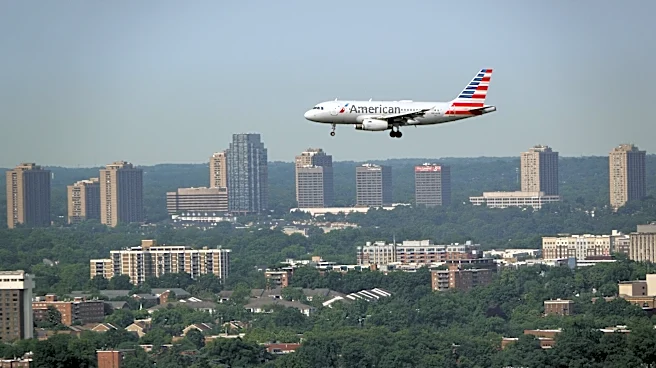
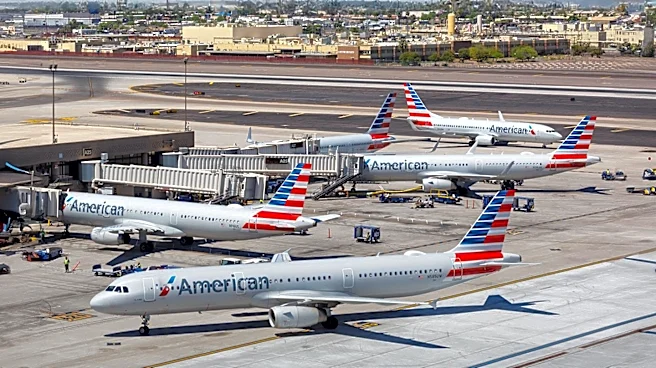
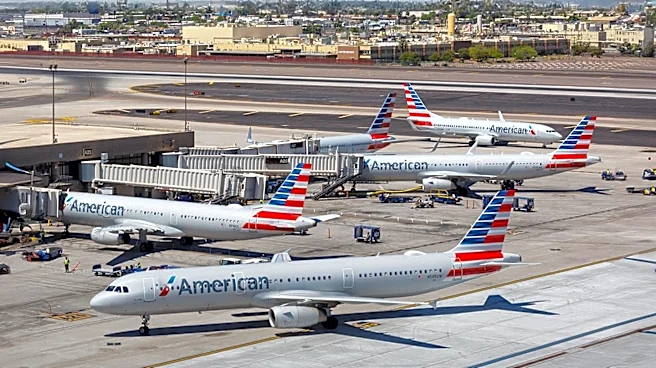
American Airlines has reached a significant milestone, adding its 500th Airbus aircraft to its fleet. The U.S. carrier announced this achievement on social media, featuring a photograph of an A321neo alongside a commemorative number. American Airlines is currently
the world's largest operator of the Airbus A320 family, which constitutes nearly half of its mainline fleet. The airline's relationship with Airbus began in 1988 with the delivery of its first A300-600, which complemented its Boeing 767 fleet on international routes, particularly to the Caribbean. After operating 35 A300-600s, the last of which was retired in 2009, American Airlines temporarily operated without Airbus jets for nearly four years. The airline re-engaged with Airbus in July 2011 with a substantial order for 260 single-aisle aircraft, split between the original A320 family and the A320neo family. This order was part of a larger purchase of 460 aircraft, including 200 Boeing 737s, aimed at replacing older models. The first A319 from this order was delivered in July 2013, shortly before American's merger with US Airways, another major Airbus customer, which further expanded its Airbus fleet.
Why It's Important?
This milestone highlights American Airlines' long-standing and expanding commitment to Airbus aircraft, particularly the A320 family, which forms a substantial portion of its operational fleet. Being the world's largest operator of the A320 family signifies the airline's strategic reliance on these aircraft for its domestic and short-to-medium-haul international routes. The integration of 500 Airbus aircraft reflects significant investment in fleet modernization and operational efficiency. The A321, in particular, has become the dominant Airbus model in American's fleet, including the A321-200, A321neo, and the long-range A321XLR, indicating a strategic choice for capacity and range. This extensive fleet integration also has implications for maintenance, pilot training, and spare parts logistics, creating a robust operational ecosystem around Airbus products within American Airlines. The airline's fleet decisions influence the broader aviation industry, impacting aircraft manufacturers, suppliers, and other airlines' fleet strategies.
What's Next?
American Airlines will likely continue to integrate new Airbus aircraft, particularly the A321neo and A321XLR models, as part of its ongoing fleet modernization strategy. The airline's continued reliance on the A320 family suggests further investments in related infrastructure, such as maintenance facilities and pilot training programs tailored for these aircraft. As the A321 becomes increasingly dominant in its fleet, American Airlines may further optimize its route network to leverage the aircraft's capabilities, including its long-range variants. The airline's operational performance and passenger experience will continue to be shaped by the characteristics of its Airbus fleet. Future fleet decisions will also be influenced by market demand, fuel efficiency goals, and technological advancements in aircraft design, potentially leading to further orders or modifications to existing ones.
Beyond the Headlines
The milestone of 500 Airbus aircraft for American Airlines underscores the intense competition and strategic choices airlines make between major aircraft manufacturers like Airbus and Boeing. While American Airlines maintains a mixed fleet, its significant investment in Airbus aircraft reflects a diversification strategy that mitigates risks associated with relying on a single manufacturer. This long-term relationship also fosters a deeper collaboration between the airline and Airbus, potentially influencing future aircraft development and customization. The dominance of the A321 family in American's fleet highlights a broader industry trend towards single-aisle aircraft for a wider range of routes, including longer ones, due to their fuel efficiency and operational flexibility. This strategic choice impacts not only the airline's operational costs but also its environmental footprint and competitive positioning in the global aviation market.