





What's Happening?
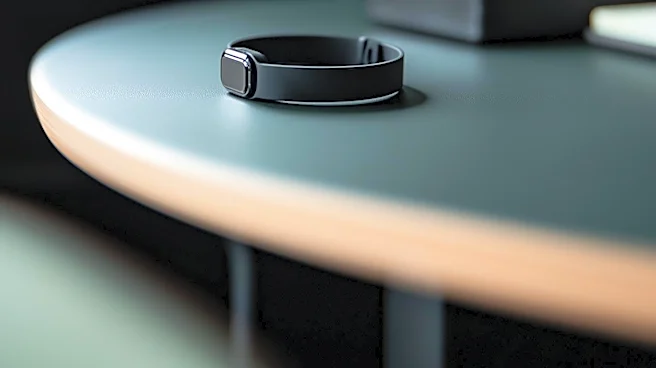
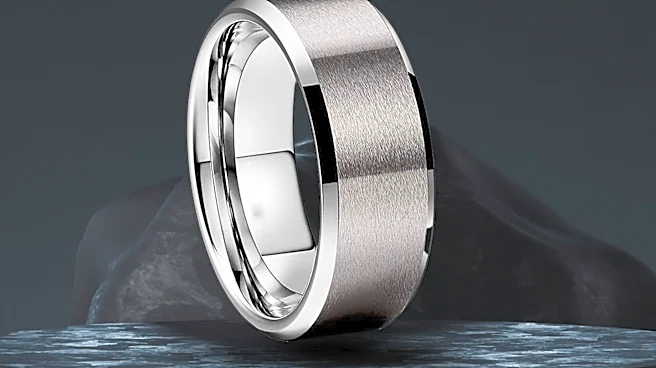
Wearable sleep trackers, such as the Oura Ring and certain Fitbit models, provide generally reasonable estimates of overall sleep patterns, according to a 2026 review and meta-analysis. These devices tend to overestimate total sleep and sleep efficiency
while underestimating the time individuals spend awake. While some trackers show closer alignment with laboratory polysomnography (PSG) for specific metrics like sleep latency, deep sleep, and REM sleep, no single device consistently outperforms others across all parameters. The review emphasizes that these wearables should not be used as standalone diagnostic tools due to their proprietary algorithms and the inherent differences in how they estimate sleep stages compared to lab-based methods, which incorporate brain waves, eye movement, and muscle tone. The accuracy of detailed sleep-stage numbers from these devices requires careful interpretation, as small shifts can often be attributed to noise rather than significant physiological changes. For instance, resting heart rate and heart rate variability (HRV) are considered more reliable metrics from wearables as they are derived directly from pulse signals.
Why It's Important?
The widespread adoption of wearable sleep trackers has significant implications for public health and personal wellness in the U.S. While these devices offer accessible insights into sleep habits, their limitations in diagnostic accuracy mean that users might misinterpret data, potentially leading to unnecessary anxiety or a false sense of security regarding their sleep health. For the healthcare industry, this highlights a gap between consumer technology and clinical standards, underscoring the need for clearer guidelines on how wearable data should be integrated into patient care. Individuals relying on these devices for self-diagnosis or to track the efficacy of interventions like magnesium supplementation may draw inaccurate conclusions, as trials using sleep rings have shown mixed results regarding changes in deep or REM sleep. This situation also impacts the wellness industry, where products are often marketed based on their ability to improve sleep metrics, necessitating a more nuanced understanding of what these devices can truly measure and what constitutes a meaningful change.
What's Next?
As wearable technology continues to evolve, future developments will likely focus on improving the accuracy of sleep stage detection and integrating more sophisticated biometric data. Research into refining algorithms to better correlate with clinical PSG data will be crucial. Consumers can expect to see continued advancements in personalized sleep coaching programs, such as Samsung Health's initiative, which leverages user data for tailored guidance. However, the medical community will likely continue to advocate for professional consultation and lab-based diagnostics for definitive sleep disorder diagnoses. Device manufacturers may also face increased pressure to provide more transparent information about the limitations of their sleep-tracking capabilities, potentially leading to clearer disclaimers and educational resources for users. The ongoing challenge will be to bridge the gap between convenient consumer-grade tracking and the rigorous standards required for medical diagnosis and treatment.
Beyond the Headlines
The proliferation of sleep-tracking wearables raises broader ethical and privacy concerns. The collection of vast amounts of personal health data by these devices necessitates robust data security measures and transparent policies on how this information is stored, used, and shared. There's also a psychological dimension, where constant monitoring of sleep metrics could lead to orthosomnia, an unhealthy obsession with achieving perfect sleep, potentially increasing anxiety rather than alleviating it. Furthermore, the reliance on proprietary algorithms means that data interpretation can vary significantly between devices, creating a fragmented landscape for users trying to understand their sleep health. This also presents a challenge for researchers attempting to aggregate and analyze data from diverse sources. The long-term societal impact could involve a shift in how individuals perceive and manage their sleep, moving from intuitive self-awareness to data-driven optimization, with both potential benefits and drawbacks for overall well-being.