








What's Happening?
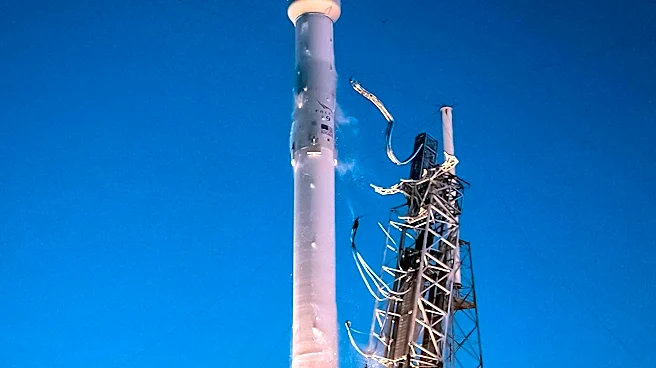
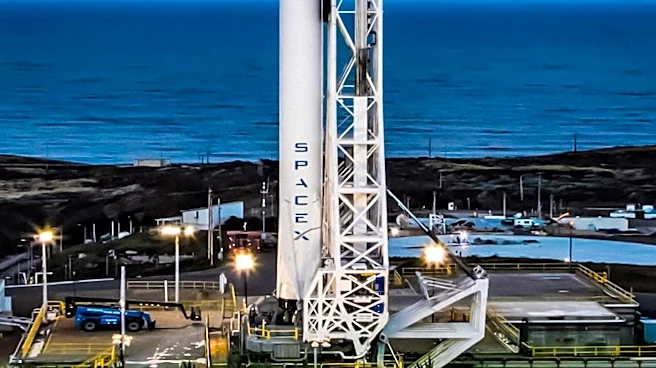
SpaceX is advancing its Starship program with a significant milestone as Ship 40 completed a single-engine static fire at Starbase. This marks a crucial step in the prelaunch testing of the next-generation Version 3 vehicle, which is expected to proceed
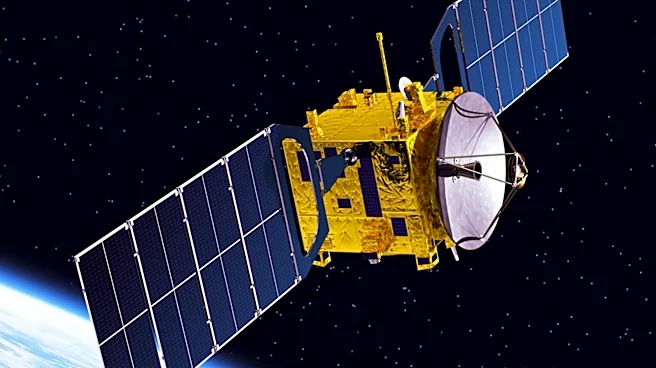
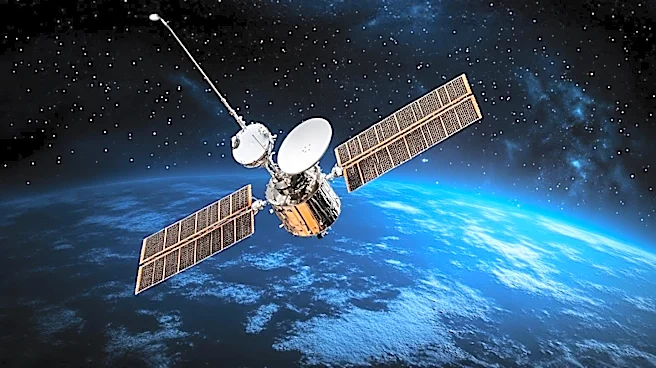
to an orbital flight soon. Concurrently, SpaceX is preparing to launch a Starlink mobile phone service in the United States. This move positions SpaceX to compete directly with established wireless carriers by leveraging its extensive Starlink satellite network, which currently includes 12,366 satellites launched, with 10,705 in orbit and 10,689 operational. The new service aims to provide coverage in areas underserved by traditional cell towers, such as rural and maritime regions.
Why It's Important?
The introduction of a Starlink mobile service in the U.S. could significantly disrupt the telecommunications industry. By offering satellite-based mobile coverage, SpaceX challenges the dominance of major carriers like AT&T, Verizon, and T-Mobile, particularly in remote areas where traditional infrastructure is lacking. This development could lead to increased competition, potentially driving down prices and improving service quality for consumers. Additionally, the success of this venture could pave the way for further innovations in satellite communications, influencing global connectivity standards and expanding access to underserved regions.
What's Next?
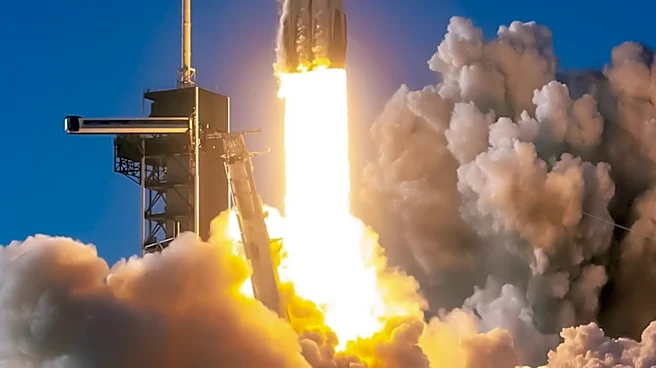
As SpaceX moves forward with its plans, the company will need to secure regulatory approvals and address technical challenges such as device compatibility and latency issues in urban environments. The outcome of these efforts will be closely watched by industry analysts and competitors. If successful, SpaceX's entry into the mobile market could prompt traditional carriers to innovate and adapt their strategies to maintain market share. Furthermore, the continued development of the Starship program suggests a high-cadence flight schedule, which could accelerate the deployment of additional satellites and enhance the capabilities of the Starlink network.