








What's Happening?
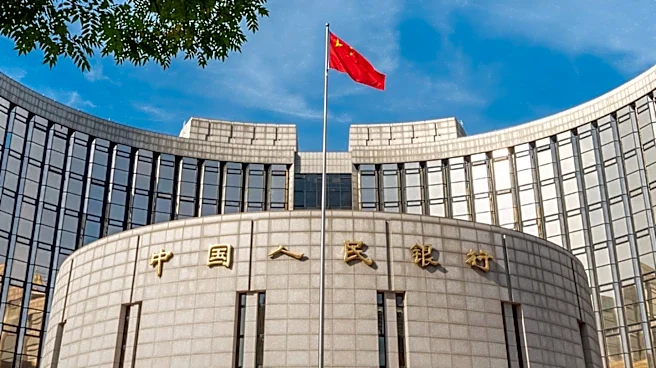
The Cross-border Interbank Payment System (CIPS), approved by the People’s Bank of China, is designed to provide cross-border RMB clearing and settlement services. CIPS allows participants to operate either directly or indirectly through a direct participant to process
transactions. In contrast, traditional bank chains, while familiar, present several challenges. These include potentially fragmented routing, the accumulation of multiple fees, and additional foreign exchange steps and reconciliation work. The process of paying Chinese suppliers in CNY can involve various systems such as SWIFT/BIC, CIPS, and CNAPS, each serving distinct purposes. SWIFT/BIC identifies institutions for international financial messaging, CIPS handles cross-border RMB clearing, and CNAPS is specific to domestic RMB payment routing within mainland China. The correct payment route dictates the specific details required, which can include a SWIFT/BIC, CNAPS code, CIPS participant identifier, or a combination thereof, depending on the sending institution, beneficiary bank, payment corridor, and format.
Why It's Important?
The distinction between CIPS and traditional bank chains is crucial for businesses engaged in international trade, particularly those dealing with Chinese suppliers. The potential for fragmented routing, multiple fees, and complex reconciliation in traditional bank chains can lead to increased operational costs, delays, and administrative burdens for U.S. businesses. The efficiency and clarity offered by CIPS in cross-border RMB clearing and settlement can streamline transactions, reduce processing times, and potentially lower costs associated with international payments. Understanding these payment mechanisms is vital for finance managers, global trade companies, and supply-chain teams to optimize their payment strategies, ensure compliance, and mitigate risks associated with incorrect or incomplete payment instructions. The choice of payment route directly impacts the speed, cost, and reliability of transactions, affecting the financial health and operational efficiency of U.S. companies involved in trade with China.
What's Next?
Businesses making cross-border RMB payments will need to carefully assess their payment routes and ensure they have complete and accurate beneficiary instructions. This includes verifying the correct SWIFT/BIC, CNAPS code, or CIPS participant identifier, as well as the payment purpose. Missing or invalid routing information can lead to payment delays, rejections, or additional charges. Companies should work closely with their payment providers to confirm corridor eligibility, applicable foreign exchange rates, fees, and settlement outcomes before initiating payments. The ongoing evolution of cross-border payment systems like CIPS suggests a trend towards more specialized and efficient clearing mechanisms, which could further reduce reliance on traditional, potentially fragmented correspondent banking networks for specific currency transactions. Businesses should continue to monitor developments in international payment infrastructure to adapt their strategies and leverage the most efficient and cost-effective solutions available.
Beyond the Headlines
The rise of systems like CIPS highlights a broader global trend towards the development of alternative payment infrastructures that can challenge the dominance of established international financial messaging systems. While the source does not explicitly detail fragmentation risks within CIPS itself, it underscores the general challenges of fragmented routing in traditional banking. This shift could have long-term implications for the global financial landscape, potentially leading to increased competition among payment systems and a more diversified approach to international settlements. For U.S. businesses, this means a growing need for expertise in navigating a complex and evolving international payment ecosystem. The strategic adoption of efficient payment rails like CIPS could offer a competitive advantage by reducing transaction costs and improving the speed of cross-border trade, while also necessitating a deeper understanding of the regulatory and operational nuances of each system.