







What's Happening?
Kendall Cresci, a Product Developer for Victoria's Secret, shared insights into her career path and the evolving landscape of the apparel industry. Cresci, a University of Delaware alumnus, highlighted the critical role of product development in taking
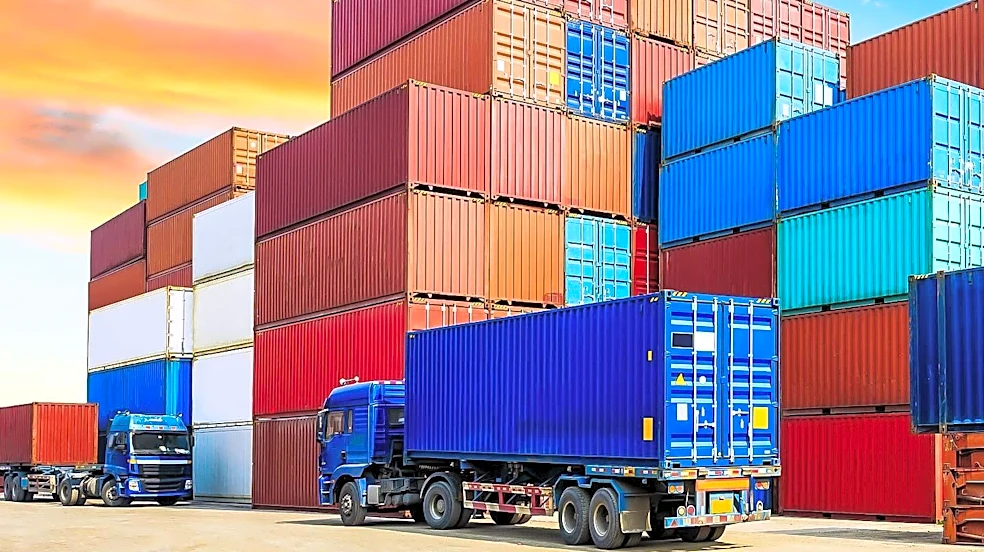
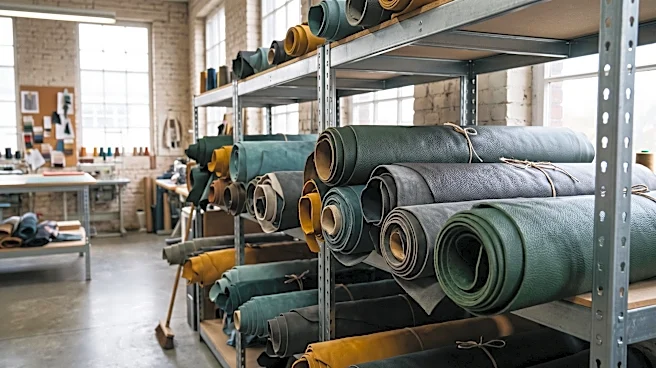
intimate wear and swimwear from concept to production. She emphasized the need for problem-solving skills and adaptability due to constant changes in buy strategies, silhouettes, and fabrics. Cresci also discussed the impact of global regulations and treaties on sourcing decisions, noting how the industry shifted away from China production due to stricter labor laws and higher tariffs. She detailed the importance of clear communication with overseas vendors to resolve issues like excess material liability. Furthermore, Cresci addressed the growing influence of sustainability, material traceability, product safety, and social compliance, citing an instance where Victoria's Secret updated color regulation requirements for trims due to toxic exposures in supplier mills, leading to the sourcing of new materials.
Why It's Important?
Kendall Cresci's insights are highly relevant to the U.S. apparel industry, particularly regarding product development, supply chain management, and sustainability. Her experience at Victoria's Secret, a major U.S. brand, illustrates the complexities of global sourcing and the increasing pressure to comply with stringent regulatory requirements, both domestic and international. The discussion on shifting production away from China due to tariffs and labor laws directly impacts U.S. companies' sourcing strategies and cost structures. The emphasis on sustainability and ethical production, such as addressing toxic exposures in supplier mills, reflects a broader industry trend that U.S. brands must embrace to maintain consumer trust and market competitiveness. Her perspective underscores the need for U.S. apparel professionals to possess strong analytical skills, adaptability, and a deep understanding of global trade dynamics and ethical manufacturing practices.
What's Next?
The apparel industry, as highlighted by Cresci, will continue to face evolving challenges related to global regulations, sustainability, and consumer demands. Companies like Victoria's Secret will likely further integrate compliance and ethical considerations into every stage of product development, from material sourcing to final production. This will necessitate ongoing collaboration with suppliers to ensure adherence to updated standards for material traceability, product safety, and social compliance. The need for adaptability will remain paramount, as market trends and global economic conditions continue to shift. Future product developers will require enhanced technical knowledge and problem-solving skills to navigate these complexities, ensuring that products meet both aesthetic and ethical criteria. The industry will also likely see continued investment in sustainable materials and processes to reduce environmental impact and meet consumer expectations.
Beyond the Headlines
Cresci's narrative reveals deeper implications for the U.S. apparel sector beyond operational adjustments. The shift towards greater transparency and ethical sourcing, driven by both regulatory bodies and consumer awareness, signifies a fundamental change in how fashion brands operate. This includes a re-evaluation of the true cost of production, moving beyond mere price to encompass environmental and social impacts. The anecdote about changing rhinestone suppliers due to toxicity concerns highlights the increasing importance of chemical management and worker safety in the supply chain, pushing brands to invest in more rigorous testing and compliance protocols. This trend could foster greater innovation in sustainable material science and manufacturing processes within the U.S., as companies seek to develop more responsible and traceable supply chains. Ultimately, the industry is moving towards a model where sustainability and ethical practices are not just marketing tools but integral components of brand identity and operational strategy.